



Focus - Renewable energy
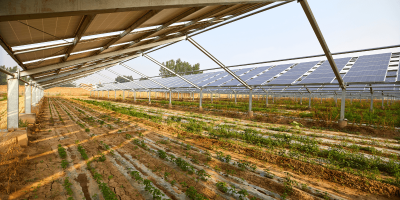
Agrivoltaics is growing in Italy, but its development depends on clear regulations, quality design, and effective integration with agricultural activity.
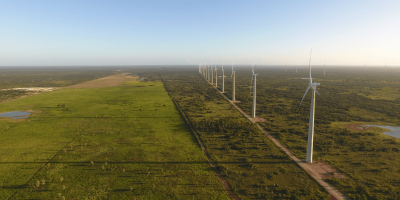
Global wind power is seeing record new installations, strengthening the role of renewables in the energy transition.
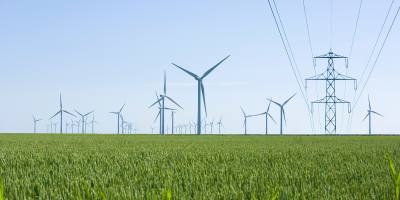
By 2025, renewables will surpass coal in global electricity generation, marking a turning point in the energy transition.
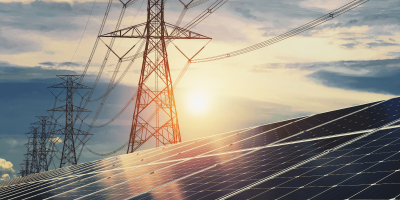
Energy demand is growing, but electricity is driving development, with renewables playing a leading role in the global transformation.
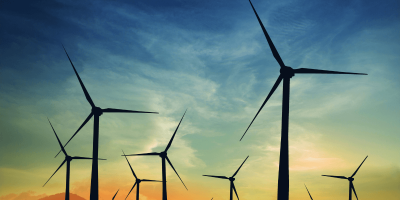
AccelerateEU focuses on wind power and electrification to reduce dependence on fossil fuels and strengthen Europe's energy system.
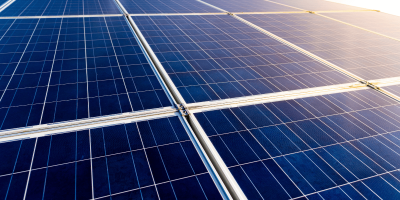
In 2026, photovoltaic growth is expected, but its structure is changing: residential installations are slowing down and large-scale installations are increasing.
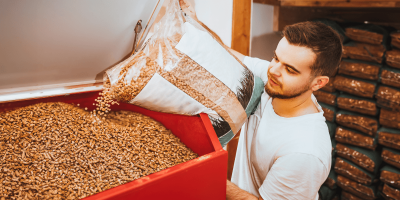
The pellet boiler market is growing, but the installed base remains dated: the Conto Termico 3.0 (Thermal Account 3.0) is driving the sector's renewal.
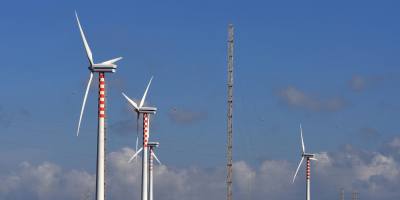
Domestic wind power brings energy production into buildings, contributing to self-consumption and energy decentralization.
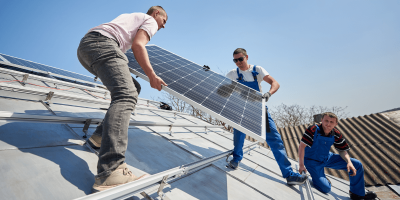
Managing the disposal of photovoltaic panels is a key challenge for making the renewable energy transition sustainable.

Renewables are growing, but Europe's energy security depends on the speed of the transition and the ability to integrate systems.
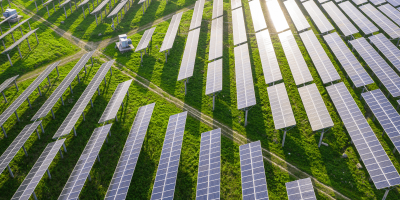
By 2025, renewables are expected to reach 49.5% of global capacity, marking a key step in the energy transition.
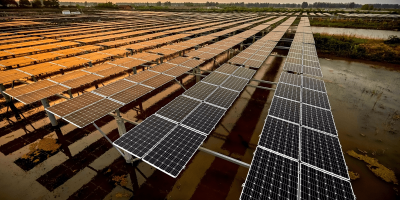
Renewables are growing in Italy, but the energy transition requires infrastructure, storage, and regulatory simplification.
