



Wind energy and electrification: the AccelerateEU strategy to reduce dependence on fossil fuels
AccelerateEU focuses on wind power and electrification to reduce dependence on fossil fuels and strengthen Europe's energy system.
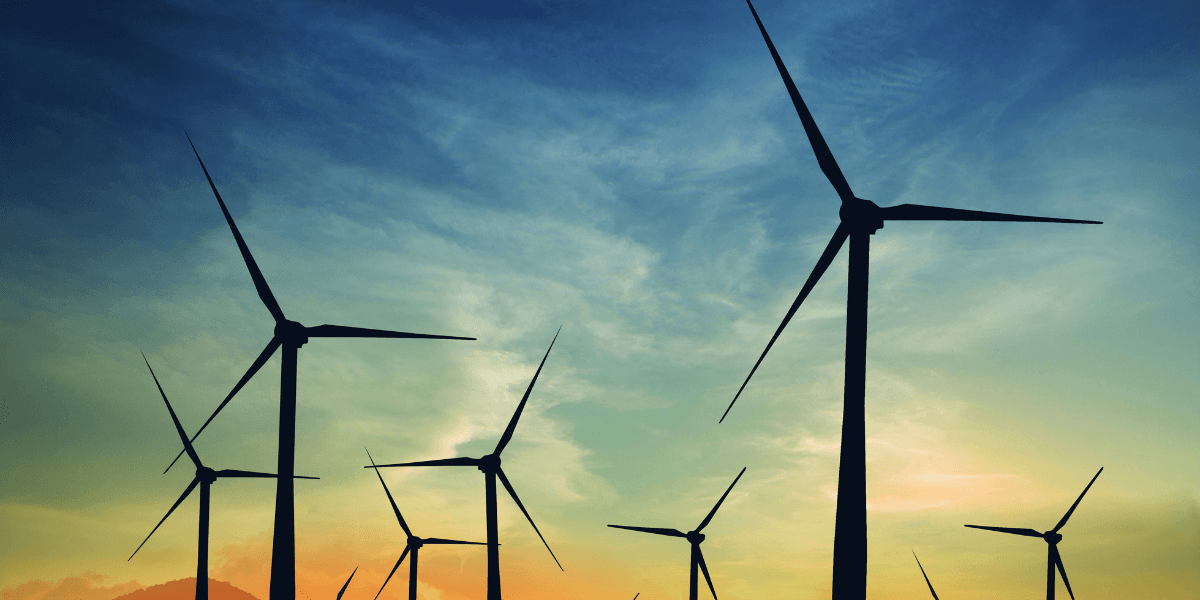
The energy crisis of recent years has highlighted how the European system is still exposed to the volatility of fossil fuels . In this context, the energy transition is no longer just an environmental issue, but a strategic priority to ensure security, price stability, and energy independence.
It is precisely on these foundations that AccelerateEU fits in, the initiative with which the European Union aims to accelerate the development of renewables and the electrification of consumption , with an increasingly central role for wind energy.
AccelerateEU: More wind power to strengthen the energy system
The AccelerateEU plan was born with a clear objective: to rapidly increase domestic energy production to reduce dependence on fossil fuel imports .
In this scenario, wind energy is one of the key technologies. Thanks to its scalability and large-scale energy production, wind power represents one of the pillars on which to build a more resilient and autonomous energy system.
Europe still imports a significant portion of its energy consumption, with costs that have risen significantly in recent years. Accelerating the development of wind power therefore means not only reducing emissions, but also containing costs and improving energy security.
Electrification: the connection between renewables and consumption
Alongside the growth of wind power, AccelerateEU is firmly focused on electrification . Electricity currently covers only a limited portion of total consumption, but it represents the most effective energy source for integrating renewable sources into the system.
The goal is to progressively replace fossil fuels in the main areas of use, encouraging the adoption of electric technologies in the residential, tertiary, and industrial sectors.
In this model, energy produced by wind and photovoltaic systems becomes the starting point for powering a more efficient, stable energy system that is less dependent on external factors.
HVAC and Energy: Designing Renewable Energy Systems
The implications for the HVAC industry are direct. The electrification of consumption and the growing availability of wind energy are transforming the way systems are designed.
Technologies such as heat pumps are playing a key role, enabling the use of electricity from renewable sources for heating and cooling. At the same time, there is a growing need to develop integrated systems in which production, storage, and consumption are coordinated.
For designers and supply chain operators, this means working on increasingly complex, but also more efficient, systems capable of making the most of the energy available from wind and photovoltaic power.
Related Focus

FAQ
The AccelerateEU strategy has a significant impact on energy systems at regional, industrial, and large-scale buildings, where the integration of wind power and electrification becomes a lever to reduce dependence on fossil fuels. In the HVAC/R sector, this translates into a growing adoption of heat pumps, all-electric systems, and integration with variable renewable sources. Design must therefore consider non-programmable energy availability, favoring flexible solutions geared toward self-consumption.
The main challenge is managing the intermittency of wind energy, which requires storage systems and advanced control logic to ensure continuity of HVAC loads. From a systems perspective, it is necessary to coordinate production, storage, and energy demand, avoiding imbalances and inefficiencies. Furthermore, the increase in electricity loads requires reviewing grid infrastructure and adapting existing systems.
Design is moving toward integrated energy systems, where HVAC, renewable generation, and storage work synergistically. The adoption of advanced EMS/BMS is becoming crucial to optimize energy flows and adapt consumption to available production. Furthermore, the use of modular and scalable solutions is being strengthened, capable of evolving over time and supporting the transition to increasingly autonomous, resilient, and decarbonized buildings and systems.
