



Home Wind Power: Bringing Wind Energy Inside Buildings
Domestic wind power brings energy production into buildings, contributing to self-consumption and energy decentralization.
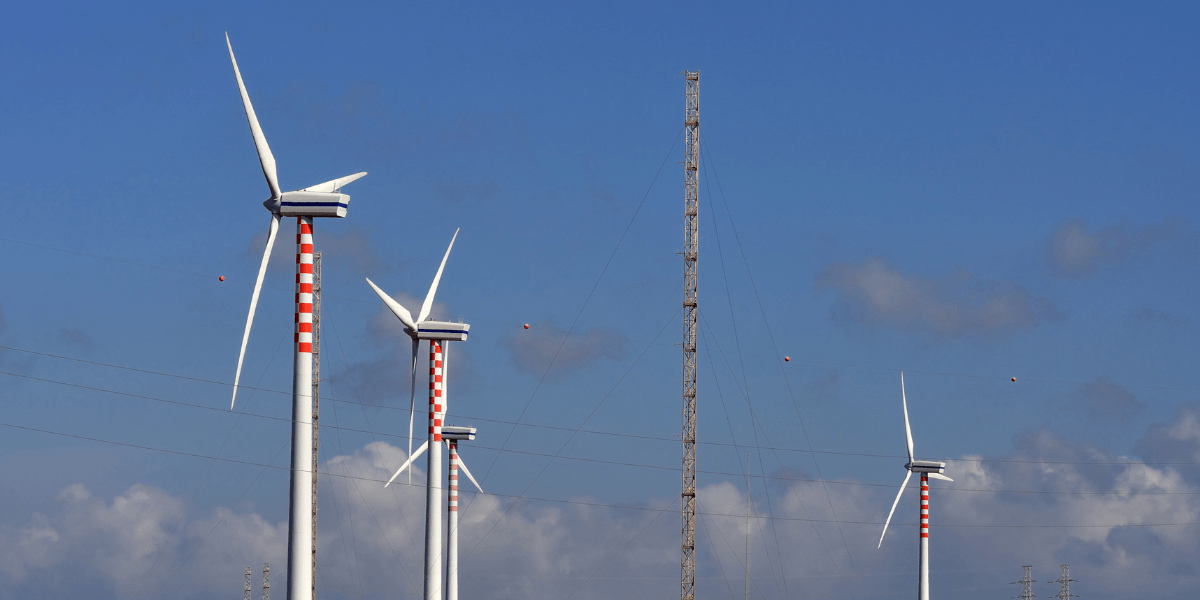
In the renewable energy landscape, wind power is traditionally associated with large-scale installations, but in recent years a more distributed and accessible dimension has emerged: that of domestic wind power . This solution brings energy production directly into buildings, in line with an energy model increasingly oriented towards self-consumption and decentralization .
Energy is no longer generated solely in large power plants, but is now produced locally, bringing it closer to where it's used and helping reduce grid dependence. In this context, small wind farms represent an exciting development, capable of complementing other technologies like photovoltaics to build more flexible and distributed energy systems.
A complementary technology in building energy systems
Small-scale wind farms allow you to harness the power of the wind in residential settings or small buildings , contributing to the production of clean energy directly on-site. Their value lies not so much in their ability to completely replace other sources, but in their ability to integrate with them, creating more balanced energy systems.
In particular, domestic wind energy can contribute to:
- diversify energy production beyond just photovoltaic
- ensure energy even in conditions other than solar radiation
- increase self-consumption if integrated with storage systems
- improve the energy continuity of buildings
If inserted into an intelligent consumption management system, it becomes an active component in the building's energy strategy.
Potential and limitations in an increasingly distributed system
Despite its potential, domestic wind power remains a solution that requires careful evaluation. Its effectiveness depends largely on site conditions, particularly the availability and consistency of wind , factors that can vary significantly from one context to another.
Aspects such as architectural integration, noise management, and system size also influence its applicability. However, in favorable contexts, small wind turbines can represent an interesting element in the construction of increasingly autonomous and sustainable buildings. When integrated into an integrated design, they contribute to strengthening a distributed energy model, in which energy production, consumption, and management are increasingly interconnected.
Related Focus

FAQ
Domestic wind energy is used in residential buildings and small commercial settings, especially in areas with good wind conditions and limited space for photovoltaic systems. In HVAC systems, it can be integrated with heat pumps and storage systems to power the system's electrical loads. Design must consider the complementarity between wind generation and energy needs, promoting self-consumption and reducing grid draws.
The main critical issues concern the variability of the wind resource, the impact of noise and vibration, and architectural integration. From a plant engineering perspective, discontinuous production requires storage and advanced control systems to ensure stable HVAC loads. Furthermore, proper turbine positioning and structural checks are essential to avoid performance losses or safety issues.
The evolution toward quieter microturbines, plug-and-play systems, and EMS/BMS integration makes residential wind energy more manageable for buildings. From a design perspective, it becomes strategic to combine it with photovoltaic and storage to create resilient hybrid systems. For the HVAC/R sector, this means designing systems that can adapt to multiple renewable sources, optimizing consumption based on energy availability and improving the buildings' autonomy.
