



Focus - Renewable energy
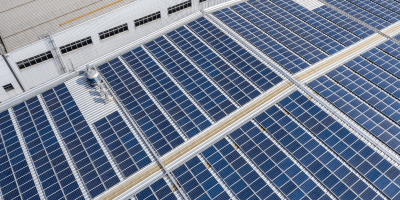
Photovoltaics can be a strategic tool for addressing summer overheating, integrating with efficient cooling technologies to reduce consumption, costs, and impact on the electricity grid.
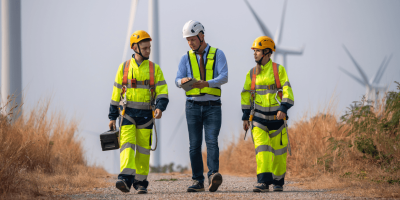
The FER X decree supports the development of wind energy in Italy, including incentives, competitive auctions, authorization issues, and opportunities for decarbonization and resilience of the energy system.
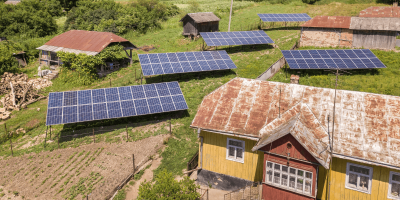
Italian energy communities combine renewable generation, digital tools, and social participation to increase the efficiency, sustainability, and resilience of local communities.
Fifteen EU countries are calling for an end to binding renewable energy targets, sparking a debate on technological neutrality, flexibility, and European decarbonization.
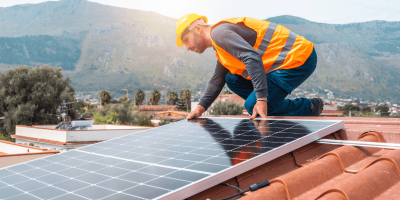
Italy builds its first photovoltaic plant over 200 MW, marking a decisive step in clean energy production and the energy transition.
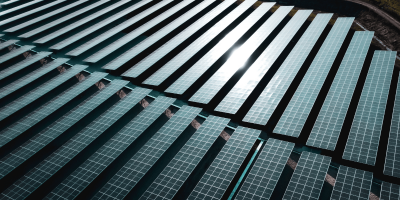
Photovoltaic and battery storage allow you to reduce electricity costs, increase self-consumption and improve energy management.
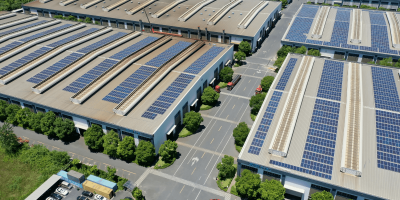
Photovoltaic, storage, and peak shaving help businesses and industries reduce energy costs, increase self-consumption, and better manage loads.
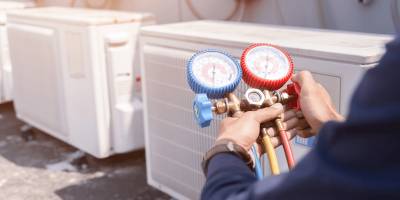
European flexibility can support structural measures for renewables, heat pumps, and the electrification of energy consumption.
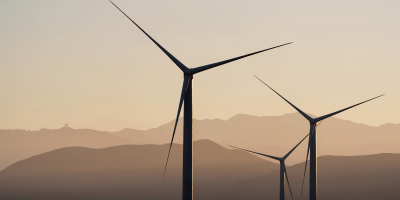
The UN resolution calls on states to triple renewables and double energy efficiency by 2030.
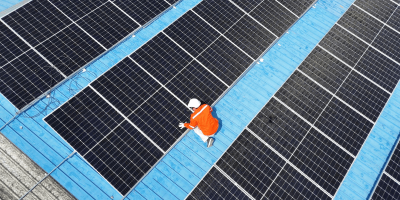
Renewables in buildings can reduce fossil fuel dependence, costs, and emissions, transforming buildings and condominiums into active energy systems.
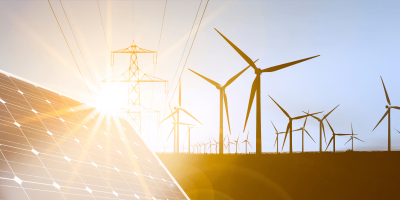
Renewables are becoming a strategic lever to reduce Europe's dependence on gas and oil, contain price volatility, and strengthen energy security.
The Italian Climate Fund is allocating €30 million to Rwanda for renewable energy, electric mobility, and urban resilience.
