



Heat pumps and renewables: EU flexibility can become a lever for the energy transition
European flexibility can support structural measures for renewables, heat pumps, and the electrification of energy consumption.
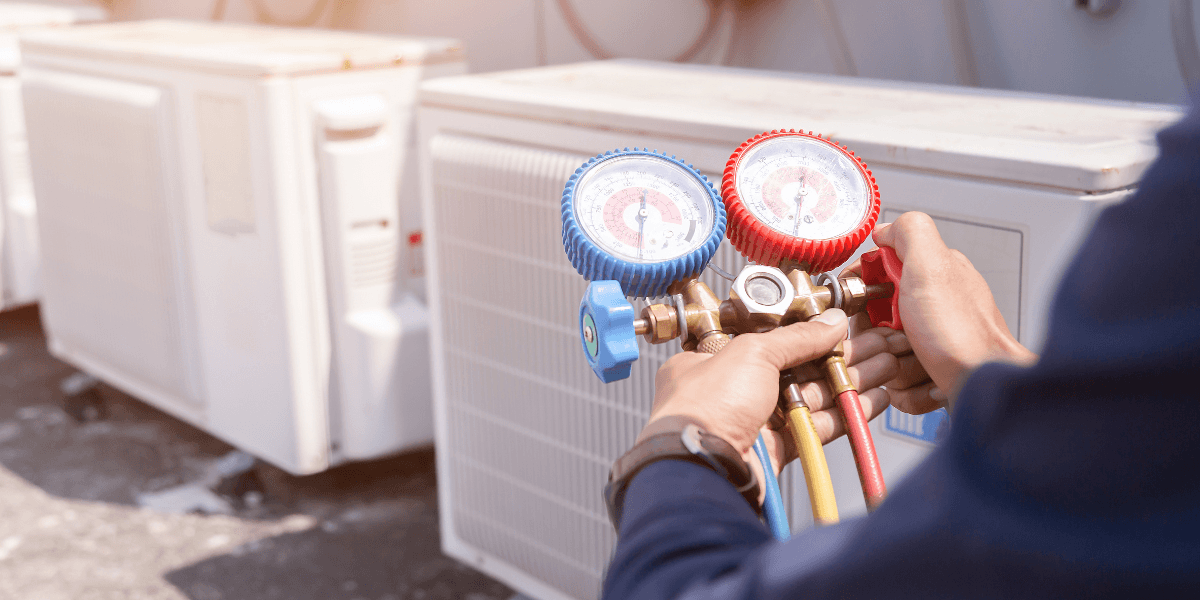
Italy's request to extend the National Safeguard Clause to the energy sector brings the issue of financial flexibility to address the energy crisis back to the center of the European debate . Following discussions initiated on the sidelines of the G7 in Paris, the goal is to evaluate how to allow member states greater scope for action to reduce dependence on fossil fuels and strengthen the resilience of national energy systems .
The issue is not just about managing the emergency, but also about transforming the flexibility granted by the European Union into structural measures. For the HVAC sector and the energy supply chain, this means accelerating investments in already available and strategic technologies, such as electric heat pumps, photovoltaics, storage systems, and solutions for the electrification of thermal consumption.
From the energy crisis to structural investments
The energy crisis of recent years has shown how the Italian system remains exposed to price volatility and dependence on fossil fuels . In this context, the possibility of allocating additional resources to energy interventions could represent a significant opportunity, provided that the measures are geared towards investments capable of generating medium- to long-term benefits.
Priority interventions include support for the purchase of electric vehicles , the installation of photovoltaic panels and electric storage , and the replacement of gas or diesel boilers with electric heat pumps . These solutions act on multiple levels: they reduce the use of fossil fuels, increase energy autonomy, and contribute to the decarbonization of buildings and consumption.
For HVAC professionals, this scenario confirms the central role of system design. The heat pump is not just an alternative to the traditional generator, but a technology that must be integrated into a coherent building-system system, where the building envelope, distribution, regulation, renewable generation, and consumption profiles are all considered together.
Renewables and heat pumps to reduce costs for families and businesses
The European Commission has also approved a €23 billion Italian state aid scheme to support electricity generation from renewable sources , with the aim of contributing to the achievement of 39.4% of gross final electricity consumption from renewables by 2030. This step strengthens the link between clean electricity production and the electrification of end-uses.
To make the transition truly effective, it's not enough to simply increase installed renewable capacity. Energy produced from clean sources must be used efficiently in buildings, businesses, and services, including through technologies capable of gradually replacing thermal energy consumption powered by gas and fossil fuels.
From this perspective, the main operating levers are :
- development of renewable electricity sources;
- diffusion of heat pumps for heating, cooling and DHW;
- integration with storage systems;
- reduction of energy costs for families and businesses;
- greater stability of support policies;
- strengthening the industrial and installation supply chain.
Reducing energy prices remains a key issue. If electricity continues to be penalized compared to gas, the potential of highly efficient electrical technologies risks not being fully realized, especially in the residential market and among SMEs.
A long-term vision for the HVAC supply chain
European flexibility can become a driver for growth only if combined with a stable industrial vision. The heat pump sector already has a solid manufacturing base, rooted in the region and recognized for its technological prowess, innovation, and skilled employment. However, to transform this industrial base into a competitive advantage, consistent and sustained measures are needed.
The energy transition cannot be addressed simply as a response to an emergency. It must become a structural strategy, capable of combining energy autonomy, industrial competitiveness, and emissions reduction. For this reason, the role of the HVAC supply chain will be increasingly central: designers, installers, manufacturers, and maintenance professionals must contribute to making accessible and reliable solutions that directly impact building energy consumption.
This transition is particularly important for existing buildings, where replacing combustion systems with heat pumps, integrating renewables, and optimizing consumption can generate tangible benefits in terms of bills, comfort, and sustainability.
The challenge now is to transform flexibility into planning. If oriented toward efficient, renewable technologies and strategic industrial supply chains, the new measures can help reduce the country's energy dependence and accelerate a truly structural transition.

Related Focus


FAQ
Regulatory flexibility can facilitate the widespread use of heat pumps if it allows Member States to adapt tools, timeframes, and incentives to the actual conditions of their building stock. In many existing buildings, the direct transition to all-electric systems may require changes to the building envelope, terminals, available electrical power, and DHW production. A more flexible approach allows for the transition to be planned without stalling investments.
Heat pumps are most effective when operating with low flow temperatures, well-sized thermal loads, and control systems capable of adapting operation to the availability of renewable energy. Combining them with photovoltaic, electrical, or thermal storage systems allows for increased self-consumption and reduced grid draws during critical times. Actual performance therefore depends on the entire building-system system, not just the installed machine.
Hybrid systems can combine a heat pump with an existing or condensing generator, choosing the most efficient operation based on outside temperature, energy costs, required load, and renewable energy availability. This configuration can be useful in buildings where full electrification requires a longer timeframe or significant construction work. The control logic is crucial: without proper adjustment, the system risks not fully exploiting the heat pump's contribution.
