



Renewables in buildings: the energy transition requires active and integrated buildings
Renewables in buildings can reduce fossil fuel dependence, costs, and emissions, transforming buildings and condominiums into active energy systems.
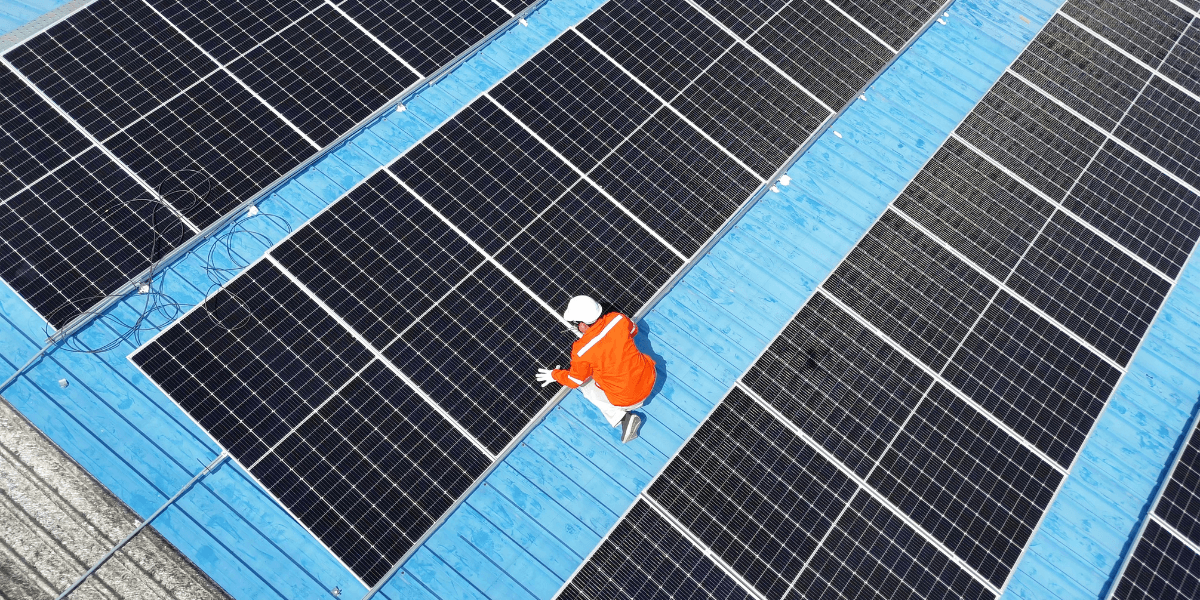
Reducing dependence on fossil fuels increasingly depends on renovating the building stock. Buildings , both residential and industrial, can no longer be considered simply as places of energy consumption, but as systems capable of producing, storing, managing, and sharing energy from renewable sources .
The issue is particularly relevant in Italy: the country imports much of the gas and oil it consumes and still has a heavily gas-independent electricity system. In this context, integrating renewable energy sources into buildings can help reduce costs, emissions, and energy vulnerability , transforming homes, condominiums, public buildings, and production facilities into active hubs of the transition.
Existing and Renewable Buildings: An Integrated Approach
Italy's building stock is vast, dated, and often inefficient. According to the data reported in this study, there are approximately 13 million buildings, over 60% of which are over 30 years old. Renovating this stock therefore represents one of the most important steps to accelerate the energy transition, improve indoor comfort, and reduce primary energy demand.
The direction indicated by European policies is clear: the RED III Directive sets an indicative target for Italy of at least 40.1% renewable energy produced in or near buildings by 2030, including energy from renewable sources sourced from the grid. This target introduces new obligations not only for new construction, but also for buildings undergoing major renovations.
For HVAC professionals, integrated design is key. Installing a photovoltaic system or a single renewable technology isn't enough if the entire building-system system isn't evaluated. The building envelope, air conditioning, domestic hot water production, ventilation, storage, control, and electrical loads must all be considered together to create truly effective and measurable interventions.
Photovoltaic, solar thermal, heat pumps and storage
There are numerous and often complementary solutions available to make buildings more efficient and less dependent on fossil fuels . Photovoltaic remains one of the most widespread technologies, but it can generate greater value when integrated with storage systems, heat pumps, intelligent load management, and, in condominiums or production facilities, electric mobility infrastructure.
Alongside photovoltaics , solar thermal systems can also significantly reduce domestic hot water consumption and, in some cases, support heating. The study highlights how solar thermal systems can cover between 50% and 75% of annual domestic hot water needs, reaching full coverage in the summer season, and between 10% and 30% of annual space heating needs.
In an efficient building, different technologies can work in synergy:
- photovoltaic to produce renewable electricity;
- storage systems to increase self-consumption;
- heat pumps for electrifying heating, cooling and domestic hot water;
- solar thermal to reduce the energy load related to domestic hot water;
- building automation to optimize consumption, comfort and load management;
- charging infrastructure integrated with local production.
This logic is particularly important for condominiums, commercial buildings, and production facilities, where simultaneous consumption, peak management, and system scheduling can significantly impact energy and economic results.
Geothermal, biomass, and intelligent consumption management
The energy transition for buildings doesn't just involve photovoltaics. Geothermal energy, modern biomass, micro-wind power, and digital control systems can also contribute to reducing dependence on fossil fuels, especially when evaluated based on the application context, the building's characteristics, and the availability of local resources.
Low-enthalpy geothermal heat pumps , for example, represent a highly efficient solution for heating and cooling, but require appropriate design, financial, and permitting requirements to scale up. Biomass, when integrated into sustainable local supply chains and combined with modern technologies, can also make a contribution in certain local contexts.
Another increasingly central issue concerns intelligent energy management . In condominiums, in particular, the presence of photovoltaic panels, storage, heat pumps, and electric charging makes it necessary to coordinate loads to avoid critical issues and maximize the value of locally produced energy. The question is no longer simply how much energy to produce, but how much energy the building can manage efficiently, safely, and flexibly.
For the HVAC and energy sectors, this scenario ushers in an increasingly multidisciplinary phase of work. Building retrofits require expertise in systems, building envelope, renewable energy sources, regulation, storage, and digitalization. Only by integrating these dimensions will it be possible to transform buildings from passive consumers to active infrastructures for the energy transition.
Related Focus

FAQ
Because they are no longer just points of consumption, but infrastructures capable of producing, storing, managing, and sharing renewable energy. Photovoltaic, storage, heat pumps, solar thermal, building automation, and electric charging can transform homes, condominiums, public buildings, and production facilities into integrated energy hubs, reducing dependence on fossil fuels, costs, and emissions.
The main challenge is to avoid isolated and uncoordinated interventions. Installing a photovoltaic system or a single renewable technology is insufficient if the building envelope, air conditioning, domestic hot water production, ventilation, storage, regulation, and electrical loads are not considered together. Given Italy's often dated and inefficient building stock, integrated building-system design is crucial for achieving measurable results in terms of comfort, reduced consumption, and lower primary energy consumption.
The transition will involve systems capable of coordinating local generation, self-consumption, and load flexibility. Photovoltaic and storage systems increase the value of on-site energy, heat pumps electrify air conditioning and domestic hot water, solar thermal systems can reduce domestic hot water requirements, and building automation optimizes consumption, comfort, and power peaks. In condominiums, commercial buildings, and industrial facilities, the design question will not only be how much energy to produce, but how much energy the building can manage efficiently, safely, and flexibly.
