



Agrivoltaics in Italy: Growth depends on clear rules and quality design.
Agrivoltaics is growing in Italy, but its development depends on clear regulations, quality design, and effective integration with agricultural activity.
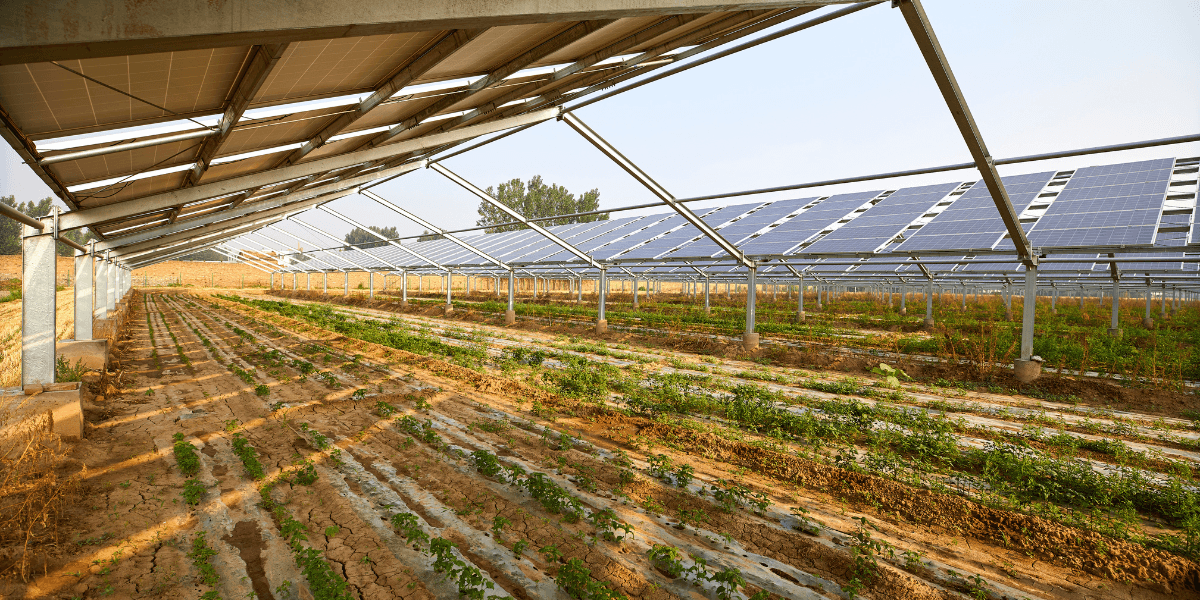
Agrivoltaics is playing an increasingly important role in Italy's energy transition . It is no longer just an experimental solution, but a model that can contribute to the development of renewables, the resilience of agricultural businesses, and more efficient land management. The sector's growth, however, also raises a key issue: distinguishing truly integrated projects from those that use agricultural activity merely as a formal element.
The sector is currently at a crucial stage. Public incentives and national renewable energy targets have accelerated interest in this technology, but the regulatory framework, authorization processes, and design quality remain key factors in avoiding uncontrolled development.
Agrivoltaics is not just photovoltaics installed on agricultural land
One of the most important aspects concerns the very definition of agrivoltaics. A system cannot be considered as such simply because it is located in a rural setting: the continuity of agricultural activity must be planned from the design stage, integrating energy, agronomic, and landscape requirements.
This means carefully evaluating module height, row spacing, structure orientation, irrigation systems, access for agricultural vehicles, and compatibility with existing crops. Raised systems, spaced row configurations, solar tracking systems, or vertical panels can meet different needs, but there is no one-size-fits-all solution.
Performance depends on the interaction between structure, climate, crop, and project objectives. Even shading, often cited as a crop benefit, doesn't automatically produce positive effects: it can reduce water stress and evapotranspiration, but must be calibrated based on the crop species and local conditions.
Rules, authorizations, and technical quality: the issues still open
The potential of agrivoltaics fits into a national context in which renewables must continue to accelerate. According to the data reported in the dossier, as of February 2026, renewables in Italy reached 82.5 GW of power , with photovoltaics being the largest source. However, there are still important targets to be achieved by 2030, and agrivoltaics can make a significant contribution only if developed according to rigorous criteria.
Among the main critical issues emerge:
- authorization procedures still slow and fragmented;
- regional criteria not always homogeneous;
- projects that are not always mature from an agronomic and technical point of view;
- need to verify the real continuity of agricultural activity;
- risk of interventions perceived as improper occupation of agricultural land.
Law 4/2026 introduces a clearer definition of agrivoltaics, linking it to the presence of modules adequately raised from the ground and the continuity of crop and grazing activities. However, several implementation aspects remain open, such as maintaining Gross Saleable Production, technical certifications, the definition of land of high agricultural value, and the thresholds for land suitable for installations.
A new energy and agricultural infrastructure for the area
For the energy and plant engineering sectors, agrivoltaics represents a complex design challenge. Maximizing electricity production isn't enough: it's necessary to build systems that interact with the farm, the landscape, and local communities.
In the most robust projects, the structures can also integrate sensors, monitoring systems, forecasting tools, and solutions for the efficient use of water, fertilizers, and treatments. In this way, agrivoltaics can become not only a source of renewable energy, but also an opportunity to modernize farms, support new investments, and improve the resilience of local communities.
The key issue, therefore, remains quality . If well managed, agrivoltaics can contribute to decarbonization, crop protection, and the enhancement of rural areas. If developed without clear direction, however, it risks fueling local conflicts and slowing acceptance of renewables. The future of the sector will depend not only on authorized GW, but on the ability to build truly integrated, verifiable, and locally compatible systems.
Related Focus
FAQ
Agrivoltaics is particularly strategic in energy-intensive agricultural areas, where it is possible to combine crop production and photovoltaic generation without completely taking up arable land. In the energy and HVAC/R sectors, this model can support farms, greenhouses, and agri-food supply chains by integrating electricity generation, heat pumps, and storage systems. Design must therefore balance agricultural yield, energy efficiency, and territorial integration.
The main challenges concern the definition of clear rules regarding land use, agricultural continuity, and authorization criteria. From a technical standpoint, it is necessary to design systems that ensure proper sun exposure for crops, accessibility for agricultural vehicles, and compatibility with irrigation and land management systems. Furthermore, the lack of consolidated design standards can lead to uncertainties in assessing agricultural and energy performance.
Quality design is crucial to prevent agrivoltaics from becoming a mere occupation of agricultural land. An effective project must integrate module layout, structure height, orientation, and microclimate management according to crops. Furthermore, integration with digital monitoring and energy management systems optimizes both agricultural production and farms' self-consumption of energy.
