



Renewables Beyond Coal: A Historic Leap Forward Changes the Global Energy System
By 2025, renewables will surpass coal in global electricity generation, marking a turning point in the energy transition.
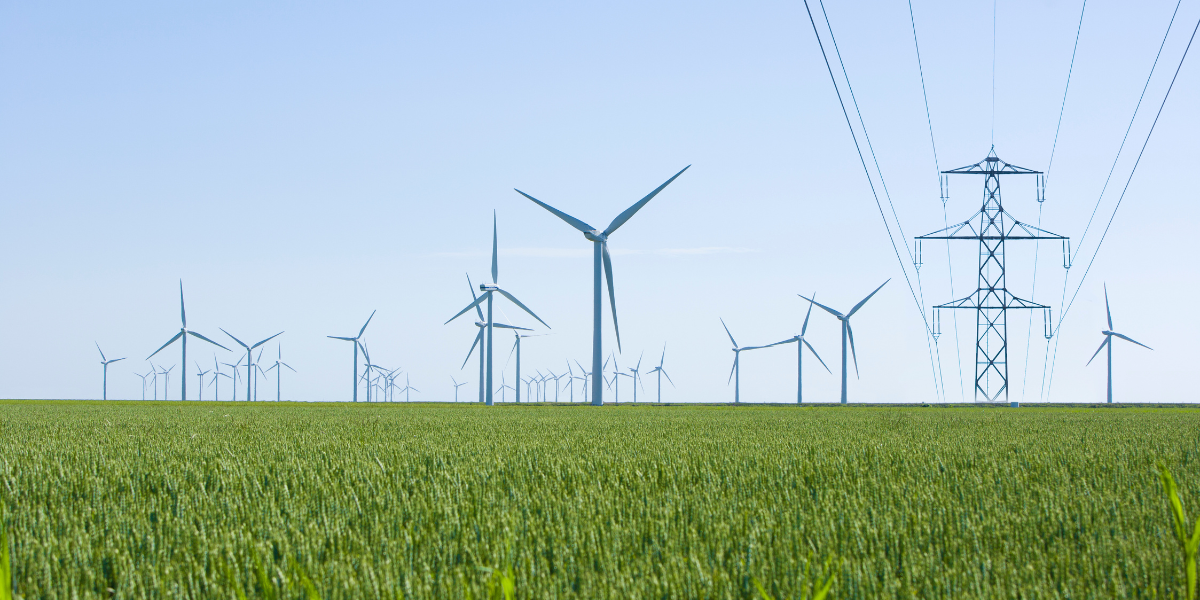
2025 marks a turning point for the global energy system. For the first time, renewable energy has surpassed coal in electricity generation , an achievement that goes beyond symbolic value and confirms a transformation that has been underway for years.
The energy system is undergoing a structural transformation: clean energy sources are no longer a supplement, but are increasingly becoming the central pillar of electricity production, directly influencing industrial choices, energy policies, and plant design.
A historic overtaking that redraws the energy mix
According to the most recent data, in 2025, renewables will reach approximately 10,730 TWh of electricity production , surpassing coal, which stood at approximately 10,476 TWh . The margin is still small, but the significance is significant: for the first time in modern history, clean sources are ahead of the main fossil fuel.
This result is the fruit of steady growth in recent years, which has led renewables to cover a share close to 34% of the global electricity mix . This figure highlights a structural shift: the energy system is progressively reducing its dependence on coal, even though the latter continues to hold a significant weight in many economies.
The crucial role of solar and wind in global growth
Driving this overtaking are photovoltaic and wind power , which continue to record the highest growth rates of all energy technologies. Solar power, in particular, remains one of the most dynamic sources, thanks to its reduced costs and rapid installation.
Low-emission technologies , overall, have covered the entire growth in global electricity demand, demonstrating their ability not only to replace fossil fuels but also to support growing consumption. This marks a key shift: the energy transition is no longer a constraint on development, but a new way for the system to grow.
Impacts on HVAC and the evolution of energy systems
Renewables' overtaking of coal also has direct implications for the HVAC sector. The increased availability of electricity from clean sources is accelerating the adoption of electric solutions, such as heat pumps, which are becoming increasingly central to building climate control.
For designers and operators in the sector, this scenario requires a change in approach: it's no longer enough to optimize a single system; it's essential to develop integrated energy systems where renewable generation, storage, and intelligent management work together. The result is a more efficient, flexible, and long-term energy model.
Related Focus


FAQ
The overtaking of coal by renewables marks a structural shift in the global energy mix, with direct impacts on HVAC/R design. Electricity from renewable sources becomes the primary energy source, encouraging the electrification of consumption through heat pumps and all-electric systems. In this context, designers and system integrators must size systems considering the growing availability of variable energy, integrating local generation and storage systems.
Reducing coal consumption increases reliance on intermittent sources, introducing critical issues related to grid stability, peak management, and operational continuity. From a plant engineering perspective, advanced regulation and energy storage systems must be adopted to balance supply and demand. Furthermore, HVAC design must adapt to more dynamic electrical loads, requiring greater flexibility and responsiveness to energy signals.
Design is evolving toward integrated and intelligent energy systems, where HVAC, renewables, and storage work synergistically. The use of EMS/BMS is becoming crucial to optimize energy flows and improve self-consumption. Furthermore, modular and scalable solutions are emerging, capable of adapting to the evolution of the energy system, ensuring efficiency, resilience, and long-term emissions reduction.
