



Global energy demand: electricity drives growth and renewables accelerate
Energy demand is growing, but electricity is driving development, with renewables playing a leading role in the global transformation.
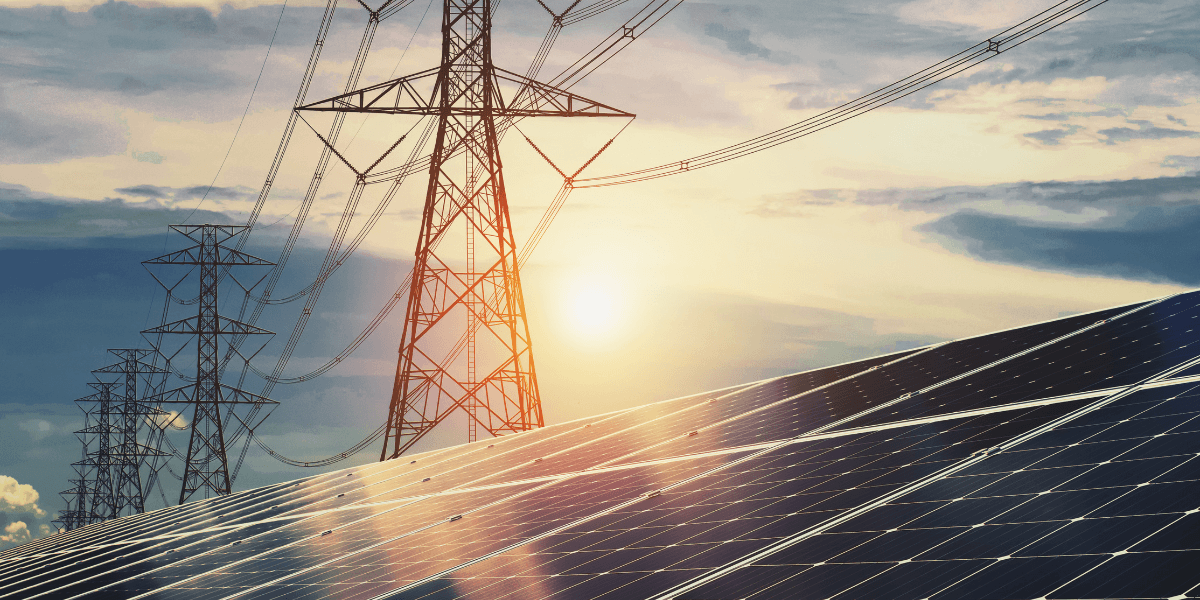
The global energy system is undergoing a profound transformation. Demand growth has not stopped, but it has changed direction: today it is no longer driven primarily by fossil fuels, but rather by an ever-increasing increase in electricity consumption .
This evolution marks the entry into a true “electricity era,” in which electrification and renewable sources become the main drivers of global energy development.
Demand is growing, but the structure of the system is changing
In 2025, global energy demand increased by 1.3% , confirming a more moderate growth trend than in the past, but accompanied by a significant structural change.
The most significant data concerns electricity , which is growing at a much faster rate: around +3% on an annual basis , more than double the overall demand.
This dynamic highlights a key shift: more and more activities, from industry to mobility to air conditioning, are shifting toward electric solutions, redefining the global energy mix.
Renewables are the protagonists of growth
In parallel with the increase in electricity consumption, renewable sources are taking on an increasingly central role.
In 2025, photovoltaics will cover more than 27% of the growth in global energy demand , becoming the main source of growth for the first time.
Overall, low-carbon technologies , which include solar, wind, hydropower and bioenergy, account for about 60% of the total increase in demand.
This data confirms a now consolidated trend: renewables are no longer marginal, but are becoming the main driver of global energy expansion.
HVAC and Energy: Electrification and New Consumption
The growth in electricity demand also has direct implications for the HVAC sector. Among the main factors contributing to the increase in consumption are:
- diffusion of heat pumps
- increased use of air conditioning
- development of data centers and digital infrastructures
All elements that make electricity increasingly central to the management of comfort and energy services.
For designers and industry professionals, this means dealing with a context in which the integration of HVAC systems, renewable generation, and intelligent energy management becomes fundamental.
A system in transition, but still dependent on fossils
Despite the strong growth of renewables, fossil fuels continue to play a significant role in the global energy mix.
Gas, oil, and coal continue to show increases, demonstrating that the energy transition is underway but not yet complete.
The picture that emerges is therefore that of a system in transformation, in which electrification and renewables are advancing rapidly, but still coexist with traditional sources.
Related Focus

FAQ
Growing global energy demand, driven by electricity, is fueling the shift toward fully electrified HVAC systems. In this scenario, heat pumps, electric chillers, and VRF systems become central to design, especially when integrated with renewable sources. For designers and system integrators, sizing systems to accommodate growing electrical loads and the need for coordination with the grid and local energy production becomes crucial.
The increase in electricity demand combined with the spread of renewables introduces critical issues related to grid stability, peak management, and generation intermittency. From a plant engineering perspective, it is necessary to integrate storage systems and advanced control logic to ensure operational continuity for HVAC systems. Furthermore, the increase in loads requires infrastructure checks and adaptation of internal building networks.
Design is evolving toward integrated, data-driven energy systems, where HVAC, renewable generation, and storage work synergistically. The adoption of advanced EMS/BMS is becoming crucial to optimize energy flows and adapt consumption to energy availability. Furthermore, modular and scalable solutions are emerging, capable of managing variable loads and ensuring efficiency, resilience, and long-term sustainability.
