



Global wind power continues to grow: record installations and a new push for energy transition.
Global wind power is seeing record new installations, strengthening the role of renewables in the energy transition.
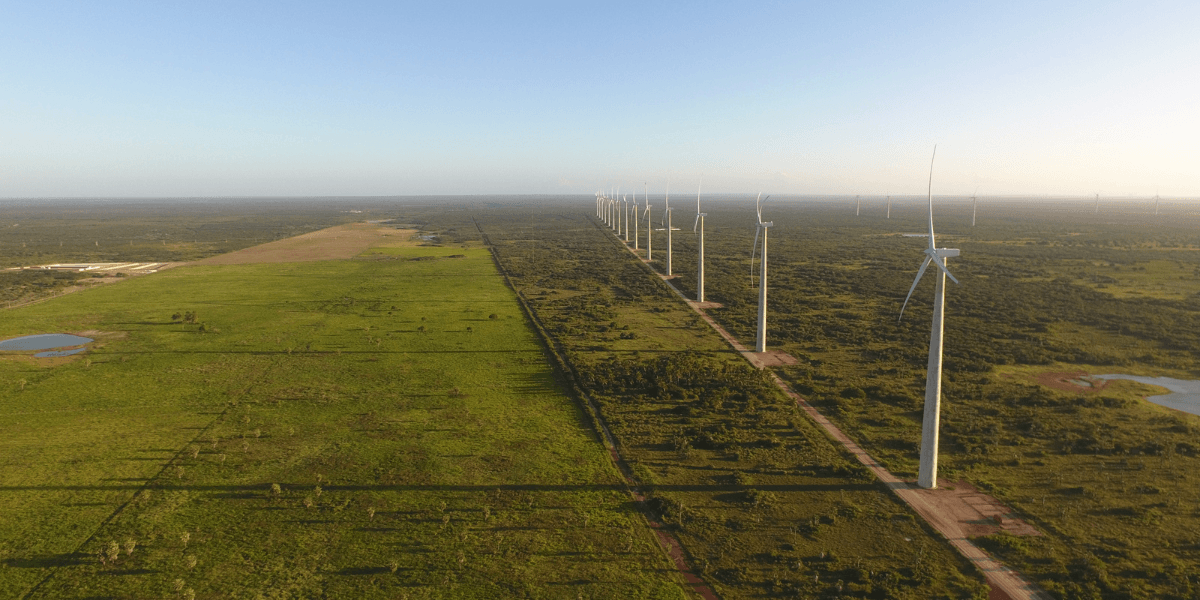
Wind energy continues to strengthen its role in the global energy transition . According to the latest data from the Global Wind Energy Council (GWEC) , the sector recorded a new record in annual installations, confirming the growing importance of wind power in the path to decarbonization and energy security.
The result comes in a context still marked by the consequences of the energy crisis of recent years, which has accelerated interest in renewable sources capable of reducing dependence on fossil fuels and increasing domestic energy production .
Record installations: wind power continues to grow
According to the GWEC report, global new wind installations will reach approximately 117 GW in 2025 , marking significant growth compared to previous years. This is the best result ever recorded by the sector, driven primarily by the expansion of Asian markets and the acceleration of energy policies in various regions of the world.
Growth involves both onshore and offshore wind, with investments increasingly oriented towards large-scale plants capable of supporting the electrification of industry, buildings and transport.
Among the factors that are supporting the sector, the following emerge:
- greater attention to energy security
- development of electricity networks
- growth in electricity demand
- more aggressive decarbonisation policies
- industrial investments in the wind energy sector
Wind power is now considered not only an environmental technology, but a strategic component of global industrial and energy policies.
From the energy crisis to a more electrified system
The European and international energy crisis has highlighted the vulnerability of systems still heavily dependent on imported gas and fossil fuels. In this scenario, wind power has consolidated itself as one of the most mature technologies for rapidly scaling up large-scale renewable energy production .
At the same time, the role of electrification is also growing. The increase in production from renewable sources is closely linked to the spread of electrical technologies such as:
- heat pumps
- electric mobility
- energy storage
- high-efficiency HVAC systems
For the HVAC sector, this means dealing with an energy system increasingly oriented towards the direct use of electricity produced from renewable sources.
HVAC and energy: integration will become increasingly central
The growth of global wind power confirms a transformation that is now evident: energy production, buildings, and facilities are becoming increasingly integrated parts of the same energy ecosystem.
In this scenario, the HVAC sector takes on a strategic role, because technologies such as heat pumps, intelligent management systems, and storage become essential for efficiently using energy produced from renewable sources.
The challenge therefore does not only concern increasing installed wind capacity, but the ability to build more flexible, electrified energy infrastructures integrated with buildings and real consumption.
Related Focus
FAQ
The record growth of global wind power is impacting national electricity systems and large, energy-intensive industrial hubs, where the availability of low-cost renewable energy is increasing. In the HVAC/R sector, this scenario is accelerating the electrification of consumption through heat pumps, all-electric systems, and smart grid integration. Energy planning is therefore shifting toward systems capable of efficiently and dynamically exploiting variable renewable energy.
The increased availability of wind energy helps reduce dependence on fossil fuels and stabilize energy costs in the long term. For buildings and businesses, this means greater cost-effectiveness in adopting electrified HVAC systems and integrating with renewable sources. Furthermore, the combination of wind, storage, and intelligent load management can increase energy autonomy and operational resilience.
In the medium term, the integration of wind power, energy storage, smart grids, and digitalized HVAC systems will grow. EMS/BMS platforms will play an increasingly central role in optimizing energy flows, automatically adapting consumption to available production. For the HVAC/R sector, this means designing increasingly interconnected, data-driven, and energy-flexible systems.
