



Wind energy and renewable energy sources: opportunities, challenges, and prospects for Italy
The FER X decree supports the development of wind energy in Italy, including incentives, competitive auctions, authorization issues, and opportunities for decarbonization and resilience of the energy system.
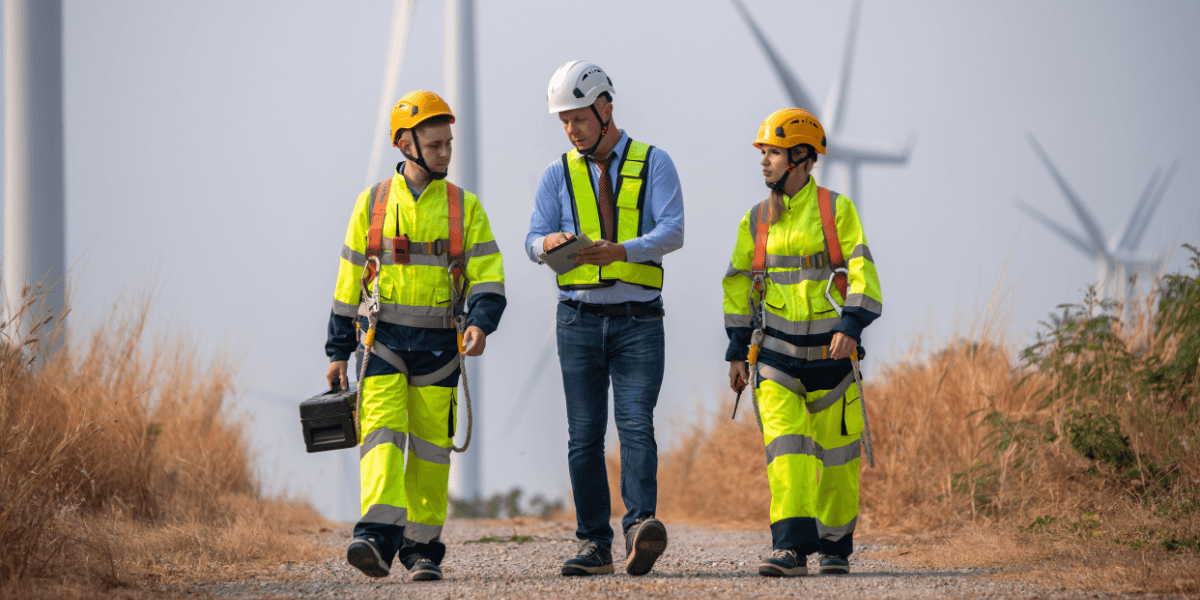
The FER X decree represents a fundamental step for the development of renewable sources in Italy , with particular attention to the wind sector . The measure defines incentivized power quotas, rules for participation in auctions, and priority criteria for projects, confirming the Government's desire to support the growth of the green generation.
Wind power, in fact, occupies a central position in the Italian energy mix, thanks to its ability to supply energy on a large scale and contribute significantly to the decarbonization of the national electricity system . However, the issuance of the decree alone does not guarantee concrete results: the full effectiveness of the FER X depends on the speed with which the GSE defines operational criteria, on the clarity of the authorization procedures, and on the ability to attract private investment within a stable and predictable framework.
Operational challenges and market opportunities
Wind power development according to FER X is part of a complex competitive and regulatory environment. Access to auctions and tenders requires thorough technical and financial preparation, both for the construction of new plants and the modernization of existing ones.
The adoption of wind energy offers concrete benefits :
- Reducing electricity generation costs through competitive auctions and incentive systems;
- Greater energy security , reducing dependence on fossil fuels and imports;
- Technological development related to new generation turbines and advanced monitoring systems;
- Creation of local industrial supply chains and qualified job opportunities in plant maintenance and management;
- Support for the urban and industrial energy transition , with integration into smart grids and storage systems.
At the same time, administrative and authorization obstacles persist that can slow down project implementation: long environmental assessment times, bureaucratic complexity, and the need for coordination between local authorities, regions, and the Ministry of the Environment are critical elements that require targeted interventions to ensure the policy's effectiveness.
2030 goals and long-term perspectives
The National Integrated Energy and Climate Plan ( PNIEC ) assigns wind power a strategic role in the growth of installed capacity by 2030. Estimates predict a significant increase in installed GW, with the aim of supporting the electrification of consumption, reducing CO₂ emissions and ensuring greater resilience of the electricity grid.
In this context, the combination of FER X, incentive policies and technological innovations makes it possible to address the challenges of energy security and environmental sustainability, integrating wind farms with storage systems, smart grids and digital monitoring and control tools.
The success of these initiatives is measured not only in terms of installed MW, but also in the ability to create a sustainable, efficient, and competitive supply chain capable of attracting investment, fostering the spread of new skills, and stimulating the modernization of the Italian electricity sector. In short, wind power supported by FER X is not just a technology for producing clean electricity: it is a strategic pillar for the energy transition, decarbonization, and the resilience of the national system.
Related Focus
FAQ
Wind power offers a stable and scalable renewable energy source that can reduce dependence on fossil fuels and contribute to achieving European decarbonization goals. In Italy, with the availability of high-potential coastal and inland areas, wind power can complement existing grids and foster local economic development, job creation, and increased energy self-sufficiency.
Integration with other renewable sources such as photovoltaic, storage, and heat pumps allows for balancing production and demand, improving grid resilience, and optimizing self-consumption. Intelligent load management systems and smart grids allow for coordinating and maximizing the overall efficiency of the national energy mix.
The sector is impacted by complex permits, bureaucratic procedures, landscape and environmental constraints, and compatibility with existing electricity grids. The need to simplify procedures and guidelines for environmental impact studies is crucial to expedite RES-X projects and ensure sustainable development, minimizing local conflicts and bureaucratic delays.
