



Energy Communities: Renewables, Participation, and Sustainable Transition
Italian energy communities combine renewable generation, digital tools, and social participation to increase the efficiency, sustainability, and resilience of local communities.
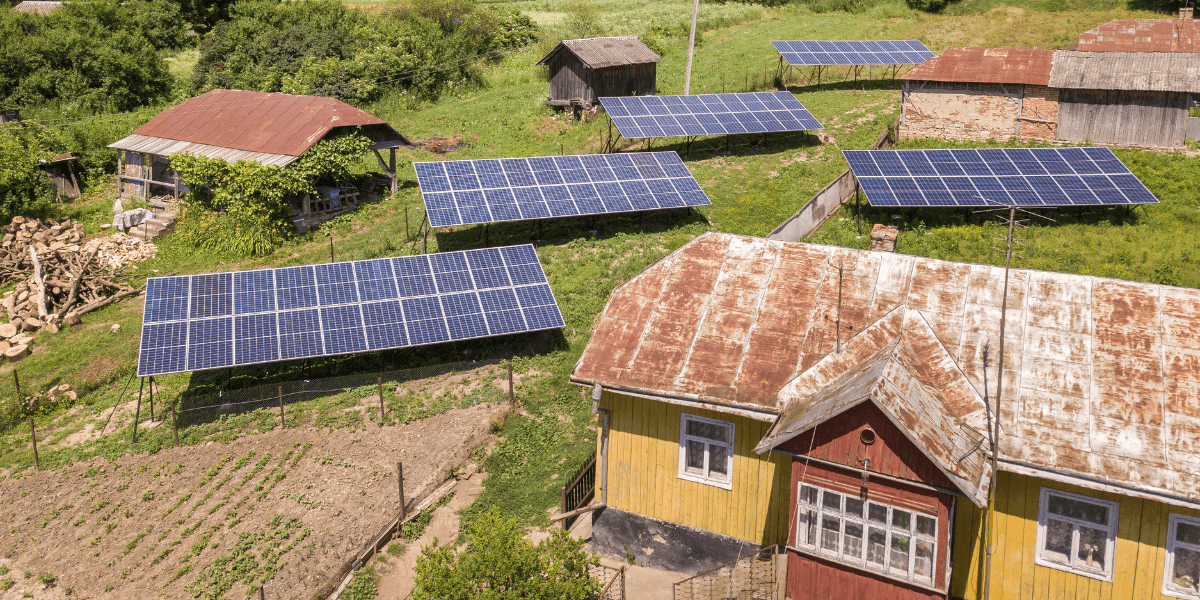
Renewable Energy Communities (CERs) today represent one of the most dynamic pillars of the Italian energy transition. With approximately 600 active initiatives and over 67.7 MW of installed capacity, primarily from small-scale photovoltaic plants, CERs are demonstrating how distributed generation can concretely contribute to decarbonization and local energy self-consumption .
However, their impact goes beyond the purely technical aspect: they create opportunities to reduce energy costs , increase the resilience of local communities , and offer a replicable model for other areas. Despite the encouraging results, the social component —that is, the active participation of citizens, businesses, and local institutions—remains limited in many experiences, highlighting the need to integrate collective benefits with technological innovations in a more structured manner.
Social and technical challenges of energy communities
The CER model focuses on shared renewable generation, but the main challenges aren't just energy-related. Participation, internal governance, and the ability to equitably distribute benefits and responsibilities are key elements in transforming communities into truly inclusive tools.
At the same time, CERs must address challenges related to infrastructure integration , energy flow management, and consumption monitoring, which require advanced digital tools, intelligent management platforms, and integrated storage systems. To achieve lasting impact, it is therefore essential to combine technology, regulation, and social participation, creating a model that is sustainable from both an energy perspective and that of local cohesion.
Tools, incentives and efficiency opportunities
The success of energy communities depends largely on their ability to access targeted support tools and incentives . Certifications, tax breaks, regional tenders, and self-consumption remuneration systems are key levers for stimulating the deployment of new renewable energy sources (CERs) and ensuring their economic sustainability. Furthermore, the digitalization of management systems allows for real-time monitoring of production, consumption, and performance, optimizing the use of energy produced and promoting targeted interventions. Key elements to be leveraged include:
- intelligent management of energy flows ;
- the creation of inclusive and replicable participatory models ;
- the direct involvement of citizens and local businesses ;
- the integration between distributed production and traditional electricity grids ;
- the adoption of storage systems to maximize self-consumption and resilience.
This combination allows for tangible benefits to emerge in both economic and environmental terms, transforming savings calculations into concrete opportunities for communities.
Impacts on the territory and the energy supply chain
Energy communities don't just have local impacts: they represent a strategic model for the entire energy supply chain. HVAC operators, installers, designers, and plant managers can leverage CERs to integrate storage solutions, monitoring systems, and smart systems, improving the efficiency and sustainability of buildings and production activities. For families , CERs offer the opportunity to reduce bills, actively participate in production, and independently manage part of their energy needs. For businesses , they represent an opportunity for technological innovation, new skills, and competitive advantages, consolidating their position in the renewable energy and advanced energy services market.
In short, Italian energy communities are paving the way for a more widespread, sustainable, and participatory energy transition, in which local renewable production combines with digital tools and inclusive governance, creating real value for communities, citizens, and businesses.
Related Focus

FAQ
Energy communities enable citizens, businesses, and public administrations to produce, share, and self-consume energy from local renewable sources, increasing resilience, participation, and sustainability. In Italy and Europe, these initiatives support decarbonization, reduced energy costs, and the integration of renewables into the electricity grid.
Energy communities allow you to reduce grid withdrawals, optimize self-consumption, stabilize electricity costs, and leverage investments in photovoltaic systems, storage, and heat pumps. For businesses and condominiums, this means lower operating costs, greater independence, and the opportunity to actively participate in the energy transition.
Through digital monitoring, load management, and energy accounting systems, community members can monitor consumption, production, and self-consumption. This fosters transparency, engagement, and collective decision-making, improving the efficiency and sustainability of shared systems.
