



Photovoltaic and batteries: how to reduce electricity costs and increase self-consumption
Photovoltaic and battery storage allow you to reduce electricity costs, increase self-consumption and improve energy management.
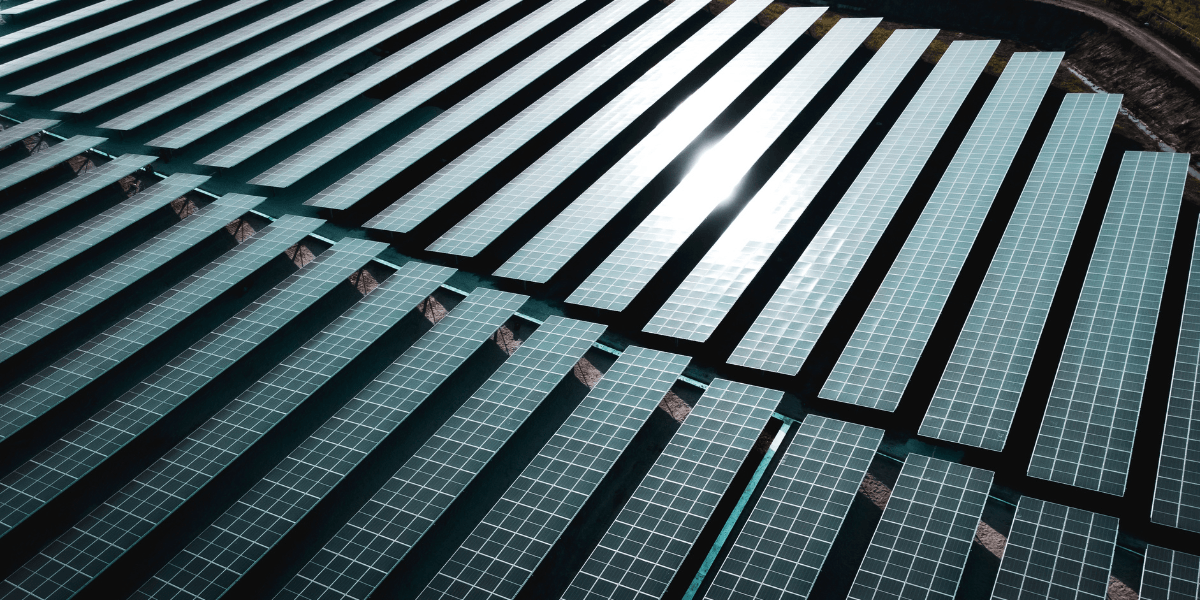
The integration of photovoltaic and battery storage systems is becoming one of the most effective solutions for reducing energy costs and increasing independence from the electricity grid . In a context of still-volatile energy prices and a growing focus on security of supply, the ability to produce and manage energy locally is becoming increasingly crucial for both households and businesses.
According to the analyses reported in the in-depth study, the combination of photovoltaic systems and batteries can significantly reduce electricity costs , especially when supported by intelligent consumption management systems. The goal is not only to produce renewable energy, but to use it when it's most convenient , reducing grid consumption and optimizing self-consumption.
Photovoltaic and storage: the role of self-consumption
The main advantage of integrating photovoltaic and battery systems is the ability to increase the share of self-consumed energy . Without storage systems, a significant portion of the energy produced during daylight hours is fed into the grid, often at a lower cost than the cost of energy drawn at other times of the day.
Batteries, on the other hand, allow you to store excess energy and make it available when needed, such as in the evening or during peak consumption times. This mechanism allows you to:
- reduce withdrawals from the electricity grid ;
- increase the end user's energy autonomy ;
- optimize the consumption profile of the building or company ;
- stabilize energy costs over time;
- to better valorise energy produced from renewable sources .
For the residential sector and SMEs, this approach represents a concrete response to the need to contain energy costs, especially in the face of growing electricity consumption linked to air conditioning, electric mobility, and the digitalization of services.
Intelligent energy storage and management systems
The technological evolution of storage systems has made batteries increasingly efficient, reliable, and integrated with photovoltaic systems. Today, their use is not limited to simple energy storage but extends to the dynamic management of energy flows within buildings.
Through energy management systems ( EMS ) , it is possible to coordinate generation, storage, and consumption based on economic and technical optimization. This allows for the best use of self-generated energy and reduces costs during periods of greatest grid exposure.
Furthermore, batteries can support strategies of:
- peak shaving , reducing peaks in withdrawals from the grid;
- time shifting , moving consumption to the most advantageous times;
- integration with heat pumps and efficient HVAC systems ;
- support for domestic or business electric mobility .
These features make the building's energy system more flexible and resilient, able to adapt to changes in prices and demand.
A strategic lever for the energy transition
The combination of photovoltaics and storage represents one of the most concrete levers of the energy transition, as it directly impacts the structure of consumption. It's not just about producing clean energy, but about changing the way that energy is used.
For the energy system as a whole, the spread of batteries also helps improve the stability of the electricity grid, facilitating the integration of non-schedulable renewable sources and reducing dependence on fossil fuels at peak times.
For families and businesses , however, the main advantage remains economic: smarter energy management can translate into a significant reduction in overall electricity costs, especially in the medium to long term.
In this scenario, photovoltaic with storage is no longer just a technological solution, but a true energy management tool, destined to become increasingly central to the housing and production models of the future.

Related Focus

FAQ
Because they allow for increased self-consumption of on-site energy and reduced grid consumption during peak energy hours. Photovoltaic systems produce energy primarily during the day, while business and home consumption often diverges from peak energy production. Batteries bridge this gap by storing excess energy and making it available when needed, improving energy cost stability.
Storage becomes more effective when there is a significant discrepancy between production and consumption, when peak demand occurs in the evening or at night, or when electricity rates vary by time of day. Its effectiveness depends on technical and management factors: load curve, PV system sizing, installed battery capacity, charge/discharge cycles, and integration with energy management systems (EMS).
It's necessary to analyze electricity consumption profiles, available grid power, usable surface area for modules, shading, the system's electrical configuration, and compatibility with inverters and storage systems. Batteries also require assessments of safety, thermal management, number of cycles, depth of discharge, peak power, and integration with any priority loads or critical systems.
