



Italy: first photovoltaic plant over 200 MW
Italy builds its first photovoltaic plant over 200 MW, marking a decisive step in clean energy production and the energy transition.
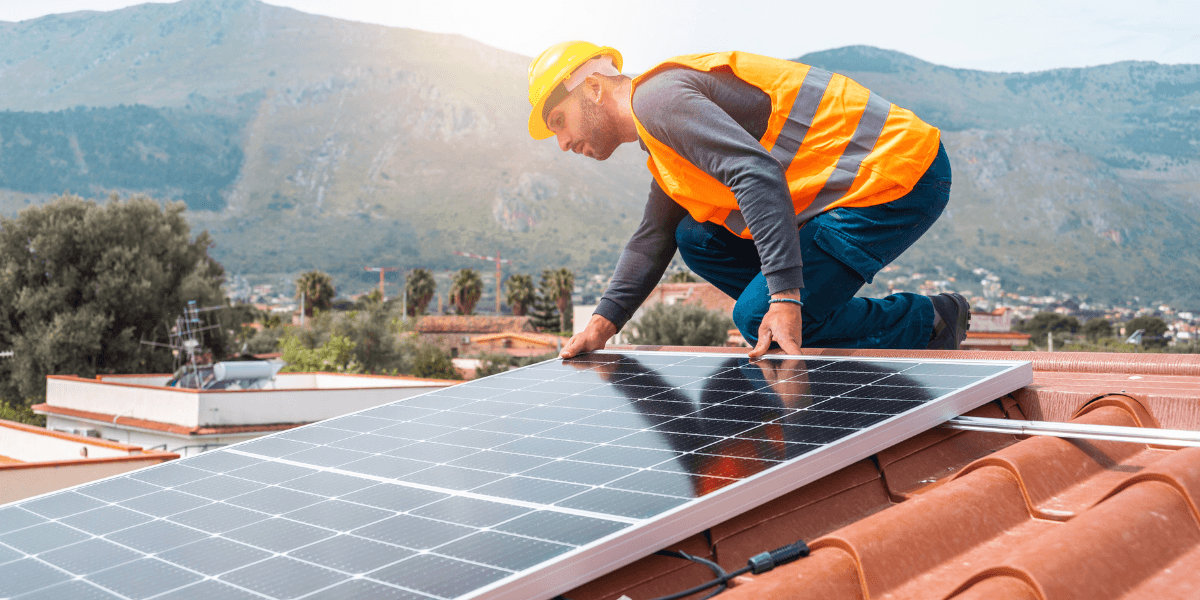
Italy marks a historic step in the production of energy from renewable sources with the construction of the first photovoltaic plant with a power greater than 200 MW .
This project not only significantly increases the national electricity capacity , but also represents the growing maturity of the Italian photovoltaic market, capable of developing industrial-scale plants capable of meeting the energy needs of entire production districts. The initiative demonstrates how the country is decisively focusing on sustainable investments , combining technological innovation, efficiency, and CO₂ emissions reduction, aligning with European decarbonization goals.
Plants of this size aren't just major energy producers: they also serve as technology hubs, capable of testing advanced monitoring systems, intelligent production control, and integration with the national electricity grid. This optimizes the balance between generation and demand, promotes industrial self-consumption, and supports advanced energy management strategies.
Technology, efficiency and sustainability
Building a photovoltaic system larger than 200 MW requires the use of high-efficiency modules, latest-generation inverters, and intelligent energy management systems , such as electrochemical or thermal storage. These technologies maximize electricity production during peak hours, reduce grid losses, and stabilize power supply.
The benefits for the energy system are many:
- significant increase in renewable energy production , helping to reduce dependence on fossil fuels;
- support for the decarbonisation of the electricity sector , in line with European strategies for 2030;
- improved network stability , thanks to the integration of control and storage systems;
- development opportunities for local industry , with new professional figures and specialized employment in the photovoltaic supply chain;
- testing of innovative technologies , which can be replicated in other large plants or adapted for microgrids and energy communities.
Benefits for families and businesses
In addition to the impacts on production and the grid, plants of this scale also bring tangible benefits to families and businesses. The increased share of available clean energy reduces electricity price volatility, making the electrification of industrial and domestic processes more cost-effective. Furthermore, it encourages the adoption of photovoltaic self-consumption systems, integrated with batteries or other storage solutions, increasing energy resilience and the economic sustainability of consumption.
The example of the first 200 MW plant demonstrates how Italian photovoltaics can develop integrated solutions for large and small users, also enabling the creation of collective projects such as energy communities, where businesses and citizens share locally produced renewable energy.
Towards a sustainable future
This achievement marks a key stage in the national energy transition . The integration of large-scale photovoltaic plants with digitalized and intelligent systems demonstrates how technology, governance, and innovation can converge to build a more efficient, secure, and sustainable energy system.
For the HVAC industry and energy operators, the experience of a plant of this scale represents a model to follow, stimulating new investments and projects that combine large-scale production, sustainability, and intelligent consumption management.
Related Focus

FAQ
They enable economies of scale in inverters, facilities, maintenance, and monitoring, as well as optimizing grid connection and integrating storage systems to manage generation and demand. Large-scale installation reduces the cost per kWh produced and facilitates the planning of smart grid interventions and peak power management.
It is necessary to analyze module orientation and inclination, shading, electrical layout, network infrastructure, environmental impact, monitoring, safety, and maintenance systems. The design must ensure efficiency, production continuity, grid integration, and the possibility of future expansion or technological retrofitting.
The energy produced can power residential buildings, industries, and local electricity grids, reducing dependence on gas and oil. It can also support the electrification of consumer goods, such as heat pumps, industrial refrigeration, and storage systems, increasing resilience and predictability of energy costs.
