



Photovoltaic energy to combat summer heat: potential, solutions, and impacts on cooling management
Photovoltaics can be a strategic tool for addressing summer overheating, integrating with efficient cooling technologies to reduce consumption, costs, and impact on the electricity grid.
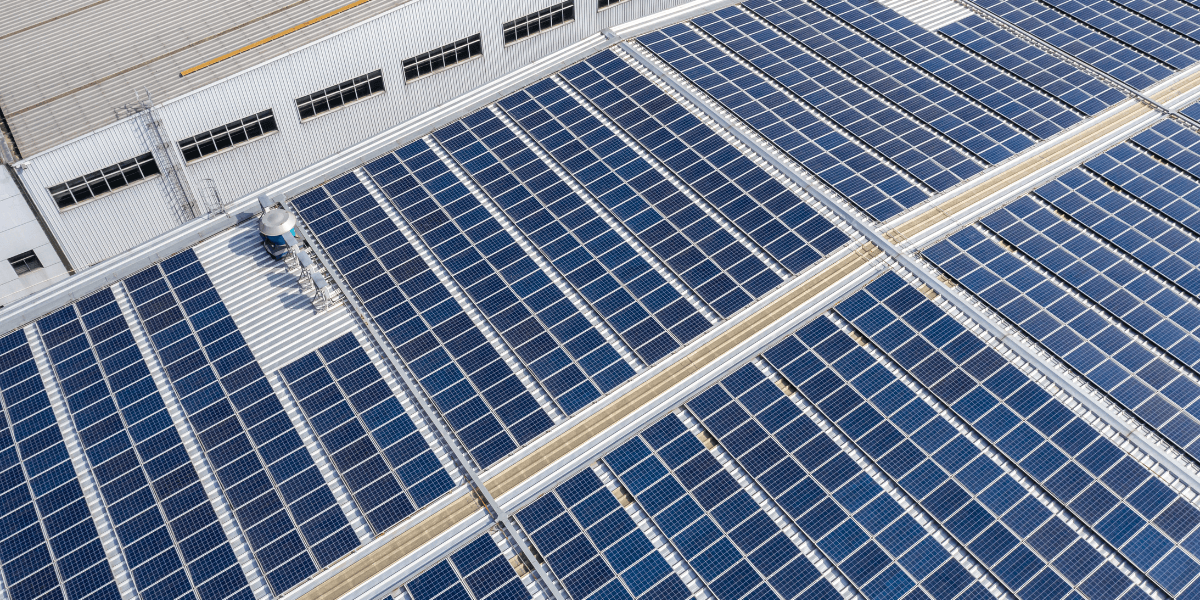
Rising average temperatures and the growing frequency of heat waves are making the management of summer thermal comfort in residential, commercial and industrial buildings increasingly central.
In this context, photovoltaics is no longer just a tool for producing clean electricity, but takes on a strategic role in reducing energy demand for cooling .
Solar energy production coincides with peak usage hours for air conditioning and cooling systems, creating a natural synergy that can be exploited to power air conditioners, heat pumps, and mechanical ventilation. Integrating photovoltaic systems with advanced HVAC systems thus reduces dependence on the electricity grid and alleviates peak demand during the hottest hours, with tangible economic and environmental benefits.
Technologies and integration strategies
Simply connecting a photovoltaic system doesn't exhaust all its potential: to maximize photovoltaic cooling capacity, it's necessary to adopt integrated technological solutions . These include energy storage systems , which allow solar production to be exploited even in the evening or at night, and intelligent load management systems , capable of modulating the use of cooling systems based on the availability of generated energy.
In new or renovated buildings, combining them with high-efficiency heat pumps allows for significantly improved energy performance compared to traditional systems. Furthermore, adopting technologies such as controlled mechanical ventilation with energy recovery and dynamic shading systems helps reduce internal temperatures even before the air conditioning kicks in, further reducing the load on the systems.
Benefits for comfort, network and sustainability
The combined use of photovoltaic and advanced cooling technologies brings benefits that go far beyond simple savings on your bill.
In terms of indoor comfort , building occupants experience cooler and more stable environments, without temperature spikes or sudden changes and with less reliance on traditional air conditioning systems. From the perspective of the electricity grid , distributed generation reduces peak loads during peak hours, contributing to greater system resilience, especially in urban centers where energy demand for cooling can stress transmission capacity. Finally, in terms of sustainability , this combination supports the decarbonization of summer consumption, reducing dependence on fossil fuels and promoting more efficient and clean energy use.
Development prospects and enabling conditions
To fully exploit the potential of photovoltaics for summer cooling, a regulatory and incentive framework is needed that supports the integration of solar systems, storage systems, and efficient HVAC technologies.
Tools such as self-consumption incentives, energy storage bonuses, and the adoption of sustainability-oriented construction standards can accelerate the large-scale adoption of these solutions.
Furthermore, the development of monitoring and control systems based on IoT and predictive algorithms can improve building energy management by simultaneously optimizing photovoltaic production and cooling demand. Looking ahead, these joint strategies represent a key lever for making buildings more resilient, sustainable, and efficient, significantly contributing to the urban energy transition.
Related Focus


FAQ
During the summer months, cooling demand in buildings increases dramatically, causing peaks in grid consumption and higher energy costs. Installing photovoltaic systems allows air conditioning systems to be powered directly, reducing grid dependence, stabilizing costs, and supporting the energy resilience of buildings.
It allows you to increase self-consumption, reduce power peaks, improve seasonal efficiency, and contain operating costs. The combination with heat pumps, chillers, and intelligent control systems maximizes available solar energy during peak demand hours.
It's necessary to correctly size the photovoltaic system, evaluate any electrical storage systems, and implement modulating controls and load management algorithms via a BMS or EMS. The goal is to synchronize production and consumption, reducing grid draw and increasing overall efficiency.
