



Focus - Renewable energy
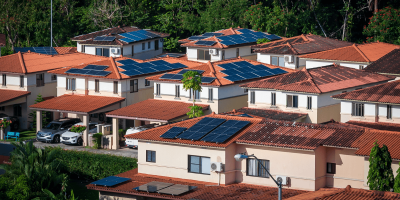
Energy communities in Europe are growing slowly: amid high potential and regulatory and operational challenges yet to be overcome.
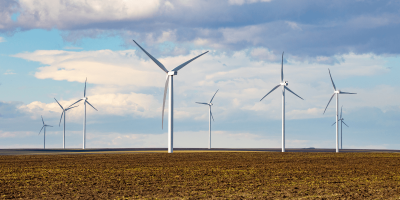
In 2026, renewables will grow in the Italian energy mix, with wind power playing a leading role in the system's transformation.
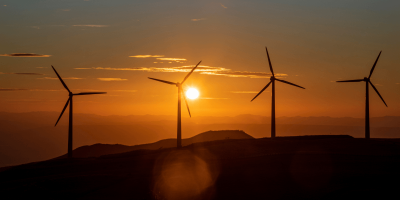
Offshore wind energy in Italy offers great potential but requires a balance between energy development, authorization procedures, and territorial sustainability.
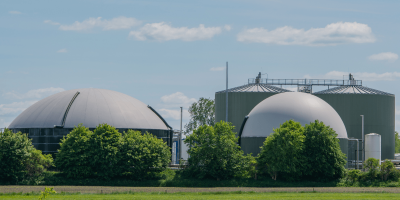
Biomethane can contribute to Italy's energy transition by valorizing agricultural waste and strengthening the production of renewable gas.
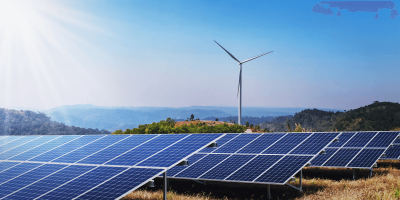
In Italy, nearly seven out of ten renewable energy projects are held up by complex authorization procedures, impacting the development of the energy transition.
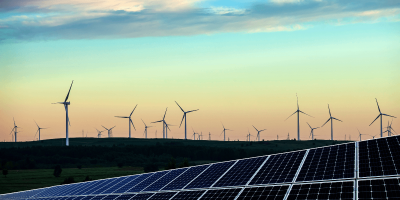
Community engagement and participation in energy projects are increasingly central elements in the development of utility-scale renewables.

Geothermal systems combine high energy performance and tax incentives, offering savings on consumption and greater long-term sustainability.
In 2025, the costs of renewables and storage will follow different trajectories: photovoltaic and wind energy will increase, while batteries will become increasingly competitive.
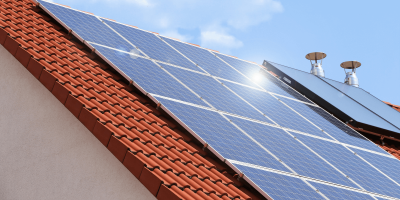
Photovoltaics is evolving towards integrated models: fewer incentives, more self-consumption, and growth in the commercial and industrial sectors.
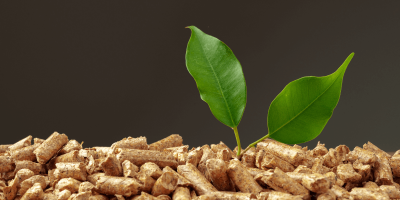
Interest in biomass heating is growing in Italy: a significant portion of families are considering or already using wood and pellet technologies, which are considered sustainable and cost-effective.
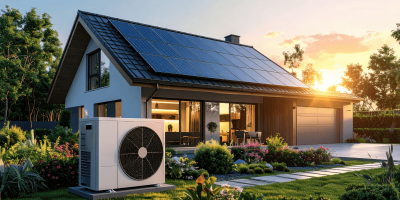
The integration of heat pumps and photovoltaics increases self-consumption, efficiency, and sustainability in HVAC systems.
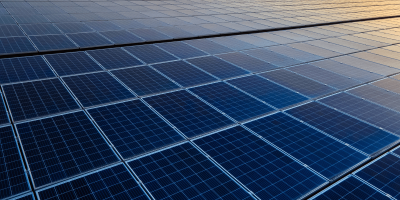
Photovoltaic continues to grow globally, but in Italy uncertainties remain related to permits, connections, and regulatory barriers.
