



Focus - Renewable energy
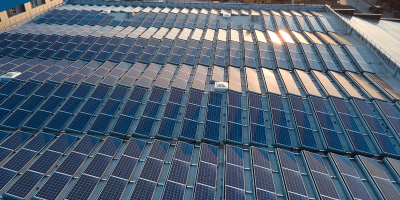
Incentives for renewables in buildings tied to minimum system requirements: how to integrate clean technologies and optimize HVAC systems.
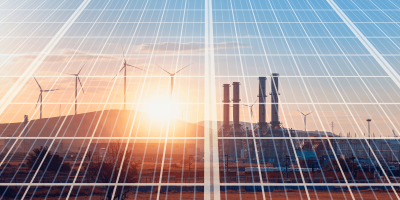
Renewables are growing in the energy mix, but system integration and efficiency remain crucial to the transition.
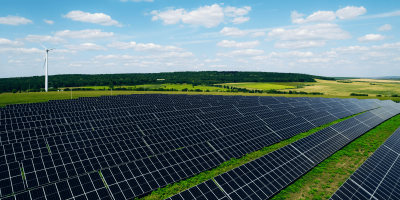
Dependence on critical raw materials makes renewable energy supply chains in the EU vulnerable: risks, impacts, and strategies for resilience.
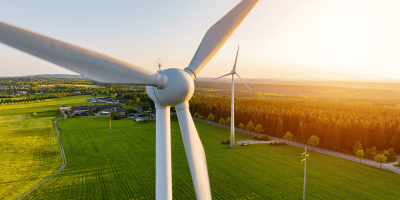
Wind and solar power are overtaking fossil fuels in Europe's electricity mix, marking a structural turning point for the energy transition.
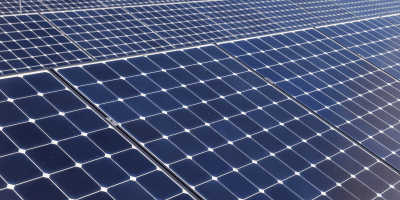
Photovoltaic is growing in Italy, but consolidating the energy transition requires system integration, regulatory simplification, and strategic vision.
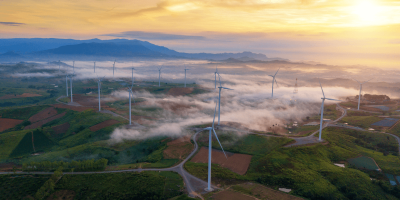
National legislation has been passed to identify areas suitable for renewables, but the industry is raising concerns about the criteria and their impact on authorization procedures.
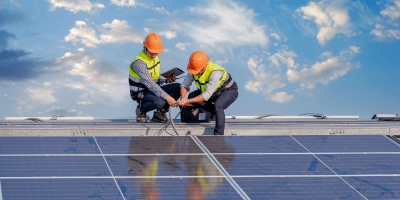
European photovoltaic has reached its 2025 target, but the slowdown in new installations is putting pressure on the path towards the 2030 objectives.
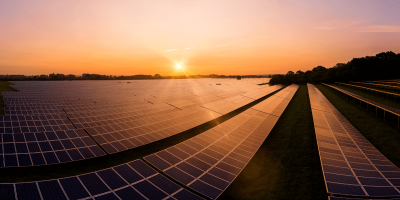
Land use and the development of renewables require a national law capable of reconciling land protection and decarbonization objectives.

By 2024, over 90% of new renewable installations were more competitive than fossil fuels. This shift is driving electrification and efficiency in the HVAC industry.

The 2023 AIEL Report shows an improvement in the quality of biomass plants, but 80% of the fleet is still obsolete and responsible for the majority of emissions.
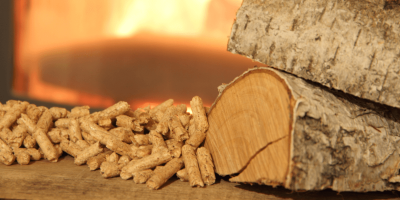
Bioenergy Day 2025 confirms the role of bioenergy in national heating: 35 days of covered consumption and increasingly structured local supply chains.
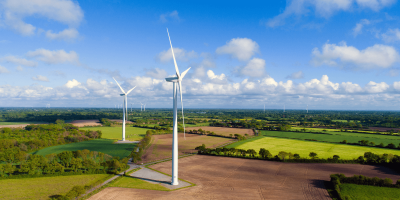
The growth of solar and wind power meets all of the new global electricity demand. This is also a strong signal for Europe, which is accelerating its move toward a cleaner mix.
