



Focus - Renewable energy
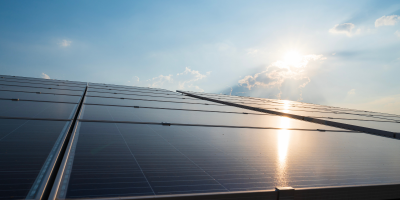
Ten years after COP21, photovoltaics is leading a global transformation of record growth, new markets, and an increasingly strategic role in energy policies.

The 2023 Statistical Report updates the picture of the biomass sector: a vast plant portfolio, transitioning towards more modern and efficient solutions.
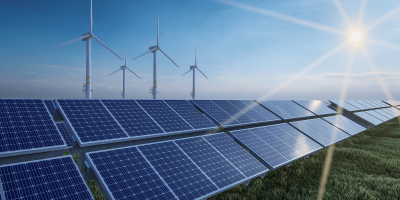
WEO 2025 highlights growth in electricity and renewables, along with new vulnerabilities in energy networks and systems, with direct implications for the energy supply chain.
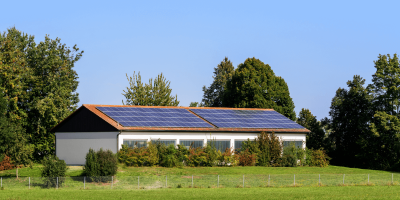
Agrivoltaics combines photovoltaic production and agricultural activity, enhancing the soil and strengthening the role of renewable energy in Italy's energy transition.
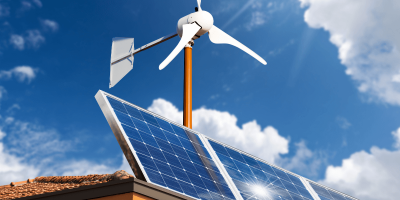
Small wind power is entering the industrial and agricultural sectors as a stable, efficient renewable source that can be integrated with other technologies for energy autonomy.
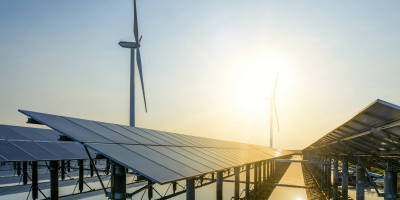
In the first half of 2025, renewables will overtake coal in global electricity generation, marking a structural shift in the energy transition.
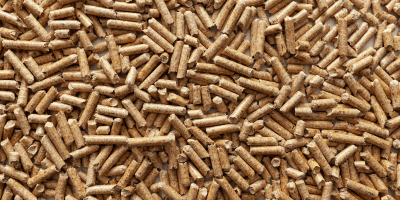
Pellets, wood, and wood chips remain among the most convenient and sustainable heating sources: stable prices, significant savings, and increasingly efficient local supply chains.
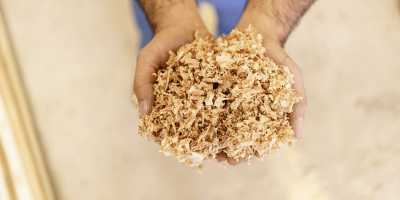
Over 21% of Italian families use wood or pellets for heating. Woody biomass remains a strategic resource for sustainability and energy independence.
In the first half of 2025, renewables surpassed coal in global electricity generation thanks to the photovoltaic boom: a historic moment that marks the energy transition.
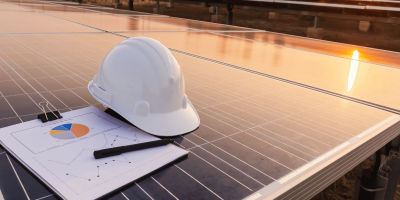
Energy communities with photovoltaic systems are redesigning the energy system: shared production, storage, and local autonomy for a more sustainable transition.
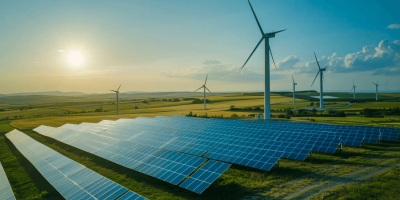
Nuclear power is slowing down, while solar and wind power are accelerating. Costs, timescales, and regulations make renewables the true driving force of the energy transition.
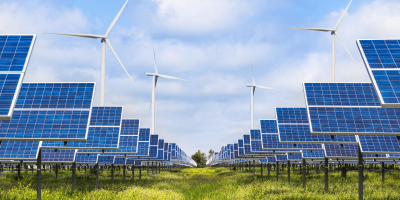
Sardinia risks wasting its renewable energy potential: moratoriums, opposition, and restrictive regulations are holding back an island that could be 100% self-sustaining with solar and wind.
