WEO 2025: Electricity and Renewables at the Heart of the New Energy Transition
WEO 2025 highlights growth in electricity and renewables, along with new vulnerabilities in energy networks and systems, with direct implications for the energy supply chain.
The World Energy Outlook 2025shows a global energy system undergoing profound changes.
Electrification is advancingrapidly and becoming the new backbone of consumption, while vulnerabilities are emerging that involve not only oil and gas, but also critical minerals, electricity grids, digital technologies, and control systems.
This combination of expansion and strengthening characterizes the new phase of the transition, in which electricityand renewableswill assume a central role. For the plant engineering sector, this means operating in a more interdependent context, where design, management, and maintenance must take into account an ever-changing energy ecosystem.
Growing electricity and new demand dynamics
One of the most significant signals highlighted by WEO 2025 is the growth in electricity demand, which is outpacing the increase in total energy consumption. Driving this expansion are the widespread use of heat pumps, electric mobility, the digitalization of industrial processes, and the growth of data centers.
These changes profoundly alter the way systems are designed and operated: no longer terminal elements, but active components of a more electrical, distributed, and complex energy system.
For the climate supply chain this entails the need to integrate:
- high seasonal performance,
- advanced modulation,
- ability to respond to variable loadswith operational continuity.
Renewables on the rise and the infrastructure challenge
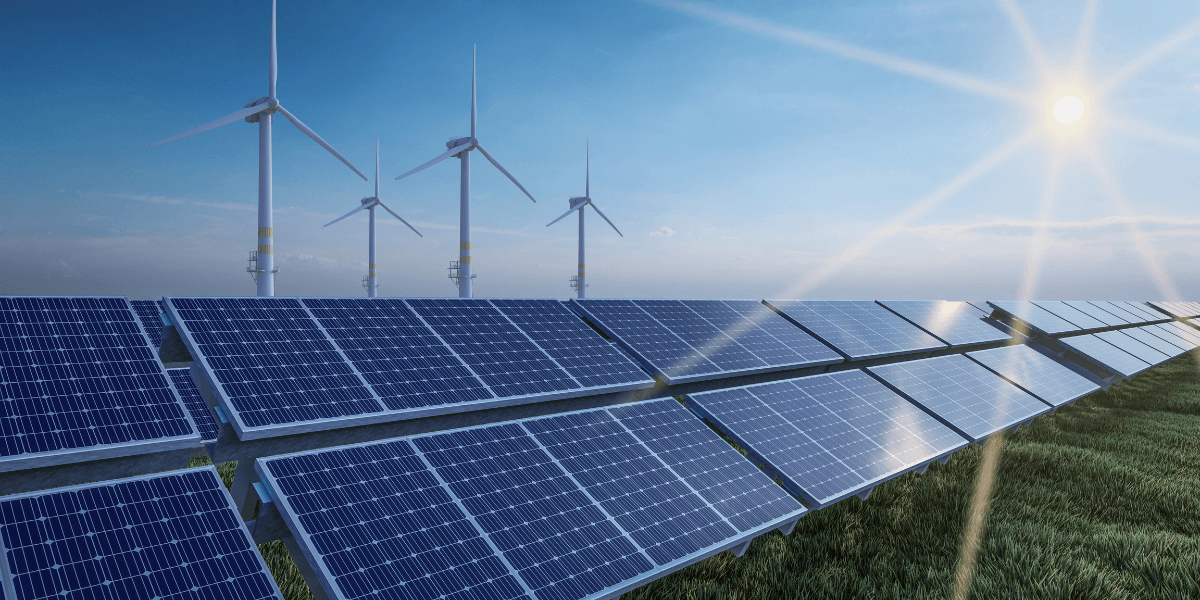
In parallel with the expansion of electricity, solarand wind powercontinue to grow at a rapid rate, becoming the leading players in global installed capacity.
However, the increase in generation from renewable sources brings with it new critical issues:
- networks that need strengthening,
- greater variability of flows,
- supply chains of the most delicate materials,
- need formore advanced storage and control systems .
Designing HVAC systems today means taking these variables into account, integrating distributed generation, local storage, and system efficiency. Grid stability becomes a key factor, as does each system's ability to adapt to dynamic and less predictable energy scenarios.
Efficiency as a balancing element for plants and networks
In this landscape, energy efficiencyremains the key to enabling the system to operate sustainably. Reducing consumptionmeans reducing pressure on the grid, limiting weaknesses, and ensuring operational continuity.
For the HVAC industry, this requires high-performance seasonal equipment, digital control and monitoring systems, and design that considers the entire building energy cycle.
The plant supply chainis called upon to play an increasingly strategic role: contributing to a more electric, more renewable, and more stable system through integrated, resilient solutions capable of rapidly adapting to evolving scenarios.
Related Focus