Small wind turbines for industry and agriculture: clean energy and autonomy for productive sectors
Small wind power is entering the industrial and agricultural sectors as a stable, efficient renewable source that can be integrated with other technologies for energy autonomy.
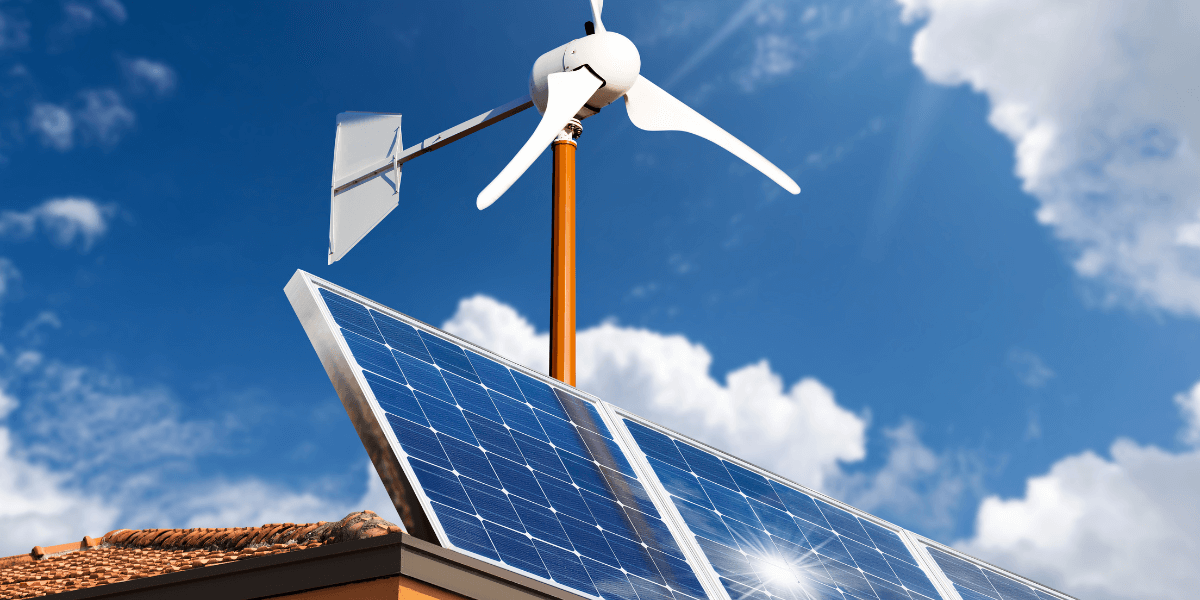
In the renewable energy landscape, small-scale wind power represents a rapidly evolving technology, capable of bringing the advantages of traditional wind power to a small, local scale.
Designed for industrial and agricultural contexts, it allows you to self-produce clean energy directly on site , promoting self-consumption and reducing dependence on the electricity grid.
In areas with good wind conditions and available space, small-power turbines— from a few dozen kW up to 1 MW —can ensure stable production, adaptable to the energy needs of farms, production plants, and logistics facilities.
An important contribution to decarbonization and the energy competitiveness of companies.
Efficiency, versatility and integration with other renewable sources
The strong point of mini wind power is its flexibility of application : it can be installed in rural, industrial or coastal areas, even in combination with photovoltaic systems and storage systems .
This integration allows us to stabilize energy production and make the most of available resources throughout the year.
The main advantages are:
- immediate self-consumption of the energy produced, with reduced costs on the bill;
- speed of installation and limited maintenance over time;
- positive impacts on corporate sustainability and the environmental certification of processes;
- incentives for energy efficiency , thanks to the growing attention to distributed sources.
Mini wind power can thus become a strategic component of next-generation hybrid energy systems, aimed at maximum efficiency and autonomy.
Perspectives for energy and climate professionals
The growing interest in small wind solutions also opens up new opportunities for designers, installers, and energy consultants.
Skills related to wind speed measurement, energy flow management, and integration with local electricity grids become key elements in the development of high-performance and safe systems.
At the same time, companies that choose to invest in small wind power can benefit from significant reductions in CO₂ emissions , improving their corporate image and contributing to Europe's climate neutrality goals.
A path that strengthens the renewable energy supply chain, making it more autonomous, resilient, and technologically advanced.
Related Focus