Woody biomass: a renewable energy source that continues to heat Italian homes.
Over 21% of Italian families use wood or pellets for heating. Woody biomass remains a strategic resource for sustainability and energy independence.
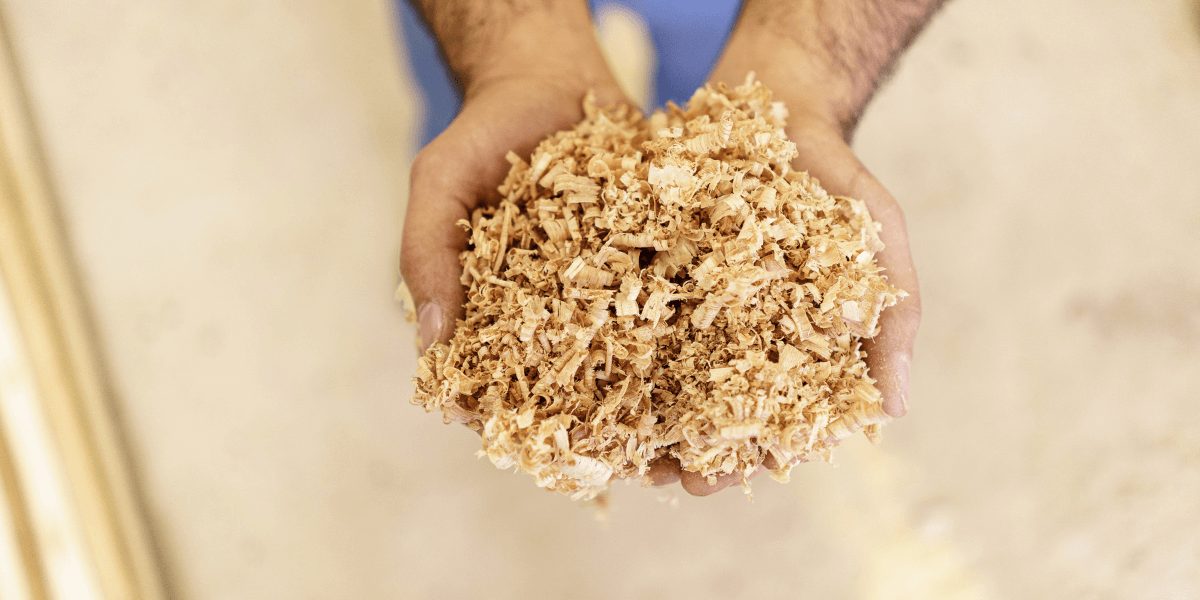
Woody biomass remains an essential component of the domestic energy mix in Italy. According to the latest data, more than one in five families uses wood or pellets for heating, cooking, or domestic hot water.
A choice that combines environmental sustainability, economic convenience, and the valorization of local resources, helping make the country less dependent on fossil fuels and more energy resilient.
Wood prices down, pellets up: the evolution of biomass heating
The biomass heating landscape has changed in recent years. While firewood consumption has seen a slight decline, falling from 17% of households in 2021 to 16% in 2023, pellet consumption continues to grow, reaching 7.8% and almost doubling compared to ten years ago.
Today, over 5 million households heat their homes with wood- or pellet-fired appliances, often combined with more modern and automated systems. These technologies guarantee greater efficiency and lower emissions, thanks to new-generation stoves and boilers that comply with European Ecodesign regulations and the most efficient environmental classes.
A key role for territories and energy security
The use of woody biomass is uneven across the country: this type of heating is most widespread in mountainous areas and small towns. In towns with fewer than 10,000 inhabitants, wood is used by over 30% of households, with peaks exceeding 40% in Alpine areas. Pellets are also used by a significant proportion, up to 16% of mountain homes.
In addition to ensuring heat and autonomy, these solutions support sustainable forest management and the local economy, helping to reduce the risk of forest abandonment and keeping the short wood-energy supply chain alive.
Biomass and new technologies: a possible balance
Woody biomass is now confirmed as a complementary pillar of the electricity transition, alongside heat pumps and hybrid systems in the strategy of decarbonizing home heating.
Technological innovations have made stoves, boilers, and inserts much more efficient, automated, and compatible with new energy efficiency trends.
Promoting the replacement of obsolete systems with modern, certified generators is key to keeping biomass at the heart of the journey towards truly sustainable heating — local, circular and low-emissions.
Related Focus