Photovoltaics and energy communities: the new shared model for energy autonomy
Energy communities with photovoltaic systems are redesigning the energy system: shared production, storage, and local autonomy for a more sustainable transition.

Renewable energy communities (CERs) are revolutionizing the way citizens, businesses, and governments produce and share energy. The integration of photovoltaic systems into collaborative local grids represents one of the most significant developments in Italy's energy transition: a model in which efficiency, sustainability, and participation become concrete tools for reducing costs and improving the resilience of the electricity system.
A new paradigm of production and sharing
Energy communities allow groups of users—private individuals, public entities, or SMEs—to share energy produced by renewable systems, particularly photovoltaic systems, installed on rooftops, parking lots, or brownfield sites. Energy fed into the grid and not consumed locally is redistributed among members, generating economic and environmental benefits.
In addition to direct savings on bills, CER participants can access specific incentives for shared energy and actively contribute to decarbonization. This approach reduces dependence on the national electricity system and promotes greater stability in areas with congested grids or limited infrastructure.
The central role of photovoltaics and storage technologies
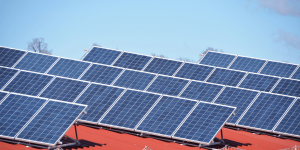
Photovoltaic is the most suitable technology for powering energy communities thanks to its modularity, ease of installation, and the availability of suitable surfaces. Integration with storage systems—both centralized and distributed—allows for more efficient energy management, optimizing self-consumption and sharing.
These systems, combined with digital flow monitoring and management solutions, transform the community into a true local energy microsystem, capable of balancing production and demand in real time.
Prospects for its diffusion in Italy
With the full implementation of the CER decree and the transposition of European standards, the development potential in Italy is enormous. However, obstacles remain related to complex authorization requirements, a lack of technical expertise, and the need for clear governance models. The role of HVAC and energy efficiency professionals will be crucial in supporting businesses and citizens in the design, implementation, and management of these integrated systems.
Energy communities therefore represent not only a technical solution, but also a model of territorial cooperation that can accelerate decarbonization and generate social value.
Related Focus