Nuclear power stalls, renewables grow: the transition takes shape
Nuclear power is slowing down, while solar and wind power are accelerating. Costs, timescales, and regulations make renewables the true driving force of the energy transition.
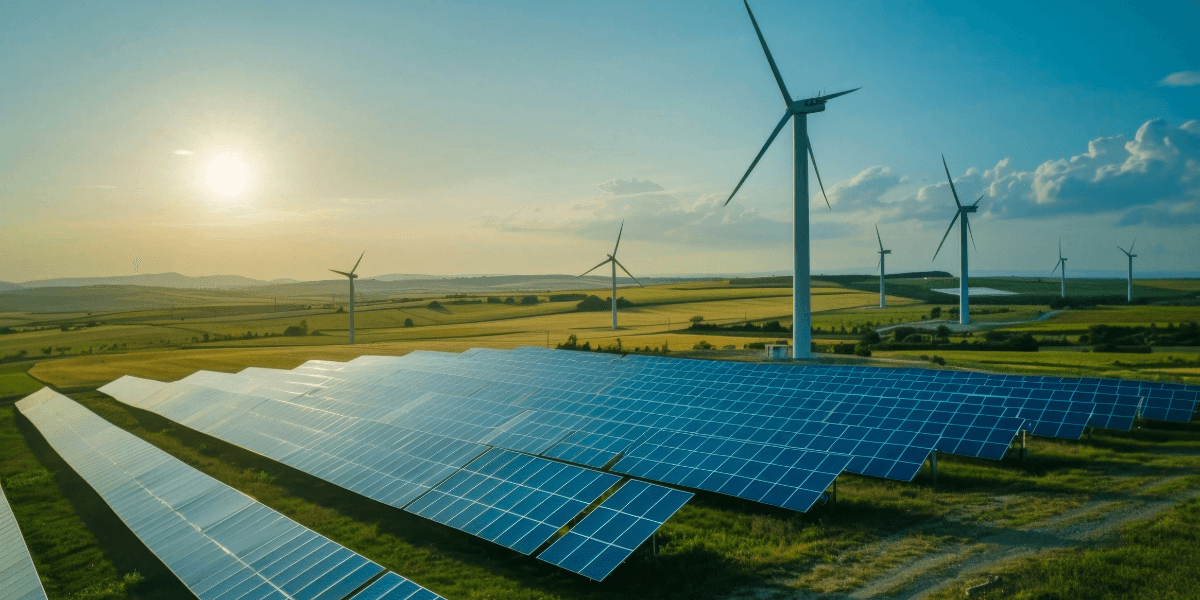
The debate on the future of European and Italian energy highlights two divergent trajectories. On the one hand, nuclear power, which is struggling to materialize due to long lead times and high costs, and on the other, renewable sources , which continue to grow, driven by increasingly efficient technologies and favorable regulations. This dynamic clearly demonstrates how the energy transition is finding its main fulcrum in renewables, opening up concrete scenarios for a more sustainable and resilient electricity system.
The slowdown of nuclear power and its limits
Nuclear energy, often cited as a strategic alternative to reducing dependence on fossil fuels, currently faces a series of difficult obstacles. New power plants require billions in investments and long construction times, which are difficult to reconcile with the urgent need for decarbonization. Added to this are still unresolved issues related to waste management and operational safety. Despite attempts to revive the sector, nuclear's contribution to Europe's electricity mix remains lower than expected, confirming a loss of competitiveness compared to more agile and modular solutions.
The race for renewables and the role of new technologies
In sharp contrast, renewables are consolidating their growth. Photovoltaic and wind power continue to reduce installation and maintenance costs, thanks to a mature industrial supply chain and a regulatory framework that incentivizes investment. New storage technologies—from batteries to thermal storage systems—improve grid stability and intermittency management, making a predominantly renewable electricity system increasingly credible. The ability of these solutions to adapt to different scales, from private homes to large industrial plants, represents a decisive advantage over centralized models like nuclear.
The outlook for the energy market and policies
The gap between nuclear and renewables raises important questions for the future of the sector. For Italy, this means accelerating the development of renewable plants and smart grids, investing in storage, and ensuring a stable and transparent regulatory framework. The energy transition requires the ability to integrate distributed solutions, innovative technologies, and forward-looking policies. In this scenario, renewables are no longer an "alternative source," but the cornerstone of a new European energy strategy.
Related Focus