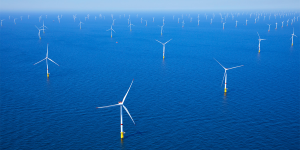
Renewables hit record highs: in August, photovoltaic energy exceeded 20% of Italy's electricity demand.
In August 2025, photovoltaic energy met 20.6% of Italy's electricity demand, a record contribution for the month. Renewables as a whole covered nearly 48%.
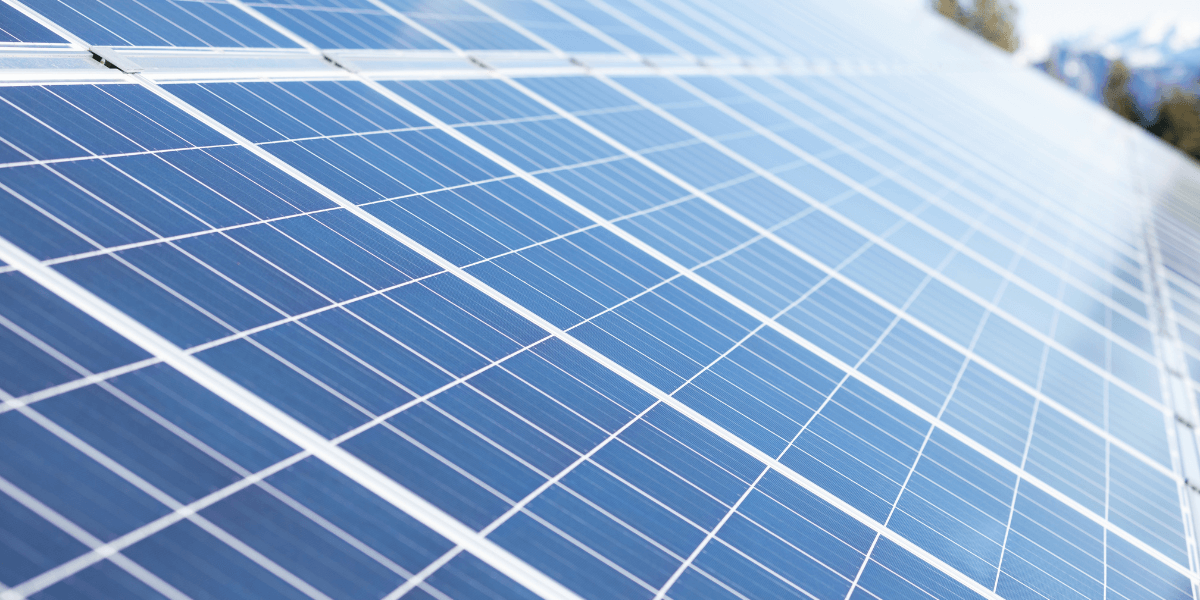
In August 2025, Italy recorded a historic figure: photovoltaic covered 20.6% of monthly electricity demand , contributing approximately 11.8 TWh out of a demand of 24.7 TWh. This is a record for the month of August, in nominal terms, and marks the highest contribution from renewable sources for August since 2015: renewables met 47.7% of national electricity demand. Wind power also made a significant leap (+63.1%), while thermoelectric sources fell by -20.3%.
The record contribution of photovoltaics and the composition of renewables
In August 2025, photovoltaic power took center stage: with production increasing 18.8% compared to August 2024, it covered more than 20% of electricity demand. Renewables as a whole reached 47.7%, the highest level for the month of August since 2015. Wind generation also increased significantly, while hydroelectric and thermoelectric power performed worse than the previous year: hydroelectric power declined both in absolute terms and compared to the same timeframe of 2024.
Cumulative trend: January-August 2025
In the first eight months of 2025, electricity demand in Italy decreased by 1.4% compared to the same period in 2024, but remains 1.5% higher than the 2023 figure. Renewables have so far generated nearly 89 TWh, covering 42.9% of demand and 49.9% of national electricity generation. However, some renewable sources are showing mixed performances: cumulative photovoltaic is growing, while hydroelectricity and sources such as geothermal and bioenergy are showing slight declines. Overall, the foreign trade balance shows reduced imports compared to 2024.
Implications for the electricity system: opportunities and challenges
This result highlights that photovoltaics is becoming a central component of summer electricity generation. When the sun is available, solar energy plays a major role in reducing dependence on fossil fuels, easing pressure on thermal power plants, and mitigating import costs. However, challenges remain: solar's variability requires greater flexibility from storage, smart grids, and demand management. Furthermore, the decline in hydropower highlights the system's vulnerability to climate conditions and water availability.
Related Focus