Solar and biomass together: the advantages of combi systems and available incentives
Combi solar-biomass systems combine solar collectors and pellet or wood boilers: savings of up to 40%, available incentives, and critical issues to consider.
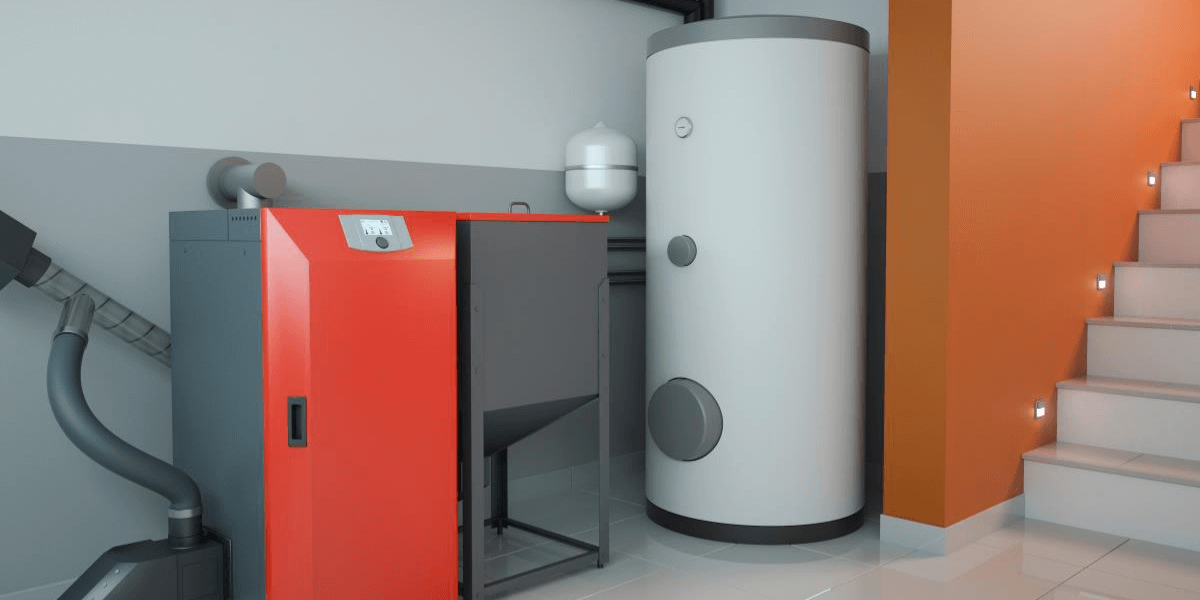
Image source: qualenergia.it
To reduce consumption and emissions, one of the most attractive solutions is the combined solar-biomass system , which combines solar thermal panels with wood, pellet, or wood chip generators. This combination allows for the production of domestic hot water and heating using two renewable sources, resulting in significant savings on utility bills. According to QualEnergia, savings can reach up to 40% , especially in well-insulated buildings with consistent hot water use. However, some obstacles remain: high initial costs, complex installation, and incentives that don't always cover the investment.
How a combined solar-biomass system works
The system is composed of four main elements:
- Solar thermal panels
- A storage tank (puffer)
- A biomass boiler
- A regulation system
In summer and mid-season, solar panels cover most of the domestic hot water needs, while in the winter months, biomass supplements the missing heat. A stratified buffer tank allows for different temperatures and reduces waste, using solar whenever possible and turning on the boiler only when necessary. With a 350-500-liter buffer tank and two 4-5 m² solar collectors, a family of 3-4 can cover a good portion of their hot water needs.
Concrete benefits and recent innovations
In recent years, combi systems have made technological leaps thanks to more advanced control units, capable of better regulating the transition between solar and biomass. This allows for fewer boiler starts and maximum use of available solar energy. The main advantages are lower energy bills , reduced CO₂ emissions, and greater independence from fossil fuels. Studies suggest savings of up to 40%, although results depend on the climate zone, the fuel replaced (LPG and diesel provide the greatest benefits), and the building's level of insulation.
Incentives and obstacles to overcome
Those who choose a combi system can access the Conto Termico (Thermal Account) or regional subsidies, which help cover part of the investment. However, the initial cost remains higher than a traditional system and requires careful sizing to function effectively. Obstacles also include a lack of widespread technical knowledge, the quality of biomass fuel, and permit procedures that are not always straightforward. To encourage widespread adoption, more targeted incentives and greater information for both designers and end users are needed.
When it really pays off
Combi systems are particularly attractive for homes where the initial fossil fuel, such as LPG or diesel, is expensive. They are also advantageous when the home is well insulated and domestic hot water demand is high year-round. Conversely, if the building is poorly insulated or requires high flow temperatures, it may be more cost-effective to consider other solutions such as heat pumps. In any case, customized design is essential to fully exploit the system's benefits.
Related Focus