Photovoltaic self-consumption in Italy: over 10,700 GWh in 2024, a 30% share
In 2024, photovoltaic self-consumption in Italy reached 10,701 GWh (30.2% of net production), driven by industry and the tertiary sector. A technical and regulatory challenge remains.
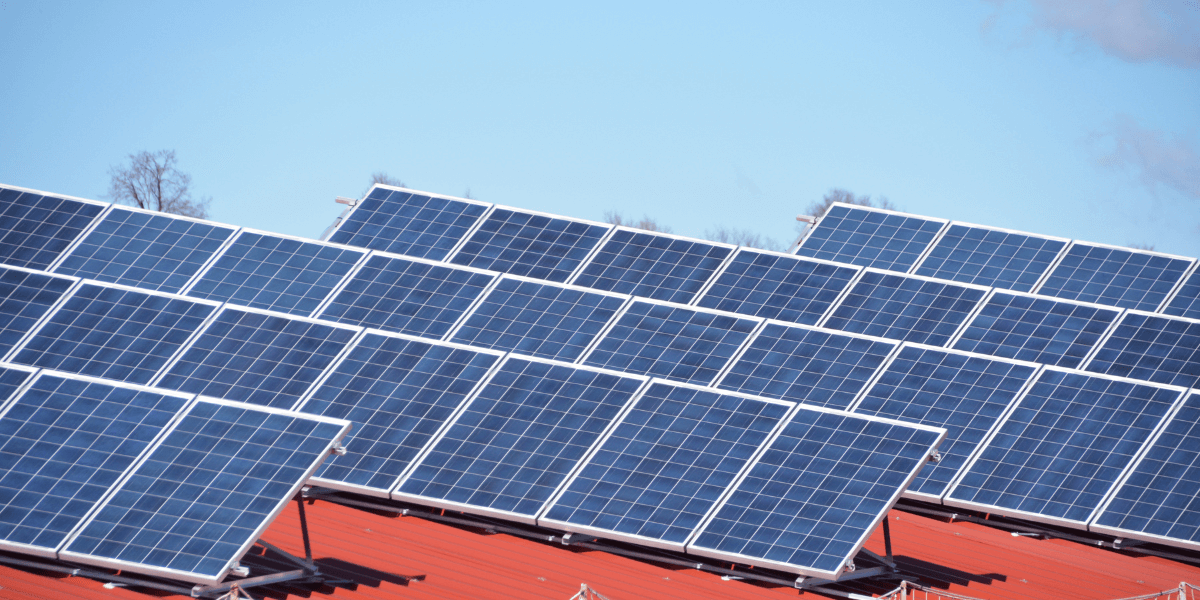
In 2024, Italy achieved a significant milestone in the solar sector: photovoltaic self-consumption reached 10,701 GWh , equivalent to 30.2% of national net solar production . This represents a significant leap compared to 7,498 GWh in 2023 (24.8%), highlighting an acceleration in solar energy producers' ability to directly consume their generated energy, without going through the grid. This development reflects the market's maturation, the effectiveness of incentive policies, and the growing interest of businesses and citizens in greater energy independence.
From 2023 to 2024: surprising growth
Data analysis shows that in just one year, solar self-consumption in Italy increased from 7,498 GWh to 10,701 GWh, an absolute increase of over 3,200 GWh . In percentage terms, the share of domestic self-consumption compared to net national solar generation rose from 24.8% to 30.2%. This means that nearly a third of the solar energy produced did not need to be connected to the grid, but was consumed directly by the producers. This is a clear sign of technological maturity, system efficiency, and increasingly concrete economic viability.
Who benefits from self-consumption: key sectors and regions
Photovoltaic self-consumption is uneven across the country: regions with a strong industrial vocation and areas with high irradiation stand out. The regions with the highest absolute self-consumption are:
- Lombardy (1,899 GWh)
- Veneto (1,308 GWh)
- Emilia-Romagna (1,179 GWh)
The leading sectors are industry and the tertiary sector, which, with constant consumption throughout the day, find self-consumption an excellent opportunity to reduce energy costs. Agriculture also contributes, but with smaller margins, while the domestic sector is even more fragmented, influenced by capacity, system orientation, and user size.
The levers that drive self-consumption and the obstacles to overcome
The leap forward in self-consumption is driven by several factors: rising energy prices, which incentivize direct use, improvements in photovoltaic module costs, and an incentive and regulatory framework that makes the investment more stable. However, significant challenges remain: sizing the system relative to consumption, its relationship with the grid (balancing, feed-in, schedule asymmetries), the need for storage systems to exploit surpluses, and the effectiveness of local incentives. Furthermore, in some areas, access to credit, connection costs, or bureaucratic procedures can slow the expansion of self-consumption.
What it means for planners, businesses and policy makers
For those operating in the photovoltaic sector, the increase in self-consumption represents a new market opportunity: systems sized to meet domestic demand become more competitive. Energy companies and grid operators can offer intelligent management services, storage solutions, and consumption optimization tools. Finally, policymakers have a crucial role: clear rules for storage, targeted incentives, simplified permits, and grid pricing models that take into account the positive contribution of self-consumption can further accelerate deployment.
Related Focus