Sardinia and renewables: an untapped potential
Sardinia risks wasting its renewable energy potential: moratoriums, opposition, and restrictive regulations are holding back an island that could be 100% self-sustaining with solar and wind.
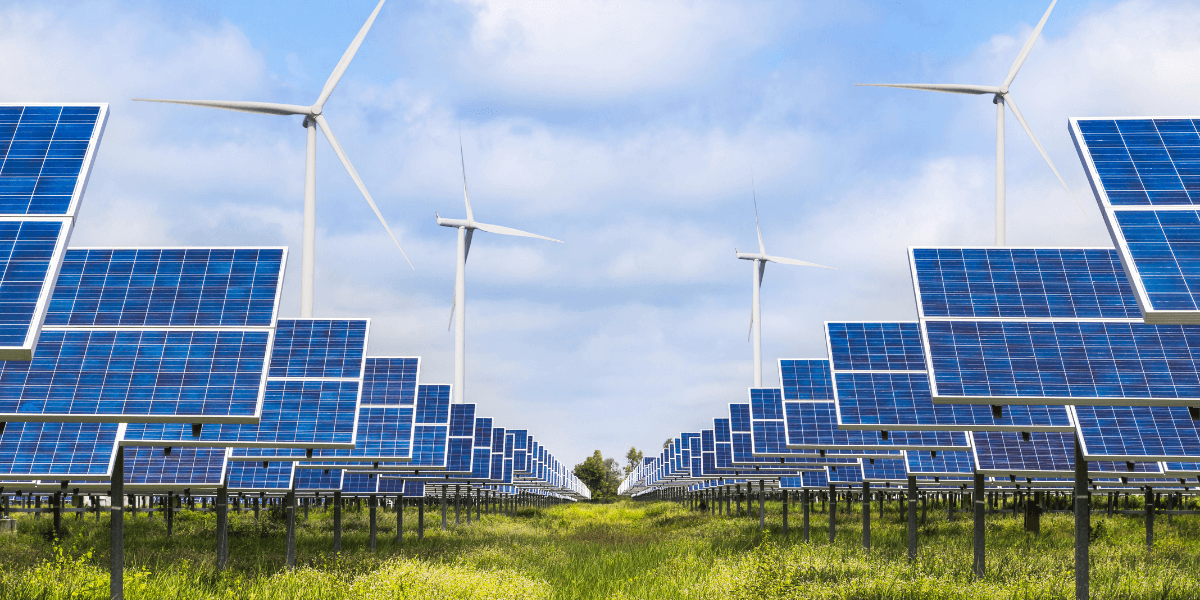
Sardinia boasts favorable geographic conditions—high solar radiation, strong winds both onshore and offshore, and vast degraded former coal-mining areas—that could allow it to self-produce enough renewable energy to cover its entire electricity needs. According to one study, using just 0.4% of its agricultural land would be sufficient. Yet, despite political promises, regional moratoria and regulatory obstacles threaten to stall development. The result? A region that remains heavily dependent on fossil fuel imports, missing out on economic, employment, and climate opportunities.
An extraordinary energy potential
Sardinia holds a number of winning cards: abundant sunshine, competitive sea winds, and vast unused land areas can make the island nearly self-sufficient. The aforementioned study estimates that with energy from renewable sources—solar and wind—the island could be entirely powered by 2030, using minimal land area.
This scenario offers not only cheaper energy for citizens and businesses, but also the opportunity to create new social and economic value , with the creation of jobs and a reduction in external energy dependence.
The barriers blocking the transition
Despite its potential, the rate of growth in renewables in Sardinia is slower than in the rest of Italy. The reasons? A regional moratorium introduced in 2024 suspended new installations for 18 months, and a regional law limits renewable installations to 99% of the territory.
Furthermore, local governments and some lobbies support replacing coal with imported gas, slowing down real investment in clean energy sources. The situation is exacerbated by misinformation and alarmism about soil, landscape, and biodiversity, which often generates social opposition. In some cases, projects have been sabotaged or vandalized.
Strategic choices to avoid wasting renewable potential
For Sardinia to truly leverage its resources, isolated interventions are not enough: long-term strategic decisions are needed. First, it is necessary to overcome blanket bans and adopt more balanced legislation, identifying acceleration zones for renewable energy plants with differentiated evaluation criteria. The most environmentally sensitive areas require stringent standards, while less constrained areas could be targeted for more rapid development.
A second key element is the definition of a shared regional energy vision , capable of looking beyond local interests and planning demand, available sources, grid connections, and regional budgets through 2040. Only with a unified perspective can the island become truly competitive in the transition.
Finally, the involvement of municipalities is crucial. They should be given a central role in identifying suitable areas, in collaboration with citizens. This approach would allow for the combination of development and environmental protection, transforming municipalities into actors capable of attracting investment, generating new job opportunities, and ensuring local governance of the transition.
Related Focus