Stable prices for pellets, wood and wood chips: wood-based biofuels remain the most convenient choice for heating
Pellets, wood, and wood chips remain among the most convenient and sustainable heating sources: stable prices, significant savings, and increasingly efficient local supply chains.
September 2025 marks a new equilibrium for the woody biofuels market, with prices remaining largely stable and demand continuing to grow, driven by the need for affordable, safe and renewable solutions for home heating.
According to AIEL 's studies, pellets, firewood, and wood chips remain accessible and sustainable energy sources, capable of combining economic efficiency and environmental protection at a time when fossil fuels are still highly volatile.
Pellets: convenience and sustainability in a mature market
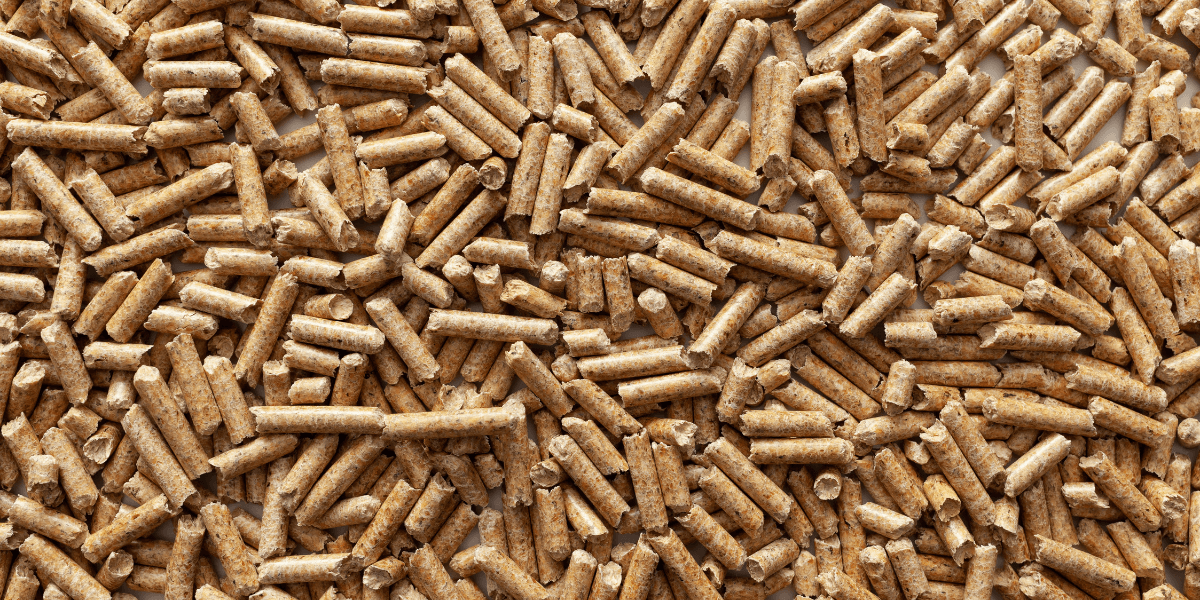
In September, ENplus® A1 certified pellets recorded an average price of 5.6 euros per 15 kg bag, slightly higher than in 2024 but still competitive with fossil fuels.
With an average cost of €79/MWh, pellets guarantee savings of up to 40% compared to natural gas and over 40% compared to heating oil.
Price stability is the result of a mature and well-structured market, in which the national supply chain, from production to distribution, has been able to guarantee continuity and quality even in times of greatest energy uncertainty.
In addition to convenience, pellets today represent a conscious choice for those who want to reduce CO₂ emissions and contribute to the energy transition, using a renewable, certified and traceable source.
Wood and wood chips: local energy for sustainable heating
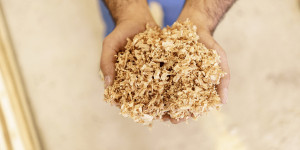
Firewood also remains reasonably priced, averaging €60/MWh, a 45-50% savings compared to fossil fuels. For families using modern fireplaces or stoves, annual heating costs remain low, around €570, with high performance if the wood is well-seasoned and low in moisture.
Wood chips, on the other hand, remain the cheapest biofuel on the market. Class A1, intended for residential and small collective systems, has an average price of €136/t, equal to approximately €33/MWh.
For a two-family home, the annual cost is around €660, a savings of up to 75% compared to diesel. Its competitiveness is due to its short supply chain and the use of local raw materials, making it one of the resources most consistent with the principles of the circular economy.
Woody biomass: the value of a renewable and accessible supply chain
In an energy landscape where sustainability must go hand in hand with affordability, wood-based biofuels continue to represent a concrete solution. Pellets, wood, and wood chips offer environmental and social benefits: they reduce dependence on imports, support Italian forestry supply chains, and promote regional energy independence.
A choice that's not just about saving money, but also about a vision of a more sustainable, local, and circular future, where natural resources are valued with responsibility and innovation.
Related Focus