Agrivoltaics: Renewable energy and the environment, a synergy for a sustainable future
Agrivoltaics combines photovoltaic production and agricultural activity, enhancing the soil and strengthening the role of renewable energy in Italy's energy transition.
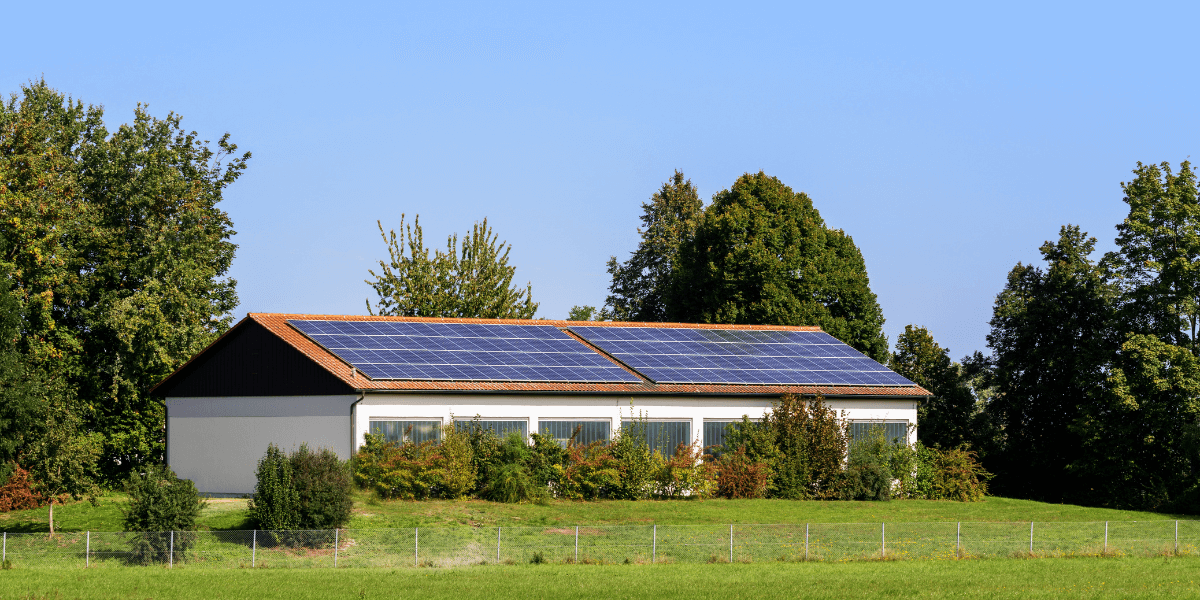
Agrivoltaics represents one of the most interesting evolutions of photovoltaics .
It is a model capable of integrating renewable energy generation with agricultural cultivation , allowing the production of electricity from solar sources without compromising the productivity of the land.
In a country like Italy, where landscape protection and the availability of agricultural land are central issues, this technology presents itself as a concrete solution for reconciling environmental sustainability and economic competitiveness .
Thanks to the possibility of installing raised or adjustable photovoltaic modules, agrivoltaic systems allow you to maximize energy production while simultaneously ensuring light and space for crops.
A dynamic balance that transforms agricultural land into multifunctional clean energy hubs, contributing to national decarbonization and energy autonomy goals.
Smart photovoltaics and efficient land use
The diffusion of agrivoltaics requires an advanced engineering approach, based on integrated design and environmental analysis.
The inclination and height of the modules, the intensity of shading, the choice of crops and the management of energy flows must be precisely calibrated to achieve synergy between agricultural production and electricity generation.
From a technical point of view, the main advantages are:
- Optimizing energy self-consumption in agricultural and agro-industrial companies;
- Reduction of grid withdrawals and seasonal energy costs;
- Increase in overall photovoltaic efficiency , thanks to the coordinated use of storage and monitoring systems;
- Enhancement of agricultural land without compromising its fertility.
Agrivoltaics thus paves the way for a new generation of intelligent photovoltaic systems, capable of contributing to national energy security and sustainable land management.
Policies and prospects for the diffusion of agrivoltaics
To promote balanced growth in the sector, coordination between energy, agricultural, and environmental policies is necessary.
The adoption of shared guidelines and targeted incentives could facilitate the construction of facilities that meet both production needs and landscape criteria.
A cross-sector approach is key to transforming agrivoltaics into a strategic lever for the ecological transition : not just an energy production tool, but a territorial development model capable of generating value for agricultural businesses and the entire renewable energy supply chain.
An ally for the energy transition
Agrivoltaics consolidates the role of photovoltaics as a pillar of Italian decarbonization.
It offers the agricultural sector a concrete opportunity to reduce energy costs, improve competitiveness and contribute to Europe's climate neutrality goals.
The coexistence of agriculture and energy is no longer a theoretical challenge, but a real prospect for sustainable innovation , destined to become an integral part of the country's energy future.
Related Focus