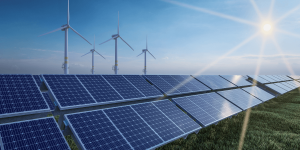
Solar and wind power meet all new global demand: what does this mean for Europe?
The growth of solar and wind power meets all of the new global electricity demand. This is also a strong signal for Europe, which is accelerating its move toward a cleaner mix.
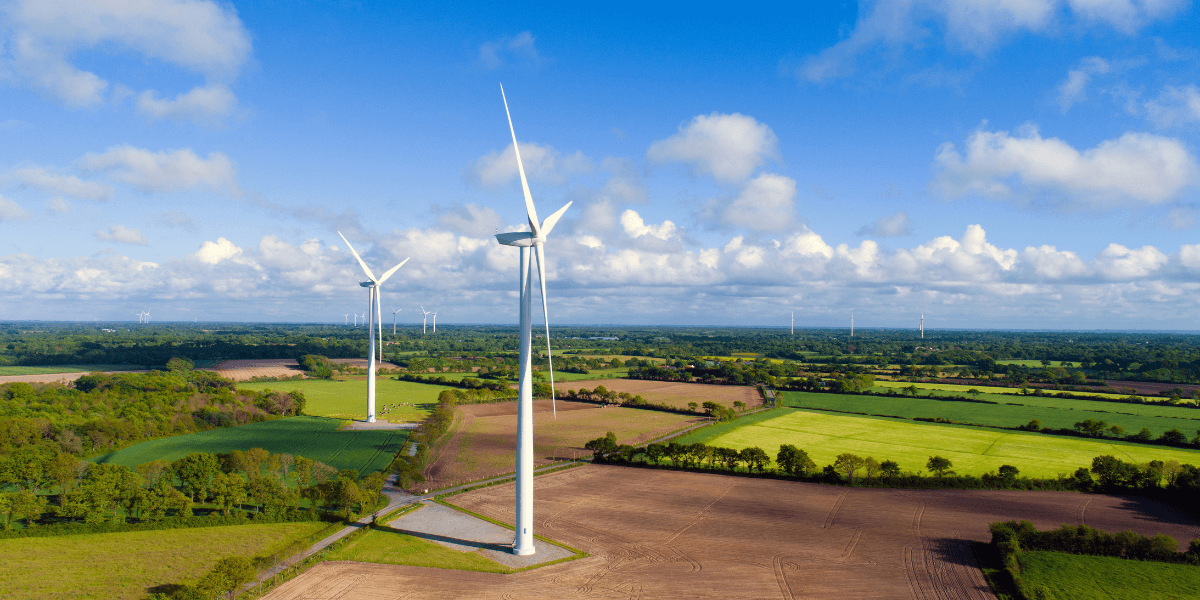
According to the latest international analyses, the combined growth of photovoltaic and wind power has been sufficient to satisfy all new global electricity demand . This is a symbolically powerful step, marking a new phase in the transformation of the global energy system: increased consumption no longer depends, as in the past, on the expansion of fossil fuels.
The main driver is photovoltaic , now the undisputed leader in the electricity sector thanks to increasingly competitive costs and an unprecedented rate of installations. Wind power makes a significant contribution, especially in regions with low production costs and long-term policies.
Europe is accelerating: less fossil fuel coalition and more clean generation
While the global scenario presents a new equilibrium, the European one is among the most advanced. The progressive reduction in the use of coal and gas in national electricity mixes is the result of ongoing investments in renewables, storage, and networks, as well as increasingly stringent targets for 2030 and 2050.
For Europe, the growth of solar and wind power is not just a component of decarbonization: it has become a strategic lever for energy security , especially after the gas price crisis. With a rapidly expanding renewable energy portfolio, the continent is approaching the threshold where replacing fossil fuels is no longer just about meeting new demand, but also reducing existing demand.
For designers, installers, and operators in the HVAC-R sector, this transformation translates into greater integration between renewable generation, heat pumps, storage, and load management systems: the role of these systems is becoming increasingly central in an electricity mix dominated by non-programmable sources.
A Consolidating Transition: Technical Impacts and Perspectives
The ability of renewables to meet all new global demand represents a turning point, but also a clear indication of future priorities: investing in smart grids, widespread storage, flexible demand management, and the integration of high-efficiency thermal plants.
For the European sector , this phase requires:
- greater stability in investments , to support the increase in photovoltaic and wind power capacity
- highly efficient plant systems , such as heat pumps and hybrid systems, capable of exploiting clean electricity
- adequate grid infrastructure , to absorb the growing renewable production
The growth of solar and wind power is no longer an ancillary phenomenon, but a structural element of Europe's future energy architecture.
The challenge now is to transform this momentum into a complete modernization of air conditioning, thermal generation and energy management systems.
Related Focus