Renewable energy: growing diffusion and new challenges for the energy system
Renewables are growing in the energy mix, but system integration and efficiency remain crucial to the transition.
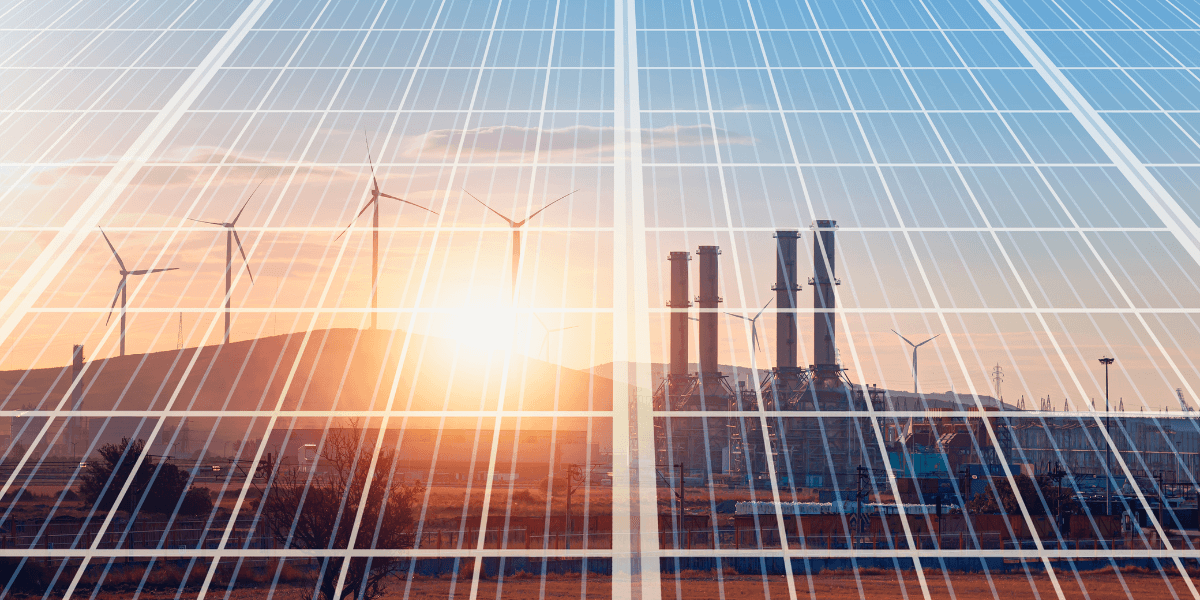
The growth of renewable energy is no longer just a future prospect, but a structural dynamic of the energy system. Photovoltaic , wind , and other clean sources are consolidating their presence in the national and European mix, contributing increasingly significantly to emissions reduction and security of supply .
However, the expansion of renewables cannot be viewed solely in terms of installed capacity: the real issue today concerns system integration, energy flow management, and the infrastructure's ability to accommodate this transformation.
Renewable Energy Growth: Numbers and Transformation of the Energy Mix
In recent years, installed renewable energy capacity has seen a steady increase, driven particularly by photovoltaic and wind power. This evolution has substantially altered the balance between fossil fuels and clean energy sources, making the electricity system increasingly dependent on distributed and variable generation.
The transition from a centralized to a more widespread model brings clear environmental benefits , but also introduces new operational complexities: managing production peaks, grid stability, the need for storage, and load optimization become key elements in ensuring continuity and reliability of the energy service.
System Integration: The Role of Efficiency and HVAC Technologies
The expansion of renewables requires a broader reflection on the entire energy ecosystem. It's not enough to simply increase production from clean sources: it's necessary to intelligently coordinate generation, consumption, and storage .
In this scenario, HVAC technologies and energy efficiency systems play a strategic role. The integration of high-efficiency heat pumps , advanced control systems , and building automation allows loads to be modulated based on the availability of renewable energy. At the same time, the combination with storage systems and self-consumption solutions improves local use of the energy produced, reducing losses and the impact on the grid.
For designers and operators in the energy sector, this means adopting an integrated vision of the system, where renewable generation and efficiency work synergistically.
Future prospects: between climate objectives and competitiveness
The outlook for renewables remains positive, supported by ambitious European policies and growing demand for sustainable energy solutions. However, fully realizing this potential requires a parallel evolution of infrastructure, technical expertise, and energy management models.
For the HVAC industry and air conditioning professionals, the ongoing transition represents a concrete opportunity: integrating efficient and renewable solutions means actively contributing to decarbonization, but also offering more competitive, resilient, and future-proof systems.
The spread of renewables, therefore, is not just a growth trend, but a process of systemic transformation that involves planning, regulation, and technological innovation along the entire energy supply chain.
Related Focus