Critical raw materials: the vulnerability of renewables in the European Union
Dependence on critical raw materials makes renewable energy supply chains in the EU vulnerable: risks, impacts, and strategies for resilience.
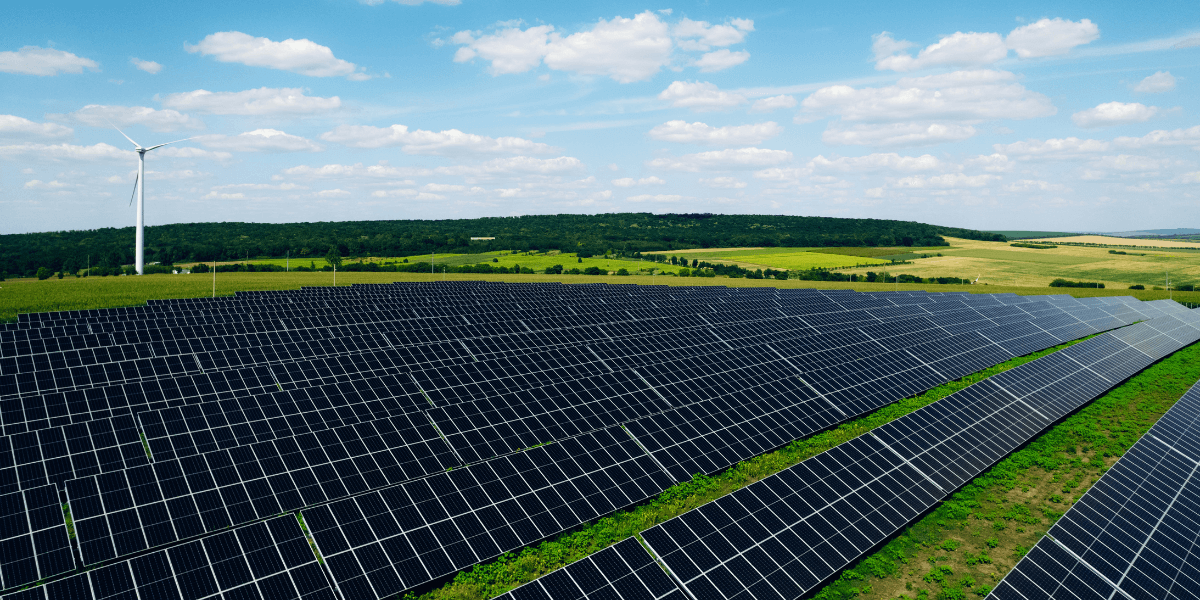
Europe's energy transition , although accelerated in recent years, faces a new challenge: dependence on critical raw materials needed for renewable technologies such as photovoltaic, wind, batteries, and storage systems. Despite the increase in installed capacity of clean sources and the progressive decarbonization of energy systems, the European Union remains vulnerable to supply disruptions of strategic materials, often concentrated in a few global producing countries.
Dependence on raw materials: risks for the transition
Technologies driving the transition to clean energy require specific materials , including rare earths, lithium, cobalt and other technology-intensive metals .
These critical raw materials are essential for the production of photovoltaic panels, wind turbines, electrochemical storage systems and inverters , but their extraction and processing are characterised by strong geographical concentrations and volatile market dynamics.
Dependence on external supplies exposes European countries to sudden disruptions, price fluctuations, and geopolitical tensions that can slow the development of national renewable energy supply chains. Furthermore, the heavy use of these resources across multiple industrial sectors, not just energy, leads to global competition for access to materials, increasing the risk of shortages in the short and medium term.
Impacts on plant and technological supply chains
For the HVAC and energy world, vulnerability to critical raw materials translates into greater design and competitive uncertainty .
Companies operating in the design, installation and maintenance of renewable energy systems may face:
- increases in technology costs , with cascading effects on estimates and design times;
- delays in deliveries and installation of systems , especially in high-demand segments;
- pressures on the supply chain , with the need for diversification strategies and technological backup.
In this context, technology and infrastructure planning must consider not only technical and regulatory requirements, but also the robustness of supply chains, including potential material shortage scenarios and technological design alternatives.
Strategies to increase European resilience
To mitigate the risks associated with critical raw materials, the European Union is evaluating and adopting several strategic levers. These include promoting circular economy cycles for the recycling of materials from end-of-life products, investing in domestic extraction and processing capacity, and implementing multilateral trade agreements to diversify supply sources.
For the energy and air conditioning sector, these developments underscore the importance of adopting flexible design approaches, considering technological alternatives less dependent on critical materials, and constantly monitoring evolving market dynamics. Only in this way will it be possible to ensure that the growth of renewables proceeds sustainably, resiliently, and capable of supporting Europe's emissions reduction and energy independence goals.
Related Focus