Renewables in buildings: incentives and new minimum requirements for systems
Incentives for renewables in buildings tied to minimum system requirements: how to integrate clean technologies and optimize HVAC systems.
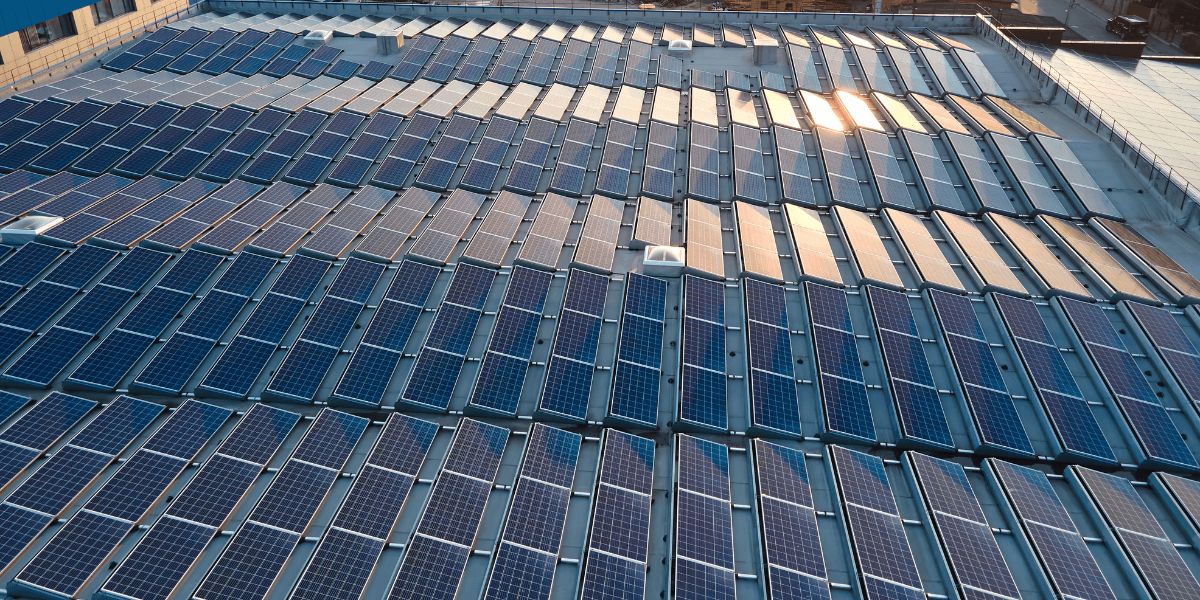
As part of the Italian energy transition , there is growing attention on how to integrate renewable technologies into buildings, especially in light of recent provisions linking the provision of incentives to the presence of minimum system requirements . Legislators are increasingly tying tax breaks and support tools to the concreteness of projects, requiring the adoption of solutions based on clean energy sources and system configurations consistent with the building's overall energy efficiency.
Incentives and requirements: what's changing for systems in buildings?
The emerging logic foresees that access to certain incentives is conditioned not only by the final energy class of the building, but also by the composition of the system and the share of integrated renewable energy .
In practical terms, this translates into the need to adopt technologies such as photovoltaics , high-efficiency heat pumps , hybrid systems and storage systems , capable of guaranteeing a significant share of clean energy compared to the overall demand for thermal and electrical energy.
With these requirements, the goal is not only to promote the adoption of renewable technologies, but to ensure that the interventions produce measurable benefits in terms of reduced consumption and emissions, increasing the sustainability and resilience of buildings to energy costs and market variables.
Impacts on the HVAC sector and integrated design
For HVAC, air conditioning, and energy efficiency professionals, the combination of incentives and new minimum requirements requires a broader reflection on integrated system design . In this new context, it's not enough to size heat pumps, thermoregulation systems, or solar systems in isolation: it's essential to evaluate the entire set of technological solutions in relation to the building's overall energy performance .
An effective design approach must take into account:
- the integration between generation (such as photovoltaic) and load (thermal and electrical loads);
- the optimization of energy storage systems to maximize self-consumption;
- the choice of components and configurations that guarantee comfort, efficiency and sustainability in all climatic operating conditions.
This systemic vision is becoming increasingly necessary to access incentives and meet market expectations, where the value of a plant is no longer tied solely to the technology installed, but also to its ability to produce renewable energy reliably and continuously.
A more concrete energy transition
The link between incentives and minimum requirements for renewable energy systems in buildings points to a clear direction: not just efficiency claims, but concrete results in terms of actual energy performance. This approach supports a more robust energy transition process, where the adoption of renewable solutions is accompanied by greater design responsibility, appropriate technologies, and effective building energy management.
For the energy and HVAC sector, this evolution means an increasingly integrated role between design, renewable technologies, and efficient systems management, with positive impacts on both consumption and the overall sustainability of Italy's building stock.
Related Focus