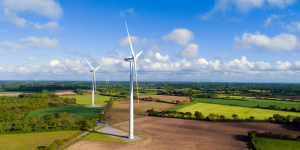
Renewables more competitive than fossil fuels: energy costs to shift from 2024
By 2024, over 90% of new renewable installations were more competitive than fossil fuels. This shift is driving electrification and efficiency in the HVAC industry.
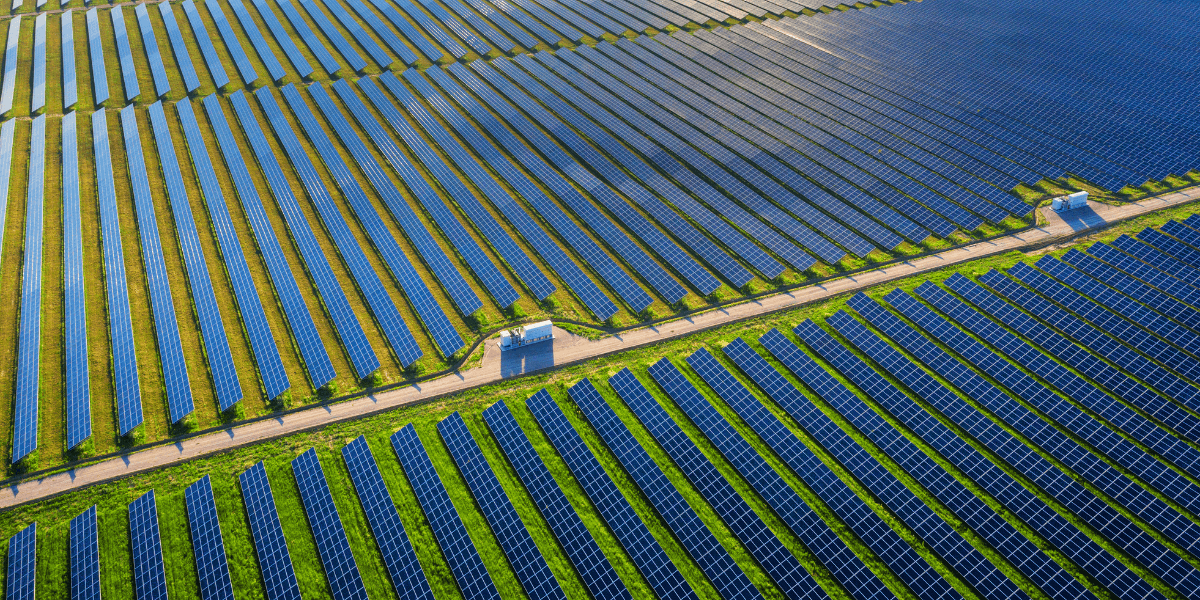
The energy transition is no longer just an environmental necessity: it is now an economically advantageous choice.
The latest data confirms that in 2024, the majority of new renewable energy systems had lower costs than fossil fuel alternatives. This result is not going unnoticed by companies, designers, and operators in the HVAC and energy sectors, who are challenged to interpret a context in which sustainability and efficiency are becoming concrete levers of competitiveness.
A changing market: renewables cheaper than fossil fuels in most cases
The analysis of generation costs reveals a key finding: approximately 91% of new renewable installations completed in 2024 will cost less than building new gas- or coal-fired power plants.
Photovoltaic , wind power and integrated storage solutions are now proving to be the most convenient options for meeting energy demand, even in energy-intensive sectors and in contexts with variable load.
This dynamic helps to reduce dependence on fossil fuels and reduce exposure to price volatility, promoting more stable planning for companies and planners.
Implications for the HVAC industry and plant design
For those working in the air conditioning, energy efficiency, and heat pump sectors, the growing competitiveness of renewable energy sources isn't an abstract fact, but an operational lever.
The lower cost of renewable energy opens up new opportunities:
- it promotes the electrical power supply of modern HVAC systems , which are increasingly efficient and integrable;
- supports the spread of heat pumps and hybrid systems , which are now more convenient even in the long term;
- facilitates self-consumption and storage strategies for public, industrial and commercial buildings;
- makes the design of complex systems based on electrification, digitalization and renewables cost-effective.
The result is an environment where sustainability, efficiency, and competitiveness reinforce each other.
How to consolidate this advantage: infrastructure, regulations and integration
For the competitiveness of renewables to translate into lasting benefits, it will be necessary to intervene on three fronts:
- electricity grids, to manage the integration of new installed power;
- accumulations, to stabilize production and support peaks in demand;
- authorization procedures, which will have to align with the European objectives of accelerating the transition.
An integrated vision of energy and plant design is therefore essential to fully exploit RES as a technical, economic, and environmental asset.
Related Focus