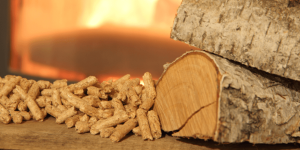
AIEL 2023 Report: Biomass plant quality is growing, but 80% of the fleet is still obsolete.
The 2023 AIEL Report shows an improvement in the quality of biomass plants, but 80% of the fleet is still obsolete and responsible for the majority of emissions.
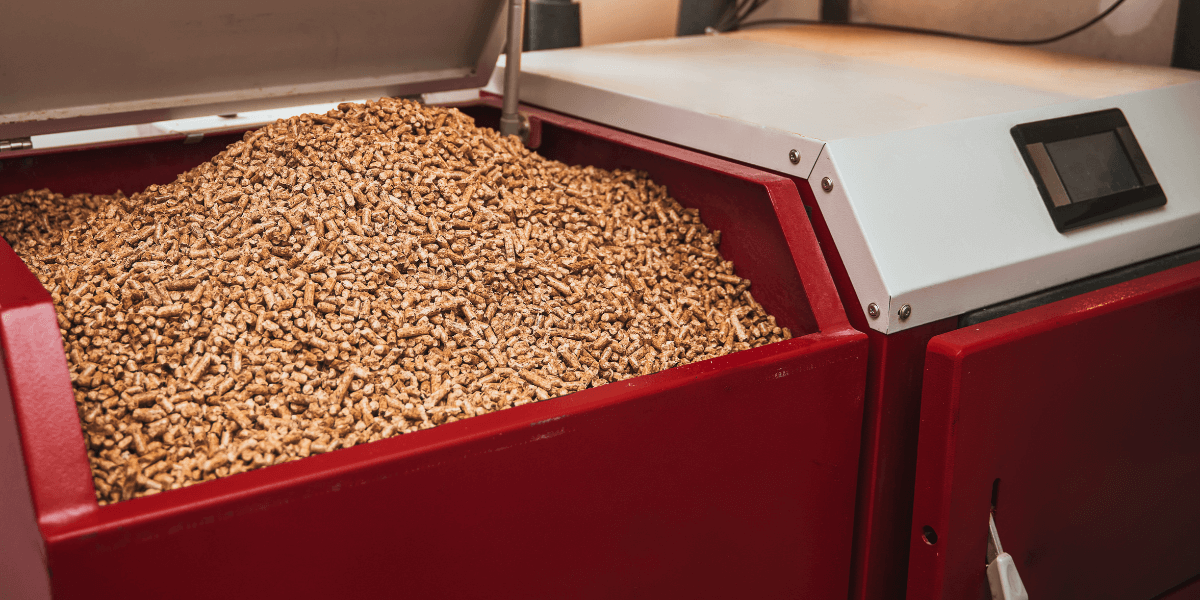
The new AIEL 2023 Statistical Report offers a detailed snapshot of the evolution of biomass plants in Italy.
The picture shows a sector undergoing transformation: more efficient appliances are on the rise, emissions are decreasing, and the impact of incentives is growing. But a structural issue is also emerging that affects performance and emissions: the large presence of obsolete generators , responsible for almost all of the emissions.
More efficient generators and lower emissions: the effect of incentives
In recent years, the use of incentives and replacement mechanisms has led to a significant improvement in the quality of the installed fleet.
In 2023 the following were recorded:
- 836,000 4-star generators , compared to approximately 90,000 in 2017;
- 95,000 5-star devices ;
- over 1 million 2-star appliances decommissioned .
The impact is tangible: PM10 emissions dropped by 37% compared to 2010 , despite the overall installed base still being very large.
This data confirms a clear trend: the quality of technology is crucial to environmental performance, much more so than the overall number of generators present.
80% of devices are still obsolete: the real problem of the sector
Despite the progress, the Report highlights a significant criticality: over 80% of the installed base is made up of 2-star or non-classifiable appliances, and is responsible for more than 90% of overall emissions .
This concentration limits the results achieved by technological turnover and indicates the need to accelerate the replacement process, especially in less efficient domestic systems.
Priorities: replacement, stable tools and more effective controls
According to AIEL, the strategy for reducing emissions does not involve further tightening requirements for new systems, which would have a marginal impact, but rather targeted interventions on existing equipment.
The lines of action considered most effective are:
- replace as a priority the older generators , which are responsible for the majority of the emissions load;
- make incentives homogeneous and stable , simplifying access and ensuring continuity over time;
- strengthen controls , including through new monitoring technologies;
- better communicate the environmental and economic benefits of modern generators , to correctly guide citizens' choices.
These are elements that directly involve installers, designers, and companies in the sector, called upon to promote certified solutions, constant maintenance, and best practices.
An evolving supply chain that requires a leap in quality
As highlighted by AIEL, the issue is not biomass itself, but the permanence of an overly old plant fleet.
The challenge for the coming years will therefore be to reconcile three objectives: improving the quality of the plants, reducing emissions, and making technological change more efficient.
A goal that can only be achieved with stable tools, synergies between institutions and HVAC operators, and greater awareness of the advantages offered by modern technologies.
Related Focus