Heat pumps and photovoltaics: strategic integration for building energy efficiency
The integration of heat pumps and photovoltaics increases self-consumption, efficiency, and sustainability in HVAC systems.
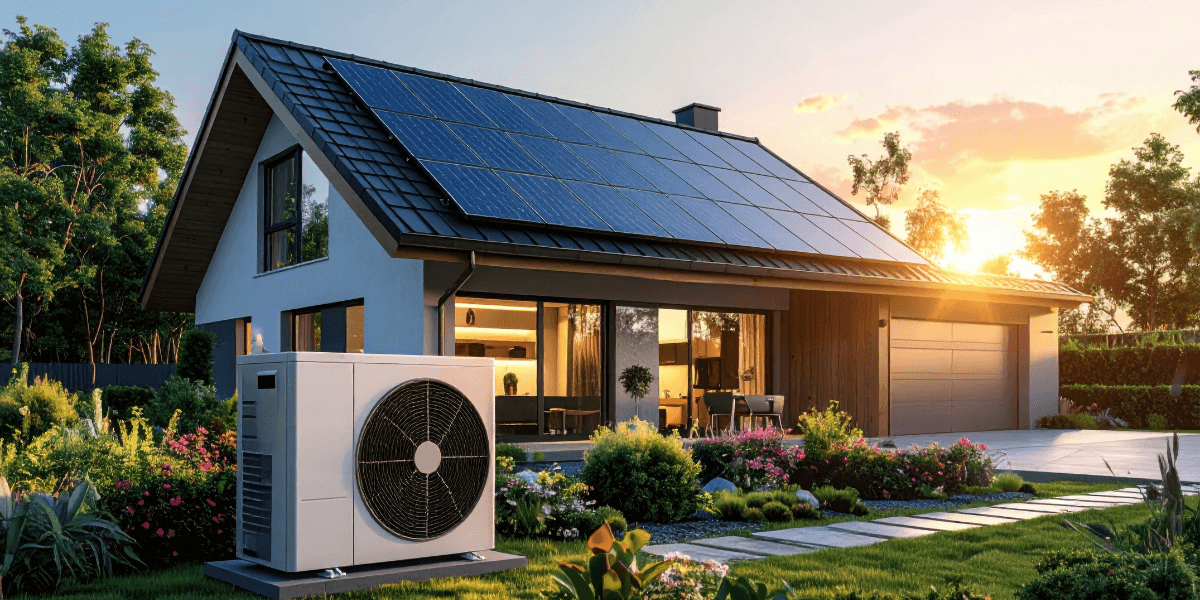
On the path to low-impact buildings, the combination of a heat pump and a photovoltaic system represents one of the most effective solutions for reducing consumption and emissions . For HVAC professionals, this integration is no longer an afterthought, but a strategic design choice, increasingly in demand in both new construction and energy retrofit projects.
The electricity produced by photovoltaic panels can directly power the heat pump , allowing a renewable source to be used for winter and summer air conditioning and domestic hot water production. The result is a system that uses solar energy to power a generator , which in turn uses environmental energy (air, water, or soil), maximizing the building's overall efficiency.
Self-consumption, cost reduction and energy stability
The integration of the two technologies significantly increases the self-consumption portion of the energy produced. During periods of maximum solar radiation, the heat pump can operate while drastically reducing grid consumption.
The benefits for designers and installers are concrete:
- Reduction of operating costs thanks to the direct use of self-produced energy
- Greater independence from electricity price fluctuations
- Increase in seasonal system efficiency
- Tangible contribution to the reduction of CO₂ emissions
The possible integration with electrical storage systems also allows the use of solar energy to be extended into the evening hours or during periods of lower production, further improving the overall performance of the system.
The key role of correct sizing and integrated design
For the synergy between heat pump and photovoltaic systems to reach its full potential, it is essential to adopt an integrated design approach. This involves a thorough analysis of the building's consumption profile, seasonal heating loads, the installed power of the photovoltaic array, and the system's management and control strategies.
A sizing that isn't consistent with actual needs risks limiting the benefits in terms of self-consumption and efficiency. Conversely, a properly balanced system optimizes energy flows, improves seasonal yields, and ensures high long-term performance, in line with decarbonization goals and evolving building sector regulations.
Related Focus