Photovoltaics in 2026: Global growth, but uncertainties remain for Italy
Photovoltaic continues to grow globally, but in Italy uncertainties remain related to permits, connections, and regulatory barriers.
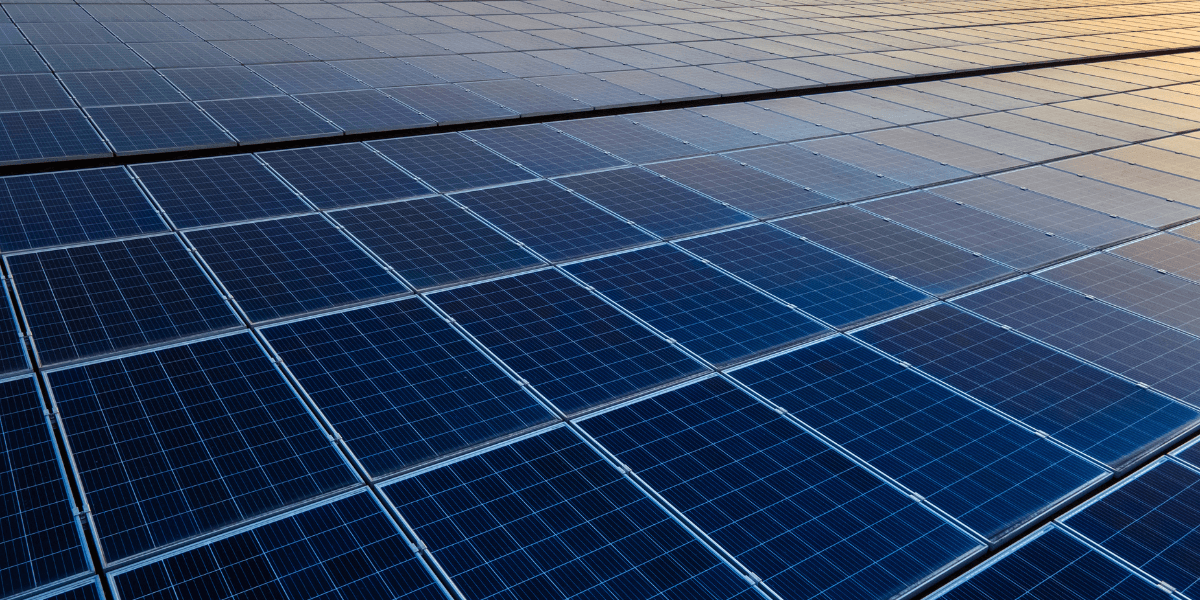
Photovoltaic continues to be one of the most dynamic renewable technologies globally, with installed capacity expansion remaining robust in major international markets.
However, conflicting signals are emerging in the Italian landscape : while solar energy is recognized as a key element of the energy transition , factors persist that are hindering its spread in our country. These dynamics, both opportunities and challenges, deserve in-depth analysis to understand the future prospects and role of photovoltaics in the national energy system.
Photovoltaics in the world: growth trends confirmed
Globally, photovoltaics are experiencing sustained growth rates, supported by decarbonization policies , rapidly decreasing module costs, and growing interest from institutional investors and industry in clean energy solutions. Countries with established markets are rapidly expanding their photovoltaic capacity, integrating storage systems, and improving integration with electricity grids.
This scenario reflects a context in which solar photovoltaics is no longer a marginal technology, but a structural element of the global energy strategy, with positive impacts on system resilience and emissions reduction.
Italy and the uncertainties in 2026
Despite the favorable international framework, in Italy the growth of photovoltaics is showing signs of slowing down compared to the available potential .
The factors contributing to this trend are multiple and include procedural barriers, regulatory constraints , and critical issues related to integrating plants into distribution networks . The complexity of authorization processes, difficulties connecting to existing infrastructure, and regional disparities in the implementation of support policies are negatively impacting the speed with which new plants are built and put into operation.
These uncertainties have concrete implications for planners, operators, and investors, who must contend with longer timelines and greater variability in expected economic returns. In this context, simplifying procedures and defining clearer rules become crucial elements to support sustained growth in the photovoltaic sector in the medium and long term.
Towards a new balance between opportunities and challenges
The centrality of photovoltaics in Italy's energy strategy is unquestionable: it contributes to decarbonization , supports energy independence , and fosters the spread of self-generation models and energy communities . However, translating this potential into operational reality requires targeted interventions on regulatory, infrastructural, and market aspects.
Key areas of intervention include simplifying permits, optimizing connection processes, promoting integrated solutions with storage systems, and adopting advanced technologies for energy load management. For professionals in the energy, plant, and efficiency sectors, the challenge is therefore twofold: seize the opportunities offered by the global growth of photovoltaics while simultaneously helping to overcome the specific obstacles hindering its development in Italy.
Related Focus