



Offshore wind energy in Italy: energy opportunities and challenges for the sector's development.
Offshore wind energy in Italy offers great potential but requires a balance between energy development, authorization procedures, and territorial sustainability.
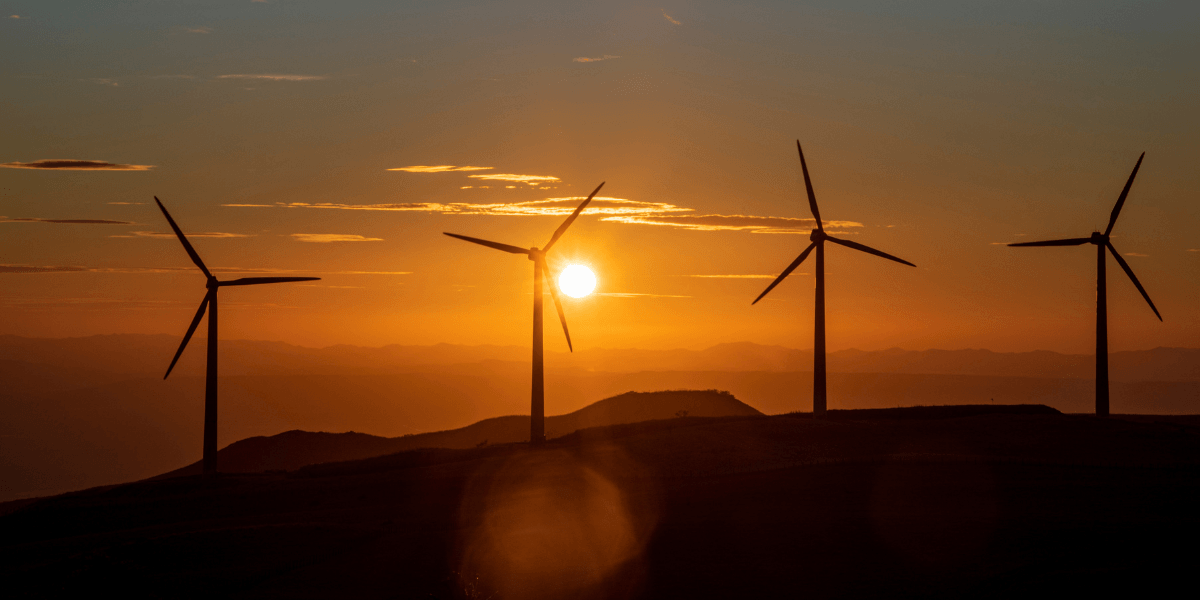
Offshore wind power has returned to the forefront of discussions about Italy's energy future . In a context where the energy transition requires accelerated development of renewable sources, offshore wind energy production is considered one of the solutions with the greatest potential.
At the same time, the sector's development path in our country still highlights some complexities, including authorization requirements, environmental assessments, and the definition of this technology's strategic role in the national energy mix.
Offshore and the energy transition: a resource still underexploited
In the European landscape, offshore wind represents an increasingly important component of renewable energy production. Offshore installations allow the exploitation of more constant and intense winds than onshore winds, resulting in more stable and predictable energy production over time.
In the Italian case, the adoption of floating technologies also allows overcoming the limitations related to seabed depth, opening up new development opportunities even in areas far from the coast.
These characteristics make offshore wind a potentially strategic technology to contribute to the reduction of emissions and the diversification of energy sources, in line with European objectives.
Authorization and planning procedures: the key issues in development
Despite its potential, the offshore sector in Italy is still in its infancy . One of the most significant aspects is the complexity of the authorization processes, which involve multiple institutional levels and often require lengthy timeframes.
Added to this are assessments related to maritime planning and compatibility with other activities, such as fishing, tourism and naval traffic.
The result is a context in which, despite numerous projects submitted, the construction of the plants is proceeding gradually , making more effective coordination between energy development and land management necessary.
A balance between energy development and sustainability
The debate on offshore wind power highlights the need to find a balance between different needs : on the one hand the urgency of increasing production from renewable sources , on the other the protection of the landscape and marine ecosystems .
In this scenario, the role of institutions is to define a clear regulatory framework capable of encouraging investment without neglecting environmental and territorial aspects.
For the energy sector and the HVAC industry, the development of offshore wind represents a strategic element to monitor: the availability of renewable energy will increasingly influence building design, the electrification of consumption, and the evolution of system technologies.
Prospects for the Italian energy system
Looking ahead to the coming years, offshore wind could significantly contribute to the transformation of the Italian energy system, complementing other renewable sources such as photovoltaic and onshore wind.
Its diffusion will depend on the ability to overcome current critical issues and build a development model that integrates technological innovation, sustainability, and territorial planning.
For industry players, this is an evolving area that could have a direct impact not only on energy production but also on the entire energy transition ecosystem.
Related Focus
FAQ
Italy offers significant potential for the development of offshore wind, particularly thanks to the favorable conditions in certain marine areas and the widespread use of floating technology, suited to the deep waters of the Mediterranean. Development of the sector could significantly contribute to renewable energy production and national energy security.
The main critical issues include the complexity of permit requirements, maritime planning, and high initial costs. Added to these are the need for adequate infrastructure and the involvement of local communities, which are essential to avoiding delays in project development.
The development of offshore wind energy can activate a national industrial supply chain, generate skilled employment, and strengthen the competitiveness of the Italian energy system. Recent studies highlight how the sector can become a driver of economic growth and innovation, with positive impacts along the entire energy supply chain.
