



Biomethane and the ecological transition: potential for the Italian energy system
Biomethane can contribute to Italy's energy transition by valorizing agricultural waste and strengthening the production of renewable gas.
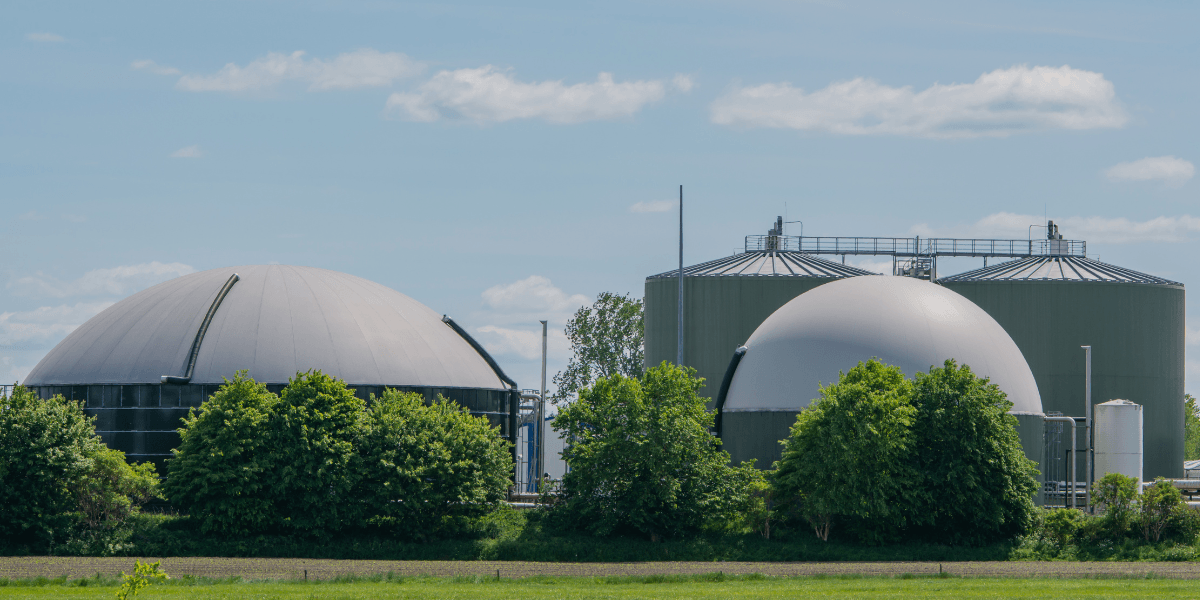
On the path towards the decarbonisation of the energy system , biomethane is establishing itself as one of the most promising solutions for integrating renewable sources .
In Italy, this resource can play a strategic role thanks to the availability of agricultural and agro-industrial waste and the presence of an already developed biogas supply chain. Its development is also supported by European and national policies aimed at strengthening energy security, the circular economy, and reducing climate-altering emissions.
The potential of biomethane in Italy
The production of biomethane represents one of the most interesting developments in the renewable energy landscape, above all because it allows the valorization of agricultural by-products , zootechnical waste and organic waste by transforming them into a renewable energy source .
The production potential of biomethane in Italy is significant and could make a concrete contribution to reducing dependence on fossil gas imports . A particularly important aspect is its compatibility with existing energy infrastructure: biomethane , in fact, has similar characteristics to natural gas and can be fed directly into the national gas grid.
This allows for the exploitation of an already widespread distribution network, promoting a more rapid diffusion of renewable sources without the need to develop new infrastructure systems.
Opportunities and challenges for the energy sector
Developing the biomethane supply chain can generate benefits not only in terms of energy, but also environmental and economic benefits. Among the main advantages are:
- valorization of organic and agricultural waste , transformed into an energy resource
- reduction of greenhouse gas emissions , thanks to the replacement of fossil fuels
- integration with the existing energy system , in particular with the gas network
At the same time, the sector's growth requires careful planning and a clear regulatory framework capable of supporting investments and ensuring the balanced development of plants throughout the country.
For this reason, biomethane is increasingly considered a complementary component to other renewable sources, contributing to the construction of a more resilient and sustainable energy system.
The role of biomethane in the energy transition
In the context of the energy transition , biomethane can contribute to the diversification of sources and the reduction of emissions in the Italian energy system. Alongside the growth of photovoltaic, wind, and electrification of consumption, this resource represents an attractive solution, especially for those sectors where gas will continue to play an important role in the medium term.
For energy and HVAC professionals, the evolution of the biomethane supply chain is therefore an important topic to monitor, both for its technological implications and its potential impact on energy strategies in the coming years.
Related Focus

FAQ
Biomethane is a renewable gas obtained from the recovery of organic waste and biomass and can contribute to the decarbonization of the energy system. In Italy, it is considered an important resource because it reduces emissions and recycles agricultural waste and residues, while also promoting circular economy models.
Biomethane can be injected into the natural gas grid and used in various fields, including building heating, industrial processes, and transportation. This versatility makes it a useful energy carrier for decarbonizing sectors that are difficult to electrify and for integrating renewable sources into the energy system.
Biomethane production from local resources, such as agricultural waste and organic waste, can help reduce dependence on fossil fuel imports and strengthen national energy self-sufficiency. At the same time, it supports the development of agricultural and industrial bioenergy supply chains.
