



Geothermal systems: costs, incentives, and benefits for efficient air conditioning.
Geothermal systems combine high energy performance and tax incentives, offering savings on consumption and greater long-term sustainability.
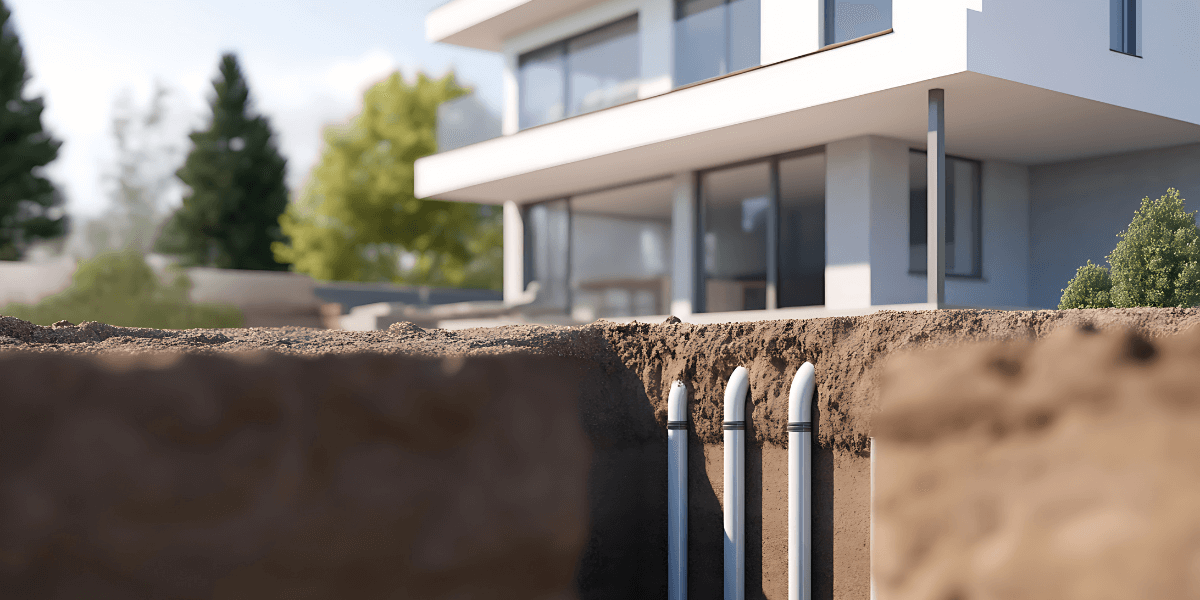
Among the range of heating and cooling solutions for buildings, geothermal heat pump systems stand out for their ability to harness thermal energy from the ground , a constant source available year-round, to meet heating needs with high efficiency. This approach allows for high seasonal performance (ratios between thermal energy supplied and electricity consumption – COP and SCOP – typically higher than air-to-air heat pumps), generating a more stable operating profile that is less affected by external conditions.
Economically, the cost of a geothermal system is influenced by many variables : the type of soil, the required power, the building's surface area, and the type of probe installation (vertical or horizontal). For an average-sized home, the initial investment may be higher than that of a traditional heat pump, precisely because of the drilling and installation of the probes in the ground.
Reduce cost impact with incentives and tax breaks
One of the main factors making geothermal energy more attractive is the incentives and tax deductions available in Italy for renewable and high-efficiency systems. Systems such as geothermal heat pumps may qualify for incentive mechanisms such as:
- Ecobonus : tax deductions that can cover a significant portion of the purchase and installation costs of high-efficiency heat pumps, including geothermal systems.
- Thermal Account: non-repayable grants for energy efficiency improvements and the replacement of obsolete systems, with rates varying based on the system's power and type.
- Reduced VAT and other benefits related to renovation or energy requalification procedures that accompany the installation of the system.
These tools help reduce the initial investment burden, making geothermal energy competitive with other technologies, especially when considered over the medium to long term.
Operational performance and long-term savings
The operational efficiency of a geothermal system translates into lower energy consumption compared to traditional systems based on fossil fuels or air-to-air heat pumps . Underground energy, in fact, guarantees a more stable source temperature, with benefits in both winter and summer, promoting effective and continuous air conditioning without significant fluctuations in performance.
This efficiency is also reflected in savings on operating costs that can significantly reduce annual bills, with a reduction in energy costs often estimated at high percentages compared to traditional solutions.
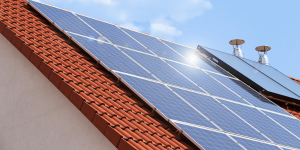
Furthermore, the combination with photovoltaic and storage systems can further enhance the value of the energy produced on site, increasing self-consumption and reducing the impact on the grid.
Implications for the HVAC industry and modern design
For HVAC professionals and energy planners, geothermal energy represents a technology with strong potential for integration into modern building systems. Its ability to operate both as a heat generator and as a cooling system requires a comprehensive design approach that takes into account:
- of the energy characteristics of the building ;
- of the seasonal consumption profile;
- synergies with other renewable and energy management technologies .
Designing a geothermal system therefore means looking beyond the installation of a single machine, considering the interaction between the envelope, systems, and energy sources to maximize performance and economic benefits.
Related Focus


FAQ
Geothermal systems require a high initial investment, which depends on factors such as the type of system (vertical or horizontal probes), sizing, terrain conformation, and drilling work, but these costs can be offset by long-term energy savings.
In Italy, various forms of incentives exist, including energy efficiency support schemes such as Conto Termico 3.0, which provides grants of up to 65% of eligible expenses for geothermal heat pumps and can significantly reduce payback times.
Geothermal systems exploit the constant heat of the subsoil, ensuring high energy efficiency for both heating and cooling, with a reduced environmental impact and potential energy cost savings compared to traditional systems.
