



Utility-scale and renewable energy plants: the role of social acceptance in the energy transition
Community engagement and participation in energy projects are increasingly central elements in the development of utility-scale renewables.
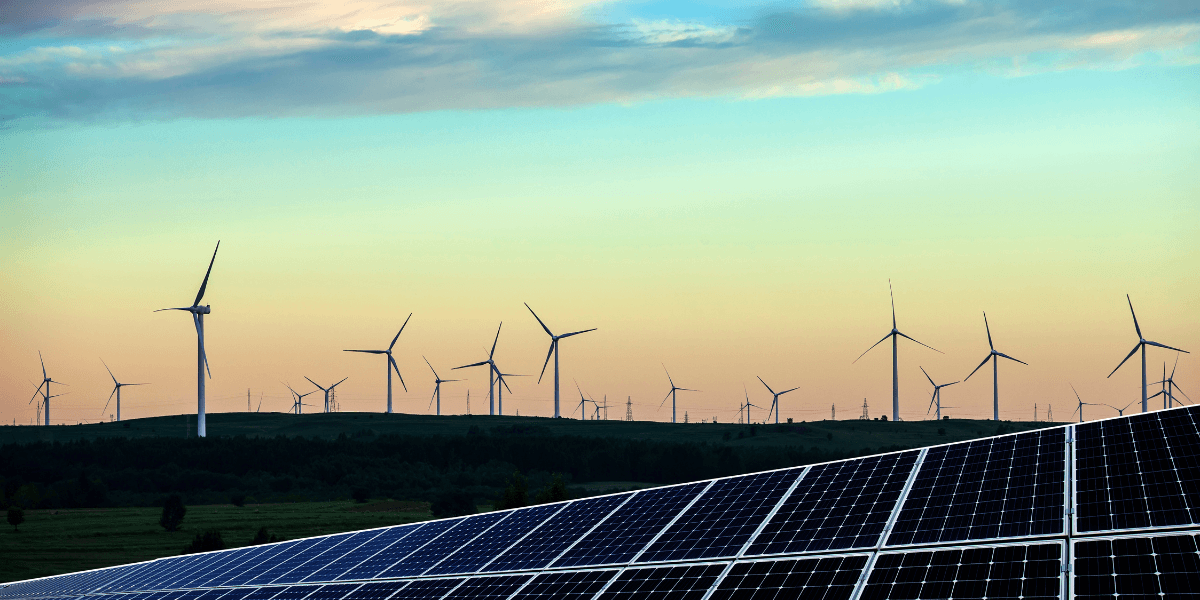
The development of large-scale renewables is one of the key elements for accelerating the energy transition . Large-scale photovoltaic and wind farms are essential for rapidly increasing installed capacity and reducing dependence on fossil fuels.
Alongside the technological and economic aspects, another key factor is increasingly emerging: the ability to gain real consensus from the territories hosting these plants . In many cases, energy projects encounter local resistance related to their impact on the landscape, land use, or the perceived benefits, which are not always clearly distributed among the communities involved.
For this reason, the issue of social acceptance is becoming increasingly central to renewable energy development strategies.
Involving communities from the early stages of projects
One of the most effective strategies for fostering acceptance of systems involves involving local communities in the early planning stages . Transparent information processes, opportunities for public discussion, and ongoing dialogue with governments and citizens can help reduce conflict and misunderstandings.
Indeed, when projects are presented only in the final stages, the risk is that communities perceive the facility as an externally imposed infrastructure. Conversely, a participatory process allows for building a relationship of trust between developers, institutions, and the local community.
In this context , sharing the economic benefits generated by the plants is also particularly important. Local compensation mechanisms or investments in local infrastructure can help make the value generated by energy projects more tangible.
Economic participation and new energy development models
In several European countries, models are emerging that involve direct community participation in energy projects. Shared investment tools or forms of financial participation allow citizens to actively participate in the development of renewables.
This approach helps transform the perception of energy plants, from infrastructures that occupy the land to opportunities for local development and participation in the energy transition.
Direct community involvement can also strengthen the link between energy production and territorial development , promoting a more balanced distribution of the economic benefits generated by the plants.
Territorial planning and communication
Another key element concerns the territorial planning of the plants and the ability to effectively communicate the role of renewables in the energy system.
In fact, many objections arise from an immediate perception of visual or environmental impacts, while the benefits linked to emissions reduction , energy security or energy price stability are less evident at the local level.
For this reason, the debate on utility-scale renewables is shifting towards a more integrated approach, in which technological development, territorial planning, and community participation become complementary elements in the energy transition process.
Related Focus



FAQ
In utility-scale projects, local community consensus can directly impact permit times and plant construction. Critical issues related to landscape impact, land use, or perceived benefits can generate local opposition that slows down or modifies projects.
Design can contribute to social acceptance through solutions that reduce the visual and territorial impact of systems, such as the choice of installation areas, landscape integration, optimization of occupied space, and compatibility with local activities.
The involvement of local authorities, communities, and local stakeholders is increasingly considered an integral part of energy project development. Consultation and information-sharing processes can facilitate the authorization process and contribute to greater project acceptance.
