



Energy Communities in Europe: Between Potential and Development Complexity
Energy communities in Europe are growing slowly: amid high potential and regulatory and operational challenges yet to be overcome.
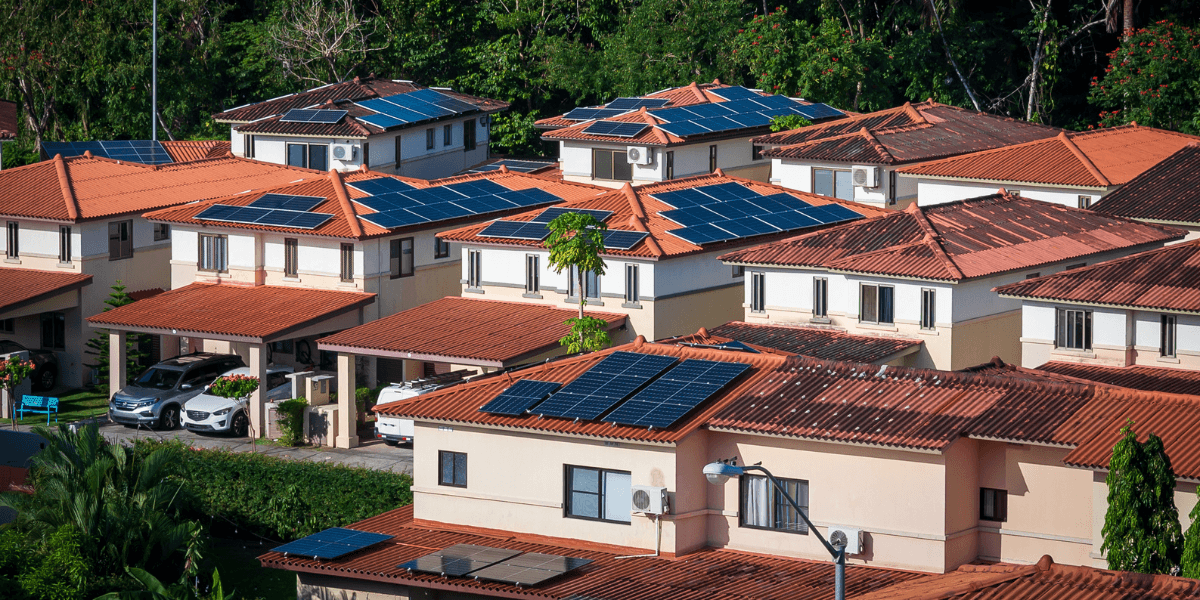
Energy communities represent one of the most interesting tools for transforming the energy system in a distributed and participatory way . The model, based on the local production and sharing of renewable energy, allows for the direct involvement of citizens, businesses, and local communities, promoting new balances between generation and consumption.
Despite strong interest and a European regulatory framework promoting their deployment, the development of energy communities is proceeding more slowly than expected, highlighting some outstanding critical issues.
A promising model that struggles to consolidate
Energy communities are part of a broader evolution of the electricity system, which is gradually moving toward decentralized, flexible, and interconnected models. However, their deployment still faces several operational and regulatory obstacles.
The main critical issues concern:
- regulatory frameworks that are not always homogeneous and constantly evolving
- bureaucratic complexities in the establishment and management of communities
- technical difficulties related to connections and network capacity
- economic models still being defined
These elements complicate the transition from the planning phase to concrete implementation, slowing the spread of initiatives across European countries.
Diffusion still limited compared to the objectives
Despite significant potential, the data highlights how the development of energy communities is still far from the targets set at the European level . The diffusion is uneven, with some countries more advanced and others still in the initial phase.
This scenario reflects a transition phase, in which the model must still find a balance between regulation, economic sustainability, and operational simplification. At the same time, the topic remains central to European energy strategies, with growth prospects linked to the progressive maturation of the market.
Implications for buildings, plants and energy management
For the HVAC sector and the building industry, the development of energy communities represents a significant shift in the way energy systems are designed and managed. The ability to share energy locally introduces new ways of integrating production, consumption, and storage .
In this context, the following play an increasingly important role:
- plant systems designed to maximize shared self-consumption
- integration between renewables, storage and building automation
- solutions for the intelligent management of energy flows
For designers and operators, this is an evolution that requires transversal skills and an increasingly systemic vision of energy.
Towards a more distributed energy system
Energy communities represent one possible direction for the European energy system, moving toward more distributed, sustainable, and participatory models. However, their development will depend on the ability to overcome current complexities and make the model more accessible and replicable.
For the energy and plant supply chain, a phase of adaptation and opportunity is opening: integrating technologies, optimizing consumption, and designing systems capable of communicating with increasingly dynamic networks will be among the key challenges of the coming years.
FAQ
Energy communities enable citizens, businesses, and local authorities to produce, share, and consume renewable energy locally, contributing to the spread of renewables, reducing energy costs, and strengthening local energy autonomy.
Despite their potential, the development of energy communities is hampered by complex bureaucracy, fragmented regulations, difficult grid access, and a lack of technical and information support. Furthermore, European targets have currently only been partially met (about 27%), reflecting lower-than-expected growth.
Regulatory simplification, greater regulatory clarity, targeted incentives, and technical support tools are essential to fostering their development. Improving grid infrastructure and energy management systems is also key to making these models more effective and scalable.
