



Renewables on the rise: wind power is pushing Italy's energy mix toward a new balance.
In 2026, renewables will grow in the Italian energy mix, with wind power playing a leading role in the system's transformation.
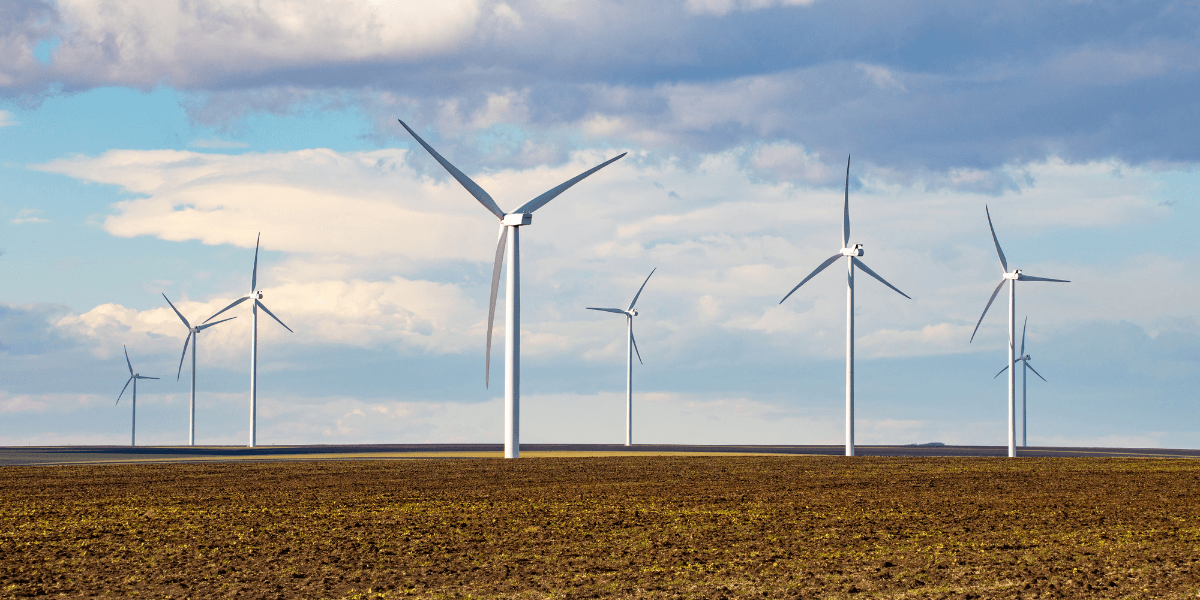
The Italian energy system is undergoing an increasingly evident transformation, in which renewable sources are progressively consolidating their role in national electricity production.
Data for the first months of 2026 confirm this trend, highlighting significant growth in generation from clean sources. In this scenario, wind power emerges as one of the main drivers , contributing significantly to strengthening the renewable share of the energy mix and reaching new levels of production.
A growing contribution that strengthens the system
In the first two months of 2026, generation from renewable sources recorded a significant increase compared to the same period of the previous year, confirming a now structural trend. This isn't just a quantitative increase, but a shift in the role of renewables, which are becoming increasingly central to meeting electricity demand.
In particular, wind power has shown significant growth, contributing to improving the overall balance of the energy system. This development brings concrete benefits , including:
- greater coverage of demand with energy from renewable sources
- reducing dependence on fossil fuels
- improving system stability through diversification of sources
The integration of wind and photovoltaic energy allows for the compensation of production variability, making the system more resilient and flexible.
Growth of renewables: what changes for plants, buildings, and energy consumption
The growth of renewables, and wind power in particular, not only concerns energy production, but also has a direct impact on the way it is used and managed .
For the HVAC industry and building design, this means dealing with a context in which electricity will be increasingly available from clean sources and will need to be managed intelligently.
The evolution of the energy mix is in fact pushing towards greater integration between plants, storage systems and advanced control solutions, favouring the electrification of consumption and the optimisation of energy efficiency .
In this scenario, the ability to design systems that can communicate with the grid and leverage renewable energy production becomes an increasingly strategic element for all operators in the supply chain.
Related Focus

FAQ
Wind energy is playing an increasingly important role in the national energy mix, contributing significantly to renewable energy production. In recent years, it has become one of the main sources of electricity, reflecting significant growth in the sector.
In recent years, Italy has seen a significant increase in production from renewable sources, which by 2025 would have covered approximately 41% of national electricity demand. This evolution is progressively reducing the impact of fossil fuels and changing the balance of the energy system.
The increasing share of wind energy introduces new grid management requirements, linked to the variability of production. To ensure system stability and efficiency, investments in grid infrastructure, storage systems, and demand management tools are essential for effectively integrating renewable sources.
