



Focus - Energy efficiency
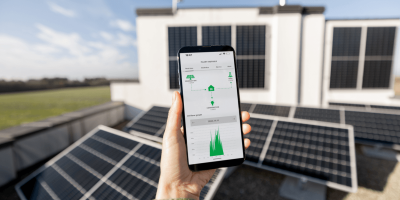
Energy retrofitting of buildings, integrated with bioclimatic strategies and high-efficiency systems, is a key lever for resilient, sustainable, and comfortable construction in all seasons.

HVAC systems and smart technologies are essential for managing summer overheating in buildings, improving comfort, energy efficiency, and overall sustainability.
Renewables will drive Italy's decarbonization by 2050, integrated with electrification, smart grids, and technological innovations for efficiency, resilience, and sustainability.
Italy achieves 85% of its energy efficiency target (PNIEC) thanks to savings of over 5 Mtoe between 2021 and 2025, with positive effects on consumption, costs, and sustainability.
Decarbonizing the gas sector requires integrated strategies combining electrification, biomethane, hydrogen, and efficiency to reduce emissions and costs.
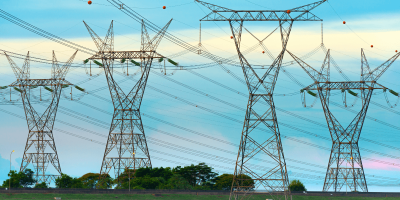
Electrification is beneficial, but Europe's heavy dependence on fossil fuels requires integrated policies that combine renewables, efficiency, and intelligent consumption management.
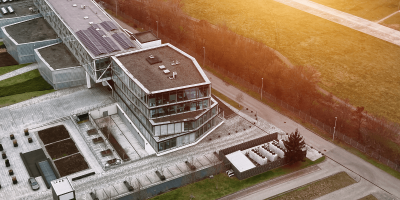
AI impacts energy, water, and land; integrating efficiency, renewables, and intelligent management is key to a sustainable digital transition.
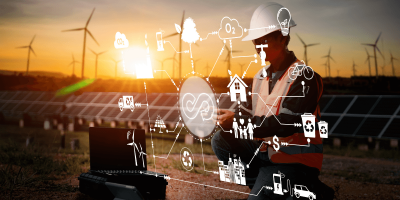
The EU roadmap to 2030 focuses on digital and artificial intelligence to optimise energy production, networks and consumption, accelerating the transition to a sustainable system.
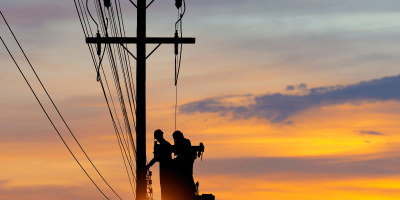
The electrification of consumption is a key lever for reducing dependence on fossil fuels, protecting families and businesses from energy shocks.
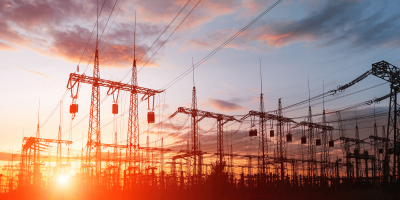
Process electrification and heat recovery are concrete levers for decarbonizing industry, reducing consumption, and increasing efficiency.

Italy's tax paradox penalizes electricity, reducing the affordability of heat pumps, renewables, and storage systems.
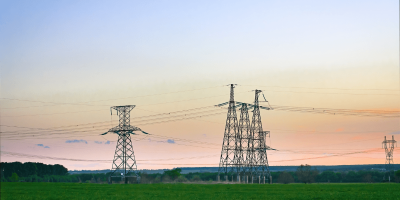
Heat pumps and electric vehicles can reduce energy costs for Italian families, but consistent tariffs and well-designed systems are needed.
