



Summer overheating of buildings: how systems and technologies improve comfort and efficiency
HVAC systems and smart technologies are essential for managing summer overheating in buildings, improving comfort, energy efficiency, and overall sustainability.
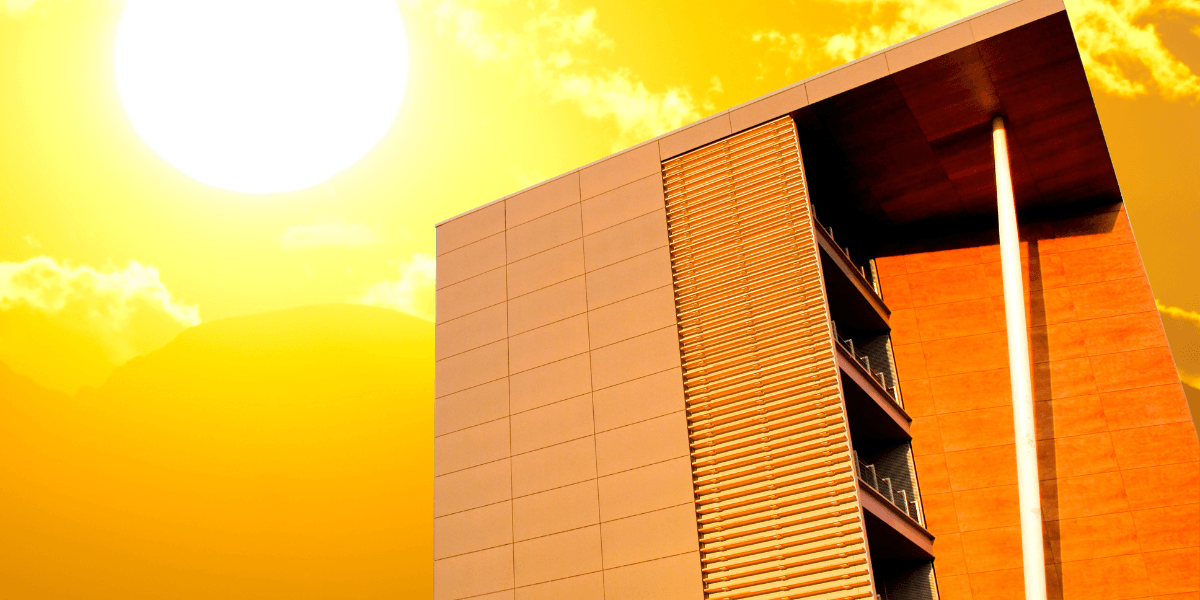
Overheating of buildings in summer is a growing problem, especially in dense cities and areas with prolonged heat waves.
In this scenario, air conditioning and ventilation systems become essential not only for ensuring comfort, but also for controlling energy consumption and reducing environmental impact. Technologies such as high-efficiency heat pumps , smart-controlled fan coils , and air handling units with energy recovery allow cooling to be modulated based on the actual needs of the rooms, adapting to variations in thermal load, occupancy, and external conditions.
Integration with intelligent management systems also allows for optimizing consumption, scheduling cooling cycles, and reducing waste, transforming systems into active tools for energy efficiency and sustainability.
Advanced technologies for managing summer heat
Beyond traditional systems, innovative technologies can enhance the effectiveness of HVAC solutions. Temperature and humidity sensors, predictive automation systems, and load management algorithms allow for real-time adjustments in air distribution and compressor and fan operation.
The use of thermal storage, low-temperature or glycol-water systems, and controlled mechanical ventilation reduces the need for continuous cooling during peak hours. By integrating these technologies with renewable sources such as rooftop photovoltaics , it is possible to power air conditioning systems with clean energy, further reducing grid consumption and increasing the building's overall sustainability.
Integrated solutions between design and systems
Maximum benefit is achieved by combining architectural design with the adoption of advanced systems and technologies . Highly thermally inert materials, solar shading, green pergolas, and natural ventilation systems help reduce internal heat load. Integrated with intelligent HVAC systems, these elements maintain comfortable internal temperatures even during the most intense heatwaves, minimizing electricity consumption and reducing operating costs.
The combination of passive and active solutions also increases the resilience of buildings, ensuring constant comfort and optimizing overall efficiency.
Benefits for comfort, energy and sustainability
An integrated approach to summer cooling technologies produces concrete effects on multiple levels:
- Stable internal comfort , regardless of external conditions;
- Reduction of energy consumption , with direct impacts on bills and carbon footprint;
- Greater resilience against extreme weather events and prolonged heat waves;
- Support for the urban energy transition , through integration with renewable sources and storage systems;
- Optimization of maintenance and system lifespan , thanks to the use of advanced monitoring and control systems.
In short, addressing summer overheating requires a combination of intelligent design, modern systems, and advanced technologies that can ensure comfort, reduce consumption, and make buildings more sustainable and resilient.
Related Focus
FAQ
During the summer, rising outdoor temperatures lead to increased cooling loads in residential, commercial, and industrial buildings. This leads to increased energy consumption, stress on HVAC systems, and the risk of discomfort for occupants and production processes. Effective load management becomes essential to maintain comfort and reduce operating costs.
Heat pumps, chillers, controlled mechanical ventilation, hybrid systems, and intelligent controls allow air conditioning to be adjusted to actual needs. Integration with photovoltaic systems and storage can reduce grid draw and peak electricity consumption, increasing seasonal efficiency and sustainability.
Through sensors, modulating control, and predictive algorithms, systems can anticipate needs, modulate power, and optimize refrigeration cycles. This reduces energy waste, ensures stable internal temperatures, and increases the lifespan and reliability of HVAC components.
