



The environmental cost of AI: energy, water, and land
AI impacts energy, water, and land; integrating efficiency, renewables, and intelligent management is key to a sustainable digital transition.
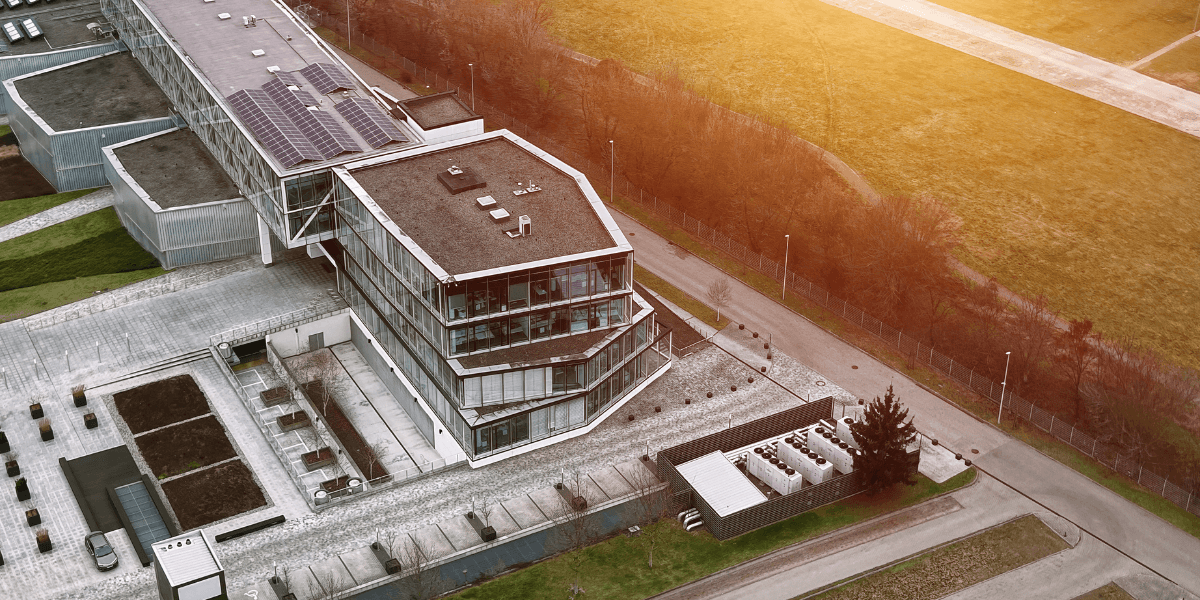
Artificial intelligence is revolutionizing industrial sectors, services and production processes, but its impact is not limited to technological innovation: each digital model requires complex physical infrastructures , such as data centers, servers and distribution networks, which consume large amounts of energy .
This consumption has a direct effect on the environment , not only in terms of carbon emissions, but also in terms of water withdrawals required for cooling systems and land use related to the construction and management of infrastructure.
The significance of these effects becomes critical when considering the exponential growth in demand for AI: training complex models or managing cloud applications involves massive energy consumption , which, in the absence of efficiency strategies, can translate into significant environmental costs, adding to the load on electrical systems and impacting national and regional energy planning.
Carbon, water, and soil: a multidimensional footprint
According to recent analyses, the environmental impact of AI must be assessed not only through CO₂ , but also by considering water and land , elements traditionally overlooked. Computing-intensive data centers consume enormous amounts of water for cooling, and the electricity generated can impact the environment with extensive infrastructure and land use.
In practice, every kilowatt-hour used by AI systems has a “full environmental cost” that involves:
- Greenhouse gas emissions , linked to the generation of energy needed to power servers and networks;
- Water consumption , essential for cooling data centers and for energy production;
- Impact on the soil , linked to infrastructure, photovoltaic or wind systems integrated to power the grid.
This multidimensional vision shows how digital sustainability cannot be limited to reducing emissions, but requires holistic planning of the entire energy and natural resources supply chain.
Governance, design and sustainable solutions
Addressing the environmental cost of AI requires adopting integrated strategies. Highly efficient data centers, renewable energy sources, energy storage systems, and intelligent consumption management tools are key levers for limiting impacts . At the same time, digital governance is crucial, with standards, certifications, and regulations guiding the design and operation of IT infrastructure and energy systems.
For HVAC and energy professionals, the challenge is to integrate digital technologies into energy efficiency processes , evaluating each intervention also in terms of water resources and land use. System design can no longer be purely technical: it must consider overall environmental impacts, network resilience, and the economic sustainability of consumption.
Towards a responsible digital transition
Ultimately, the sustainability of artificial intelligence requires a multidisciplinary approach, combining technological innovation, energy management, natural resource protection, and continuous skills development. Only in this way can we build an efficient, resilient, and environmentally friendly digital ecosystem capable of supporting the energy transition and ensuring that the benefits of AI are also environmentally sustainable.
The HVAC and energy services supply chain therefore becomes central not only to optimizing consumption, but also to ensuring that energy, water, and land are managed intelligently and sustainably, integrating digital and renewables and promoting a truly responsible energy transition model.
Related Focus



FAQ
AI requires large amounts of compute, storage, and networking, which leads to significant electricity consumption. Electricity generation has a direct impact on CO₂ emissions, water use for data center cooling, and land use for energy infrastructure. Assessing environmental impact means considering the entire lifecycle of computing systems, from power supply to thermal management and infrastructure construction.
High-density data centers consume large amounts of energy to power servers and cooling systems. Cooling can require water or complex absorption systems, increasing the water footprint. Energy efficiency, the use of renewables, and free cooling systems are essential to limit environmental impact, especially as AI intensifies computational loads.
The construction of large infrastructures, data centers, power grids, and renewable energy plants requires physical space. This impacts local ecosystems, agricultural use, and the natural environment. The analysis must consider not only energy and water consumption, but also the spatial distribution of the infrastructure required for large-scale AI operation.
Optimizing data center efficiency, increasing the use of renewable energy, implementing storage and free cooling systems, improving algorithms to reduce computational consumption, and planning infrastructure to minimize the impact on water and soil. Integrated management of energy, water resources, and space is essential to making the adoption of AI sustainable in industrial, construction, and commercial sectors.
