



Energy, digital, and AI: the European energy system roadmap to 2030
The EU roadmap to 2030 focuses on digital and artificial intelligence to optimise energy production, networks and consumption, accelerating the transition to a sustainable system.
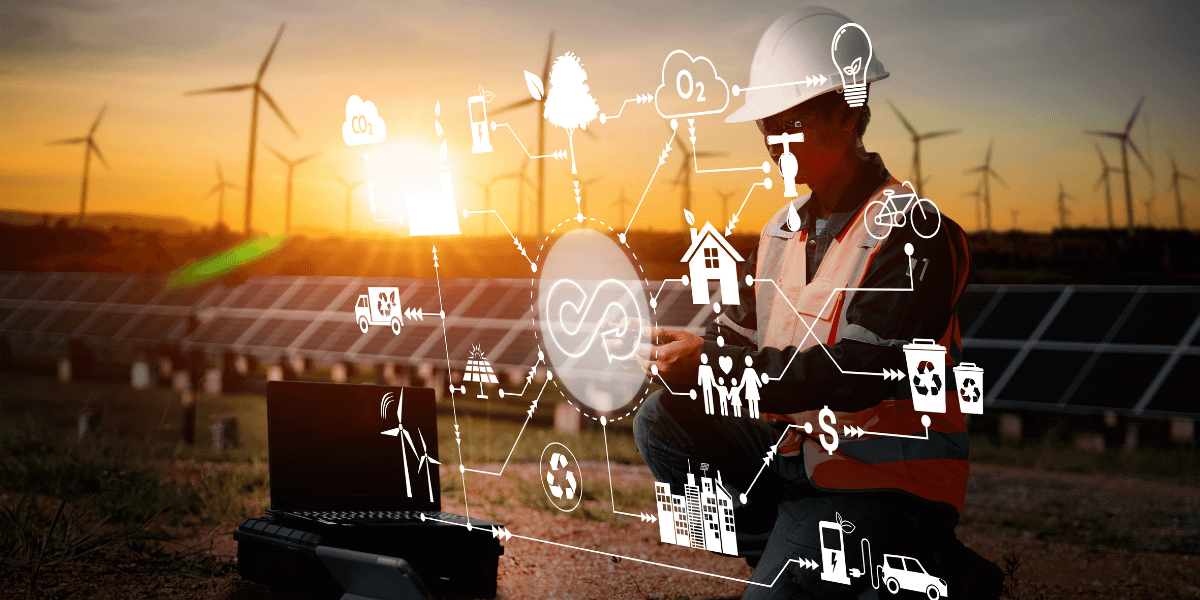
Transforming Europe's energy system toward a cleaner and more resilient model isn't just about the share of renewables or plant efficiency: digital technologies and artificial intelligence (AI) are also central. According to the roadmap for the decade 2025-2030 , advanced digital technologies are set to become enabling infrastructure for the transition, capable of optimizing energy production, distribution, and consumption on a large scale.
AI and digital technologies are not future tools, but concrete levers for improving planning, electricity grid management, the integration of variable renewables, and consumption efficiency. The ability to process large amounts of data in real time and predict operational scenarios enables a faster and more intelligent response to fluctuations in energy supply and demand.
AI and Energy Systems: Operational Benefits
Artificial intelligence applied to energy enables a series of advanced features that can bring tangible benefits across all areas of the system:
- Forecasting demand with predictive algorithms , reducing waste and improving production planning;
- Optimizing renewable generation , maximizing the use of solar and wind even in the presence of climate variability;
- Real-time network balancing , thanks to automatic control systems and learning models that anticipate imbalances;
- Intelligent energy management in both industrial and domestic consumption , with peak reduction and greater efficiency;
- Predictive maintenance of plants and infrastructures , resulting in reduced downtime and operating costs.
These benefits aren't theoretical: many utilities, grid operators, and carriers are already experimenting with AI-based solutions to increase the efficiency of existing infrastructure, improve security, and enable more efficient use of resources.
Impacts on energy efficiency and green technologies
The integration of digital and AI is particularly relevant for green technologies that are at the heart of the energy transition : photovoltaics, wind power, heat pumps, storage, smart grids, and electric mobility . These systems produce large data flows and require dynamic control to maximize performance and reliability.
For example, in storage systems and microgrids, AI can coordinate battery charging and discharging based on forecasted demand and renewable generation, reducing grid consumption and supporting self-consumption. Similarly, heat pumps can be integrated into demand management strategies that can take advantage of periods of cheaper and cleaner energy.
Smart and sustainable energy governance
To fully realize this digital vision, smart energy governance is needed, including open standards, interoperability between systems, data security, and clear rules for AI applied to energy. At the European level, the roadmap indicates that moving in this direction is not optional: it is an integral part of achieving the objectives of decarbonization , resilience, and competitiveness.
An energy system that fully integrates AI and digital technologies becomes more agile in the face of market shocks, more efficient in its use of resources, and better able to respond to consumer needs. In this context, it's not just about technology: it's about infrastructure, regulations, partnerships, and expertise that must grow together to support the transition.
The digitalization of energy is therefore a key element in creating a more sustainable, intelligent, and resilient system, capable of combining operational efficiency, integration of renewables, and greater control of consumption.
Related Focus


FAQ
Because managing consumption, distributed generation, and integrating renewables require advanced digital tools. Artificial intelligence, predictive algorithms, and monitoring systems enable optimization of generation, storage, distribution, and demand, increasing the efficiency, resilience, and flexibility of the European energy system.
Through remote control systems, smart metering, building management systems (BMS), energy management systems (EMS), and monitoring platforms, operators can intervene in real time, optimize loads, coordinate heat pumps, HVAC settings, and renewable generation, improving performance, operational continuity, and economic and energy sustainability.
AI will be crucial for predictive load management, optimization of heat pumps, chillers, ventilation, industrial refrigeration, thermal and electrical storage, integration with photovoltaic systems, and monitoring of critical parameters. Advanced algorithms can anticipate consumption, adjust cycles, and optimize seasonal efficiency, reducing waste and operating costs.
