



Electrification and heat recovery: how industry can decarbonize
Process electrification and heat recovery are concrete levers for decarbonizing industry, reducing consumption, and increasing efficiency.
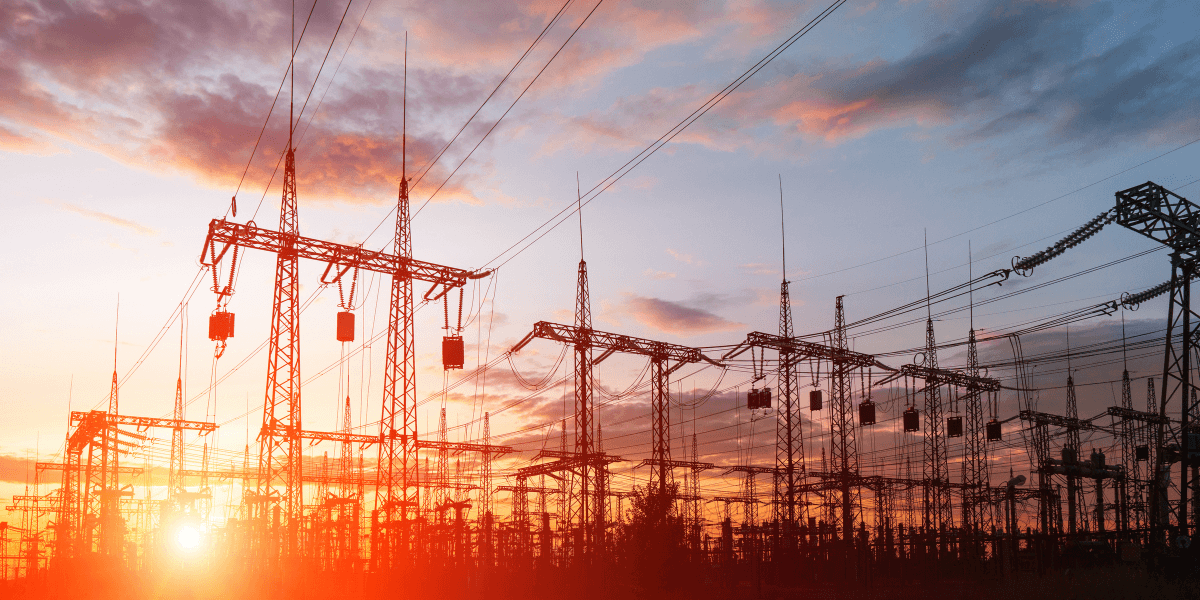
The energy transition in industry is taking on an increasingly central role in sustainability strategies , and is increasingly driven by the electrification of thermal energy consumption and the adoption of highly efficient technological solutions. In many production sectors, thermal energy demand represents a significant share of overall consumption, making it essential to rethink traditional fossil fuel-based systems.
Reducing this dependence means not only reducing CO₂ emissions but also improving business competitiveness in a context of volatile energy prices and growing regulatory pressure. In this scenario, technologies such as high-temperature heat pumps , advanced waste heat recovery systems , and fully electrified industrial processes represent concrete and readily available tools to accelerate the path to decarbonization.
High-temperature heat pumps and energy management
High-temperature industrial heat pumps are emerging as one of the most promising solutions for replacing traditional gas-fired heat generators in production processes. Thanks to their ability to transfer thermal energy with high coefficients of performance, these systems allow for extremely efficient use of electrical energy, significantly reducing both energy consumption and greenhouse gas emissions.
Their use becomes even more effective when integrated with advanced energy management systems , which allow for real-time monitoring and optimization of energy flows within the plant. This way, the industry can coordinate heat production, storage, and distribution, adapting plant operations to market conditions, the availability of renewable energy, and specific production needs, with tangible benefits in terms of efficiency and sustainability.
Heat recovery and process integration
Another pillar of industrial decarbonization is the recovery of waste heat , often generated in large quantities in high-temperature processes and traditionally dispersed into the environment. Through dedicated technologies, this heat can be captured, recovered, and reintroduced into production cycles, helping to reduce overall energy requirements.
The recovered heat can be used in different ways :
- power secondary thermal circuits;
- preheat fluids or raw materials;
- be integrated into heat pump systems to increase their efficiency.
The integration of heat recovery and electrical conversion technologies therefore enables the creation of smarter and more interconnected energy systems, capable of maximizing the use of available resources and significantly reducing the use of fossil fuels, while improving the competitiveness of energy-intensive sectors.
Towards a more sustainable industrial model
For companies, adopting these strategies represents not only a technological choice, but also a strategic lever from an economic and environmental standpoint. The transition to highly efficient electrical systems and processes that maximize internal energy allows for significant savings in operating costs, reduced exposure to fluctuations in fossil fuel prices, and improved overall company resilience.
Furthermore, greater energy efficiency translates into reduced emissions and improved environmental performance , factors that are increasingly important for access to financing and regulatory compliance. The combination of electrification, heat recovery, and advanced energy management systems is therefore one of the key directions for guiding Italian and European industry toward a more sustainable, innovative, and competitive production model in the long term.
Related Focus



FAQ
Replacing fossil fuels with efficient electricity and harnessing waste heat from production processes directly reduces CO₂ emissions. Electrification enables the powering of heat pumps, high-efficiency electric motors, and digital control systems, while heat recovery increases overall energy efficiency, reducing consumption and operating costs.
Sectors with medium- to high-temperature processes or continuous cycles benefit the most: drying, kilns, ovens, industrial refrigeration, heat treatments, industrial heat pumps, and chemical or food processing. The recovered heat can be reused for preheating, fluid heating, steam generation, or integration with district heating networks, increasing self-sufficiency and reducing primary energy demand.
Temperatures, flow rates, fluid types, extraction point locations, process compatibility, and system regulation must be assessed. The design must integrate heat pumps, exchangers, thermal storage systems, and monitoring systems to ensure operational continuity, seasonal efficiency, and adaptability to variable production process loads.
