



Energy retrofitting and resilient buildings: an integrated strategy for climate and comfort
Energy retrofitting of buildings, integrated with bioclimatic strategies and high-efficiency systems, is a key lever for resilient, sustainable, and comfortable construction in all seasons.
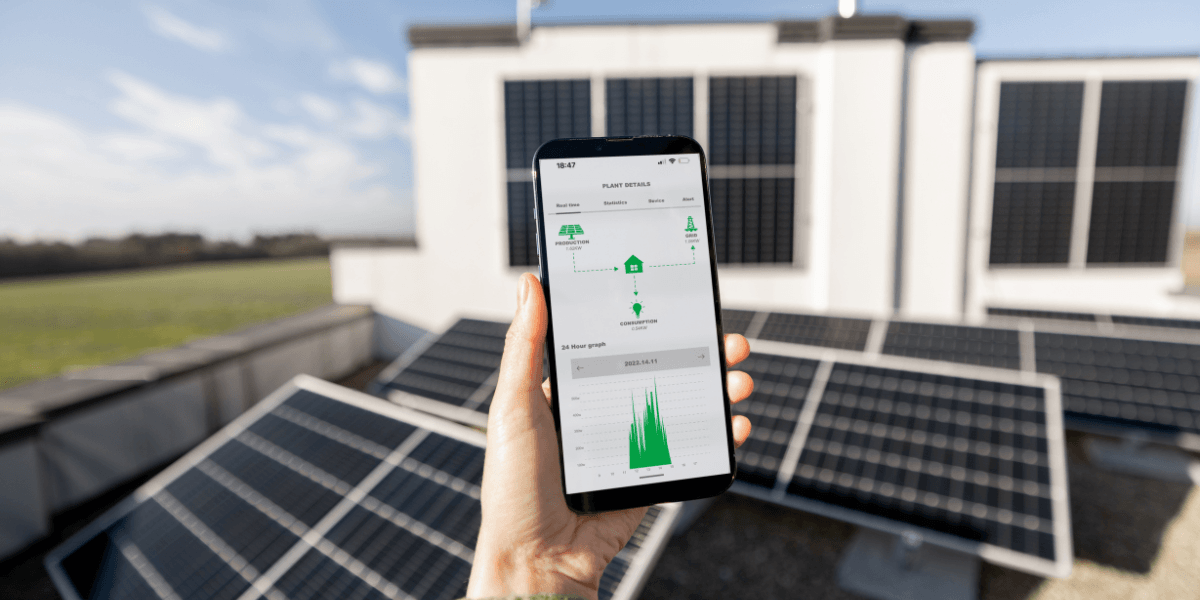
Energy retrofitting of buildings is now an essential element in the transition to a more sustainable and resilient built system. It's not simply a matter of improving thermal efficiency or installing new technologies: retrofitting means rethinking the building in its entirety , considering aspects such as the envelope, systems, solar orientation, natural ventilation, and response to extreme weather conditions.
In a climate-changing world, where summer heatwaves and harsh winters are becoming increasingly frequent, an efficient building must ensure thermal comfort, low energy consumption, and low operating costs throughout the year . Redevelopment, therefore, is not just a matter of energy performance, but of quality of life and urban resilience.
Integrated approach: building envelope, systems and bioclimatic strategies
An effective redevelopment project starts from an integrated vision : the building envelope, the systems and the bioclimatic strategies must be conceived as a harmonious system.
Improving wall insulation, increasing thermal inertia, shielding glass surfaces, and promoting natural ventilation are all measures that reduce a building's energy demand. The use of high-efficiency systems —such as reversible heat pumps, controlled mechanical ventilation systems, and digital control devices —can then meet residual demand with reduced energy costs and a lower environmental impact.
At the same time, technologies such as thermal storage and integration with renewable sources (for example, photovoltaics to power air conditioning) transform the renovated building into an active player in urban energy management.
Climate Resilience: Responding to New Environmental Challenges
A building's resilience is its ability to adapt and withstand external stresses, which today include increasingly extreme weather events. An energy-efficient building is more resistant to summer heat waves and temperature fluctuations, limits the intensive use of air conditioning systems, and reduces stress on energy networks during peak periods.
Furthermore, the resilient approach also considers aspects such as indoor air quality, humidity management, water efficiency, and structural safety, integrating solutions that improve occupant health and well-being alongside energy performance. In this sense, retrofitting becomes a lever for adapting the building stock to the climate challenges of the 21st century.
Socio-economic benefits and long-term sustainability
The benefits of a requalified and resilient building are evident on several levels:
- At the household level , this translates into lower bills and greater comfort; for the local community, this means lower energy demand, lower greenhouse gas emissions, and a reduction in the vulnerability of energy networks.
- At the system level , widespread redevelopment projects help achieve national and European climate goals, stimulate technological innovation, and generate new employment opportunities in the sectors of design, sustainable construction, energy management, and plant digitalization.
Energy requalification, in fact, is not just a technical investment, but a strategy for urban regeneration and sustainable growth, capable of combining efficiency, resilience, and quality of life.
Related Focus

FAQ
Integrating energy retrofitting with resilient building strategies reduces energy consumption, CO₂ emissions, and the climate vulnerability of buildings. In Italy, this combination improves thermal comfort, indoor air quality, and residential safety, ensuring efficient and sustainable buildings.
Thermal insulation, window and door replacement, HVAC system improvements, high-efficiency heat pumps, and the integration of renewable energy and storage systems can reduce energy needs and improve seasonal comfort. System optimization and modulating control also allow air conditioning to adapt to changing weather conditions.
The combination of energy efficiency, heat pumps, storage systems, and high-performance materials reduces consumption and environmental impact, increases resistance to extreme weather events, and improves interior comfort. Integration with digital monitoring systems allows for optimized performance and predictive maintenance, increasing resilience and safety.
