



Electrification: a convenient option, but Europe remains tied to fossil fuels
Electrification is beneficial, but Europe's heavy dependence on fossil fuels requires integrated policies that combine renewables, efficiency, and intelligent consumption management.
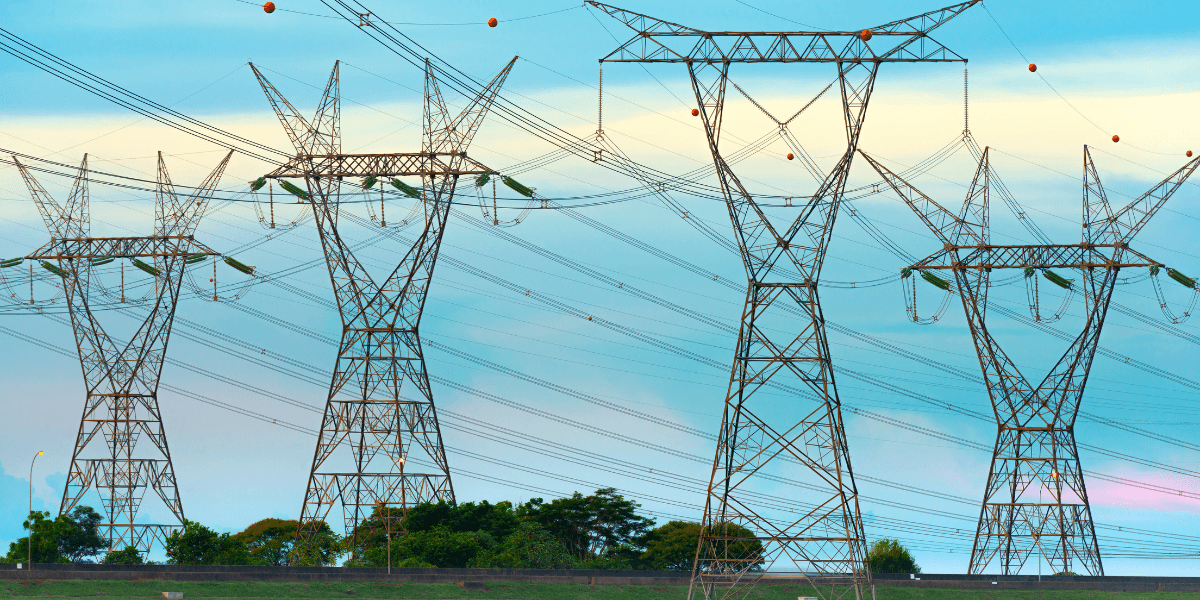
The electrification of energy consumption remains a key pillar of the European energy transition. Switching from fossil fuels to electricity allows for tangible savings on operating costs and improved system efficiency , especially when electricity comes from renewable sources. The use of heat pumps, storage systems, high-efficiency electric motors, and digital technologies reduces energy costs and overall emissions, protecting families and businesses from the volatility of fossil fuel prices.
In addition to cost savings, electrification ensures greater flexibility in managing consumption: with intelligent systems, it is possible to optimize loads, reduce peak demand, and increase grid resilience, reducing dependence on external sources and improving the sustainability of energy infrastructure.
Europe's dependence on fossil fuels
Despite the benefits of electrification, Europe remains heavily dependent on fossil fuels , with over 60-70% of its energy needs coming from natural gas, oil, and coal. This structural constraint highlights a significant criticality: electrification alone is insufficient if electricity generation does not increase in the share of renewables and if storage systems and intelligent consumption management are not adopted.
Sectors such as heavy industry, traditional residential heating, and long-distance mobility demonstrate how current infrastructure remains anchored to fossil fuels, slowing the full transition to a carbon-neutral system. Without integrated policies, targeted incentives, and smart infrastructure, the positive effects of electrification risk being limited.
Strategies to accelerate the transition
To overcome these critical issues and maximize the benefits of electrification, coordinated and multidimensional approaches are needed:
- Increase the share of renewables in the national and EU electricity mix , reducing carbon intensity;
- Encourage the replacement of fossil fuels with heat pumps, electric vehicles, industrial electric motors and electric heating systems;
- Spread storage systems and intelligent consumption management , to maximize self-consumption and stabilize the grid;
- Integrate electrification and advanced HVAC solutions , optimizing systems, digital systems and monitoring tools;
- Promote training and refresher courses for professionals , so that designers and installers are able to offer efficient and sustainable solutions.
These combined actions can transform electrification into a structural lever for reducing costs, emissions, and energy vulnerability, providing benefits at both the household and industrial levels.
Impacts on families, businesses and the supply chain
Properly integrated electrification offers concrete advantages :
- Families : more predictable bills, greater comfort and reduced exposure to fuel price volatility;
- Businesses : reduced operating costs, increased production efficiency and the possibility of adopting sustainable electrical processes;
- HVAC/R and energy supply chain : new opportunities for the design, installation, and maintenance of advanced electrical systems and renewable energy integration systems.
Furthermore, electrification stimulates the emergence of specialized skills, smart infrastructure, and local energy community models, fostering territorial resilience and sustainable development.
Towards a resilient European energy system
In short, electrifying consumption represents a viable option, both economically and climate-wise. However, to fully exploit its potential, it is necessary to integrate renewable sources, storage systems, and intelligent management, complementing energy policies with targeted regulatory tools and incentives.
Only in this way can Europe reduce its dependence on fossil fuels and build an efficient, resilient, and sustainable energy system capable of addressing the challenges of the energy transition and ensuring concrete benefits for families, businesses, and the supply chain.
Related Focus

FAQ
Electrification allows fossil fuels to be replaced with electricity, preferably from renewable sources, reducing CO₂ emissions and long-term energy costs. Heat pumps, electric HVAC systems, storage, and photovoltaic integration increase self-consumption, improve seasonal efficiency, and make buildings and industrial processes more resilient to fossil fuel price shocks.
While electrification is cost-effective and sustainable, legacy infrastructure, dependence on gas and oil, high initial costs, regulatory constraints, and limited deployment of efficient power plants are driving the heavy use of fossil fuels. The European market is showing progress in renewables and grids, but many strategic sectors continue to rely on natural gas, fuel oil, and coal for heating, industrial production, and power generation.
It is necessary to evaluate the building envelope, heating requirements, available electrical power, compatibility with existing terminals, system regulation, and peak load management. In existing buildings, retrofitting radiators, heat pumps, chillers, ventilation, and storage systems requires integrated design to ensure comfort, operational continuity, and maximize the efficiency of electrical systems.
